Latest update August 1st, 2026 12:35 AM



Latest News
The danger we can see but ignore
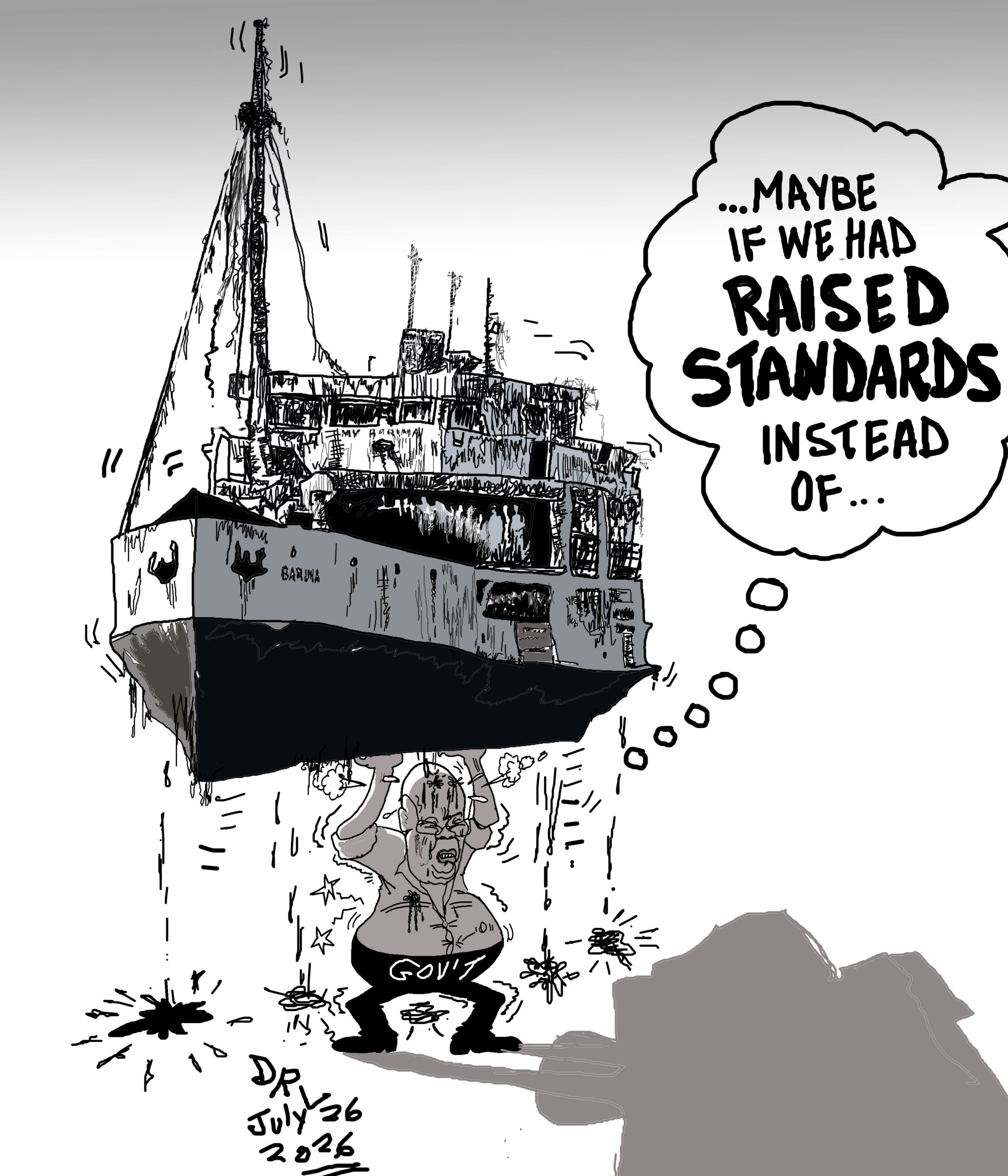
(Kaieteur News) – As our nation remains gripped by the heartbreaking tragedy surrounding the capsizing of the M.V. Barima, our collective attention is, understandably and justifiably, focused on the rescue efforts, the search for those still missing, the care of survivors, and the grief of families who have suffered unimaginable loss. At moments such as these, our humanity demands that we stand together, offer support, and ensure that every possible effort is made to save lives and provide comfort to those affected.
But while we are rightly consumed by this national tragedy, we must not lose sight of the other life-threatening dangers that exist around us—dangers that we see every day, dangers about which warnings have been issued, and dangers that, in many cases, remain unattended until tragedy strikes.
A few weeks ago, an old building on Cemetery Road collapsed. Thankfully, the collapse did not result in the loss of life. But the incident should not be dismissed as an isolated occurrence or simply attributed to the passage of time.
For years, that building appeared to be a disaster waiting to happen. It seemed to be held up by some unseen force of gravity since the columns appeared rotten and, in some instances, absent. The building’s deteriorating condition was visible to anyone passing by, and concerns about its safety had been highlighted publicly in the media.
The question that must therefore be asked is: how long must a dangerous structure remain standing before action is taken?
The responsibility of authorities is not merely to respond after tragedy occurs. What is needed is anticipation, prevention, and decisive action. Where there is clear evidence that a building poses a threat to life and limb, the relevant authorities must act within the law to condemn such a structure, secure the area, and pursue the necessary processes for demolition or rehabilitation.
The tragedy is that many of these dangerous buildings do not suddenly become unsafe overnight. Their deterioration is gradual. Cracks appear. Walls weaken. Roofs decay. Wooden structures rot. Yet, despite visible warning signs, action is often delayed until the inevitable happens.
One of the recurring challenges in addressing derelict properties is that many become trapped in complicated circumstances, including inheritance disputes, uncertainty over ownership, abandoned estates, and disagreements between property owners and municipal authorities. These issues are real and cannot simply be ignored.
The law must be respected, and property rights must be protected. However, legal complexity cannot become a permanent excuse for inaction when public safety is at risk.
The situation involving a deteriorating building on Norton Street is a clear example of how such disputes can delay intervention even when neighbouring residents have expressed concerns about potential danger. When citizens raise alarms about structures that appear unsafe, those concerns should trigger urgent assessment and action—not a cycle of delay until the building fails.
A dangerous building does not have to collapse to become a threat. Derelict structures present multiple hazards long before they fall. They can shed falling masonry onto pedestrians. They can have weakened walls that suddenly give way. They can contain unsecured openings through which children or unsuspecting persons can fall. They can become fire hazards, shelters for illegal activity, and breeding grounds for vermin.
Across Guyana, particularly in urban areas, there are buildings that fit this description. Some are abandoned commercial properties. Others are old residential structures that have been neglected for years. Some are located in areas where hundreds of people pass daily, unaware of the danger above them or beside them.
We cannot continue with a reactive approach to public safety, where attention is only paid after tragedy has occurred. The cost of prevention is always lower than the cost of mourning. A life lost cannot be restored. A family’s grief cannot be undone. An apology after a preventable tragedy cannot replace the action that should have been taken beforehand.
The lesson from every tragedy is that warnings matter. Signs of danger matter. Public concerns matter. The responsibility of institutions is not only to respond to emergencies but to prevent them wherever possible.
The capsizing of the M.V. Barima reminds us painfully of how fragile life can be and how quickly circumstances can change. But it should also remind us that protecting life requires vigilance in every sphere of national life.
Let us not wait until another building collapses, until someone is injured, or until families are mourning a preventable loss before we act. The time has come for a comprehensive assessment of dangerous and derelict structures across Guyana, followed by decisive action through the lawful processes available.
(The views expressed in this article are those of the author and do not necessarily reflect the opinions of this newspaper)
Share this:

Discover more from Kaieteur News
Subscribe to get the latest posts sent to your email.
Similar Articles
One thought on “The danger we can see but ignore”
Leave a Reply

Blunt of the day

Sports

Features/Columnists

Sir. Ronald Sanders

The GHK Lall Column

Weekend Cartoon


There are more dangerous situations with the creeps operating in every ‘ nook & cranny’!!!