Latest update July 31st, 2026 12:35 AM



Latest News
- Bloomberg reports: Oil curse hanging over Guyana’s head
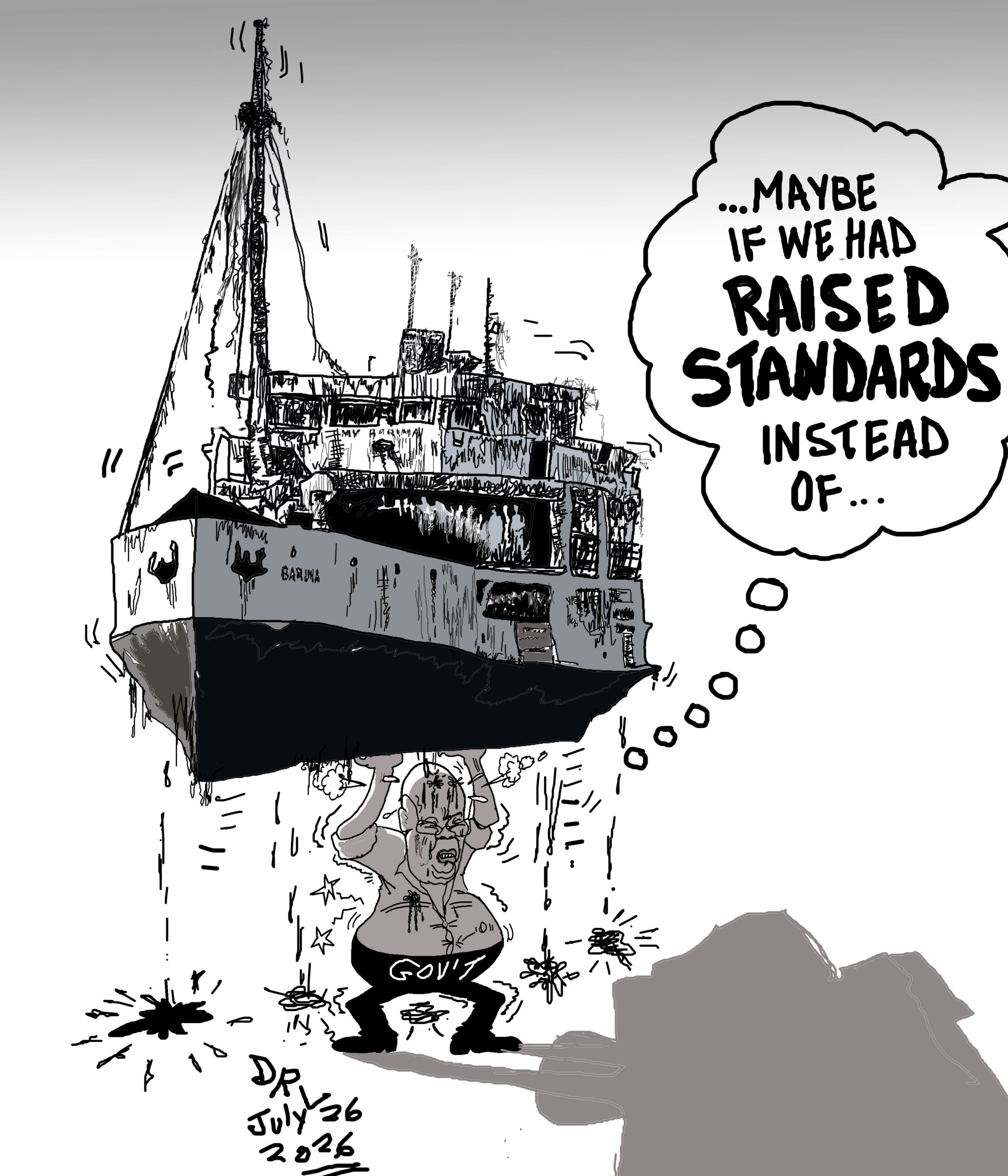
- ‘You can’t have both’ …Todd challenges parallel COI, murder prosecution of MV Barima crew
- Pres. Ali dodges media
- ‘Seaworthiness of MV Barima was MARAD’s responsibility, not charged crew’s’ – Dr. Todd
- ExxonMobil to conclude another exploration well next month
CONSUMER CONCERNS HEAVY MEDICAL COSTS CAN BE AVOIDED
By PAT DIAL
Today in Guyana, the greater part of the population trusts in and would use only Western Medicine which is practised and offered at all the hospitals and health centres. This contrasts with the mode of treating the sick in the 19th century when there were few Western-trained doctors or hospital facilities in the country.
Today, if anyone suffers from a cold or influenza or other common ailments like measles, indigestion or diarrhoea, that person would immediately consult a doctor. Many people would go to private hospitals where the consultation fees and other medical costs are very expensive but they incur such expense, which they could ill afford because they are conditioned to think that if they did not seek such help, it could result in serious repercussions.
This is especially true of children and babies, where at the least discomfiture they suffer, parents are usually overcome with fear that worse is to come and they consult doctors. This contrasts with the situation in the 19th century where there was less fear and more knowledge of common ailments and most families used a variety of home-remedies quite effectively.
Until after World War II, the vast majority of Guyanese did not depend on doctors or hospitals when they suffered common or minor disorders. If they suffered from ailments, which required surgery such as appendicitis or broken or fractured bones, they would consult a doctor or go to a hospital. They treated most common ailments at home.
Sometimes, they would consult a trained nurse who would often do the procedures, which only doctors do today (There were many nurses practising privately, many of them returnees from America). There were also a number of chemists and druggists who practised privately and who owned drug stores.
Most important, all mothers knew how to treat their babies and children and such knowledge was propagated by the nurses, the druggists but more especially by housewives among themselves. Further, books on home nursing and first aid were widely available and most families would have one or two of these.
In every home, no matter how humble it may be, there was always an area, which was converted into a sick room which was kept spotlessly clean and smelt of a disinfectant usually, Jays Fluid, and of Bay Rum or Limacol. Bay Rum was the Barbadian equivalent of Limacol.
The medications kept at home were the usual basic ones used at the hospitals. The home nursing tradition throughout the West Indies was influenced by the teachings of Florence Nightingale.
During World War I, Sulphur drugs were discovered and put into universal use. Patients began to treat themselves and the sick room culture gradually faded away. Just at this time, the large number of OTC medications became available and this also led patients to treat themselves.
Just at this time, also, doctors began to prescribe the patent drugs sold by drug stores (OTC- over the counter drugs) and moved away from prescriptions, which had to be compounded by a druggist.
During World War II, Penicillin and later on a number of other antibiotics were discovered. Antibiotics were one of the greatest discoveries of Western Medicine and were used for most ailments. Though antibiotics were strictly prescription drugs, many persons acquired them without prescription resulting in many persons developing immunities from misuse.
At all Government-controlled institutions hospital treatment, consultation and provision of drugs used for the more common ailments are free. This system of Socialist Medicine is a boon to the population. Unfortunately, one has to wait for fairly long periods for consultations and treatments at the Governmental health institutions; these institutions also do not have equipment to do certain tests or enough equipment for certain procedures such as dialysis.
These deficiencies of the public health system have led to the growth of a number of private hospitals. These Private Hospitals provide a generally good service but their charges are extremely high since profit-making seems to be their main focus.
The majority of patients who use the private hospitals do so because they had been unable to use the public hospitals for a number of reasons since the charges with which they are faced demand very great financial sacrifice and could impoverish many people.
Consumers and other members of the public could avoid being burdened with heavy medical costs by: firstly, keeping one’s self in good health by eating properly, exercising, and avoiding stress by realizing that both future and past do not exist and only concentrating on the present.
There are a number of books on good health easily available as well as many sites on the internet. Secondly, use well-tried home remedies, knowledge of which could be easily obtained from numerous publications on home treatments and first aid and from the internet.
Thirdly, use the public hospitals whenever possible since they are free. The Georgetown Public Hospital is being computerized and greater orderliness is being instituted ensuring that there is quicker access to doctors and treatment.
Share this:

Discover more from Kaieteur News
Subscribe to get the latest posts sent to your email.
Similar Articles

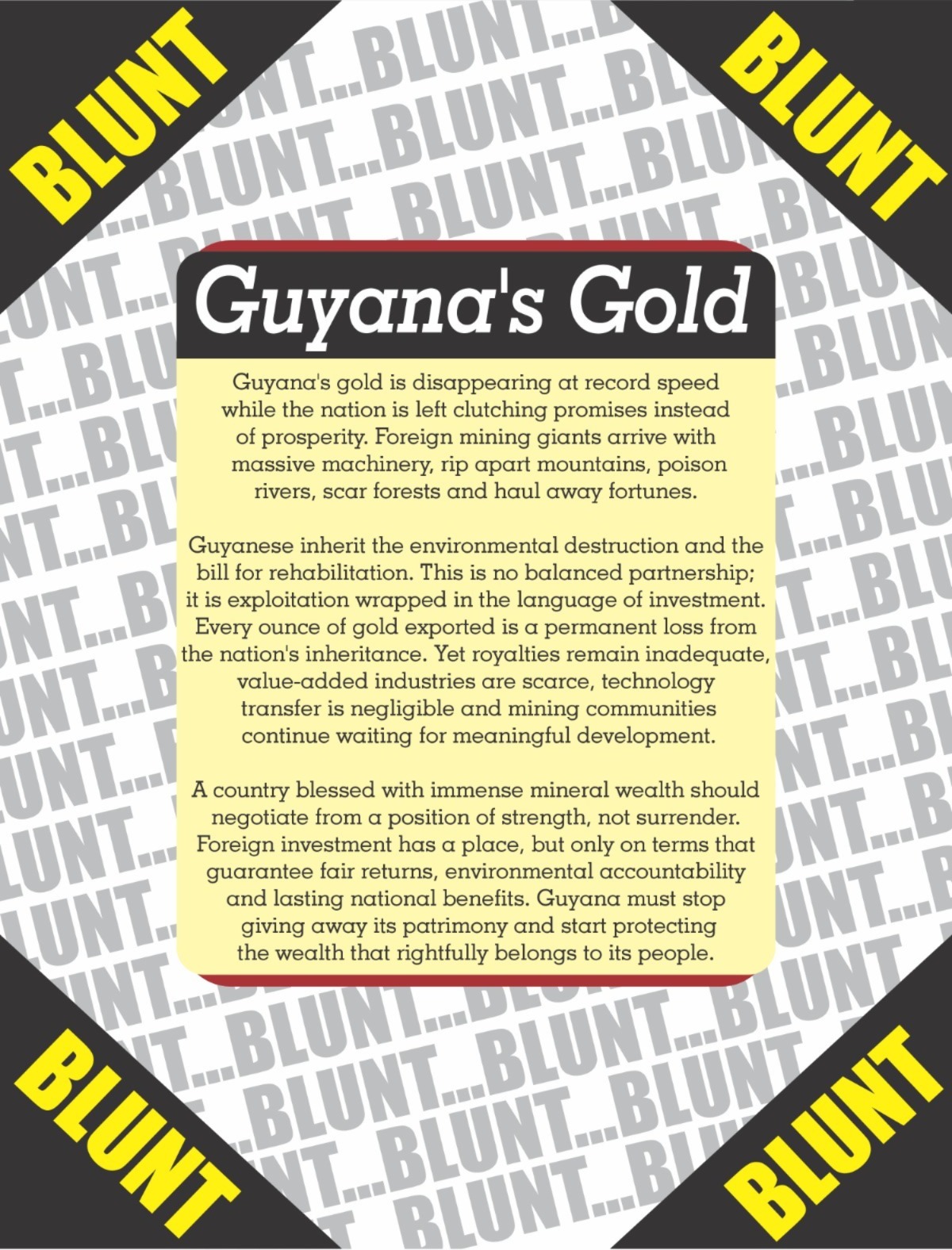
Blunt of the day
Sports

Features/Columnists

Sir. Ronald Sanders

The GHK Lall Column

Weekend Cartoon