Latest update June 2nd, 2026 12:36 AM


Latest News
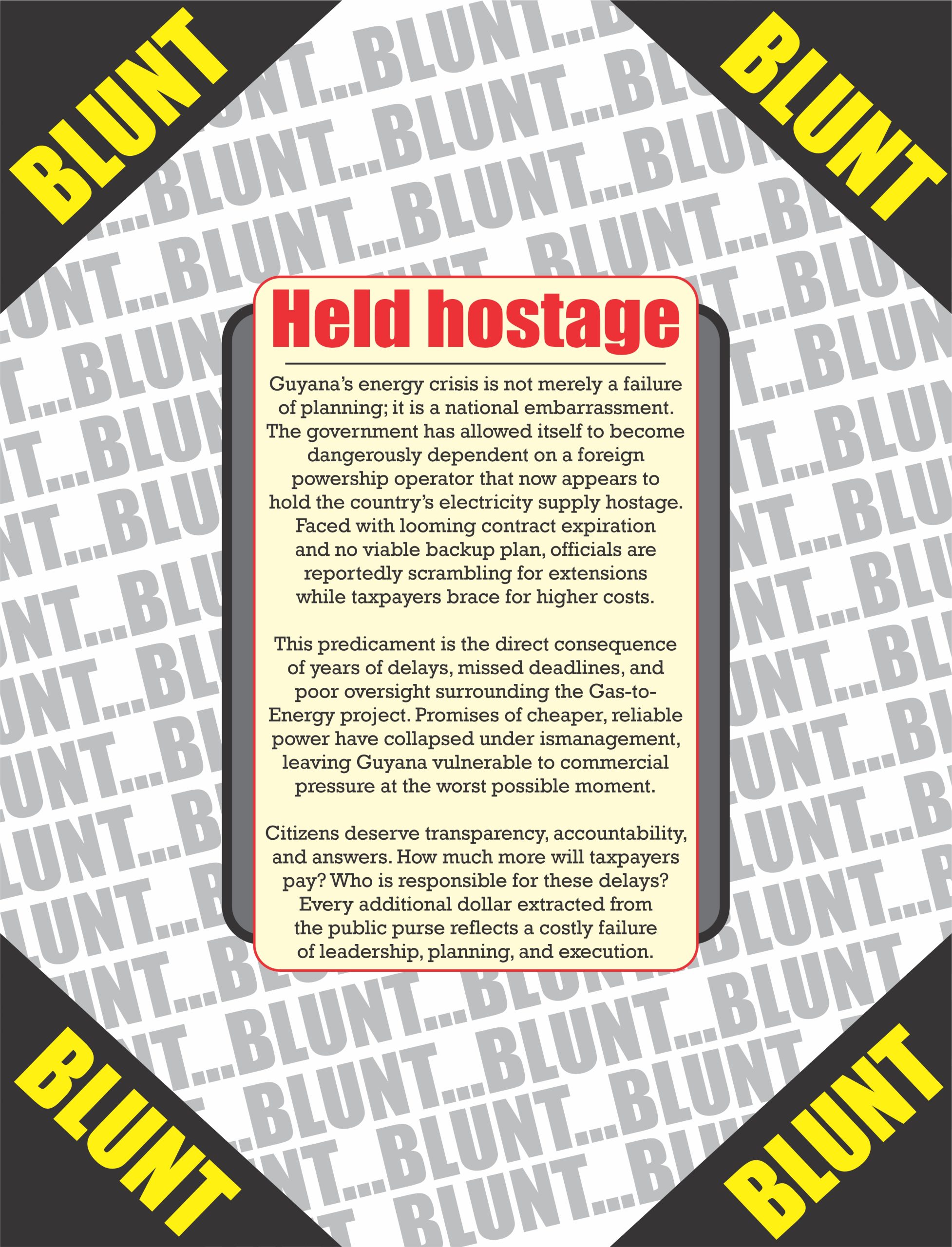
- ‘Pay $3.4M more daily or face blackouts’ – Powership company demands
- France eyes deepwater port in Guyana to expand European trade
- Eyebrows raised over $24M water ambulance price tag
- Iran warns Israeli attacks in Lebanon and Gaza threaten U.S. ceasefire talks
- France requests UN Security Council emergency meeting on Lebanon after Israel captures Beaufort Castle
Renewable water availability per person plunges 7 percent in a decade as global scarcity deepens, FAO data shows
Renewable water availability per person has continued to decline by a further 7 per cent over the past decade, while pressure on already scarce freshwater resources is increasing in several regions, according to the 2025 AQUASTAT Water Data Snapshot released by the Food and Agriculture Organisation of the United Nations (FAO).
The update provides a global overview of how water availability and use are evolving, presenting new data on irrigation, efficiency, and water stress reported through the 2024 AQUASTAT cycle. Renewable water refers to freshwater that is naturally replenished through the hydrologic cycle, which includes evaporation, condensation, and precipitation.
The latest figures show that some regions – particularly Northern Africa and Western Asia – continue to operate under extremely limited freshwater endowments. Countries such as Kuwait and Qatar rank among the lowest renewable water resources per person worldwide. Freshwater withdrawals have also increased in several regions in recent years, adding pressure to already stressed river basins and aquifers. Agriculture remains the largest water-using sector globally, accounting for 72 percent of withdrawals in many regions.
A closer look at regional trends and changes in water use
The Snapshot uses clear, accessible examples to illustrate how water availability and demand are shifting across regions. In Northern Africa, freshwater availability per person remains among the lowest globally, while withdrawals have increased by 16 percent over the past 10 years. In Western Asia – which in the Snapshot includes most Middle Eastern countries – rapid demographic growth and agricultural demand are contributing to increased pressure on limited supplies. By contrast, some regions with comparatively higher water availability still face rising competition among sectors, particularly where urbanisation and irrigated agriculture are driving demand.
The data also highlights wide disparities in irrigation and water-use efficiency. In parts of Latin America and Asia, irrigation supports a large share of crop production, whereas in Sub-Saharan Africa irrigated cropland represents only a small fraction of total cultivated land, reflecting persistent gaps in access to water infrastructure. The Snapshot reports improvements in water-use efficiency in several regions, while levels of water stress remain high or very high in countries where withdrawals regularly exceed renewable supplies.
The report presents updated values for the two indicators monitored under Sustainable Development Goal (SDG) 6.4, tracking water-use efficiency and water stress. While efficiency has improved overall, high stress levels underscore the need for continued efforts to manage water sustainably and build resilience to growing demands.
Share this:

Discover more from Kaieteur News
Subscribe to get the latest posts sent to your email.
Similar Articles

THE BLUNT OF THE DAY
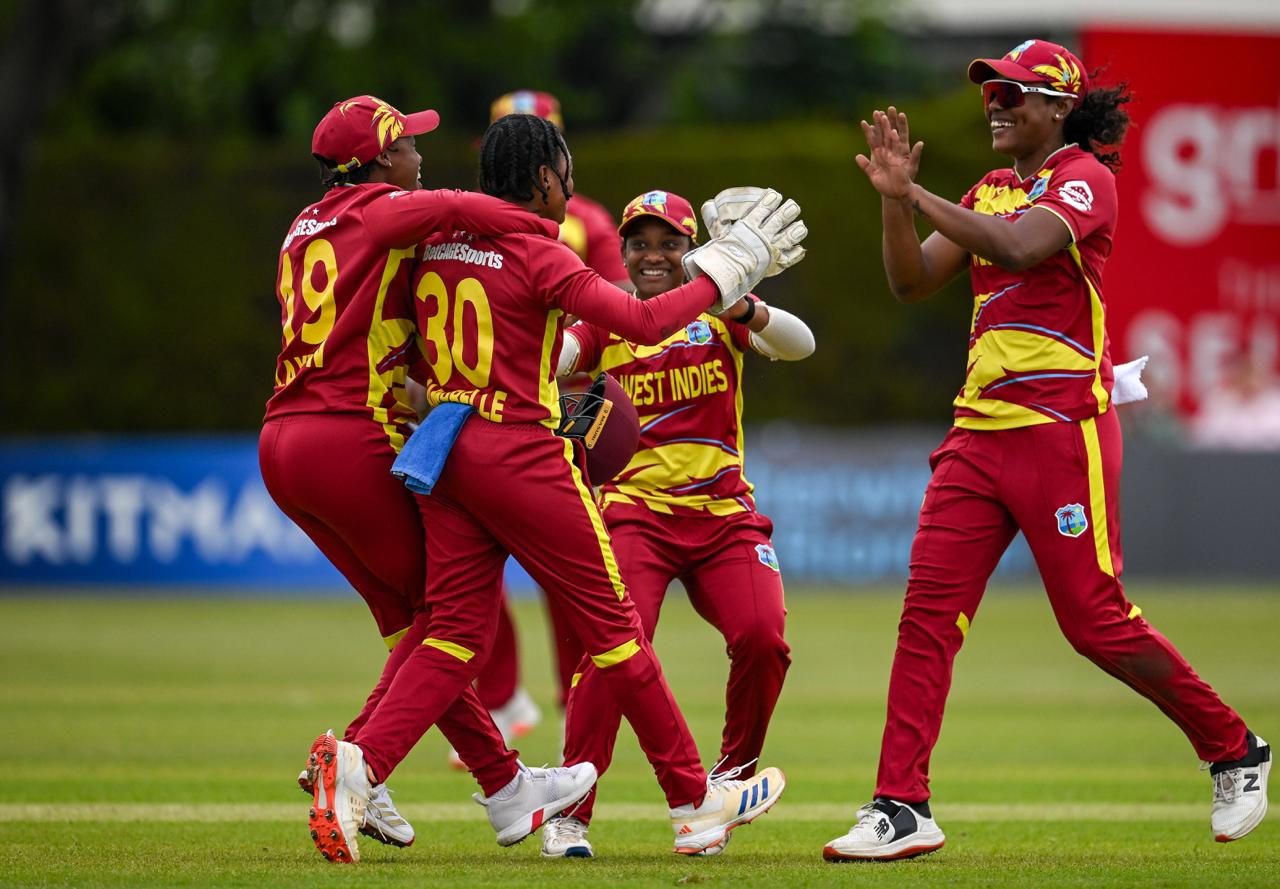
Sports
Features/Columnists

Sir. Ronald Sanders

The GHK Lall Column

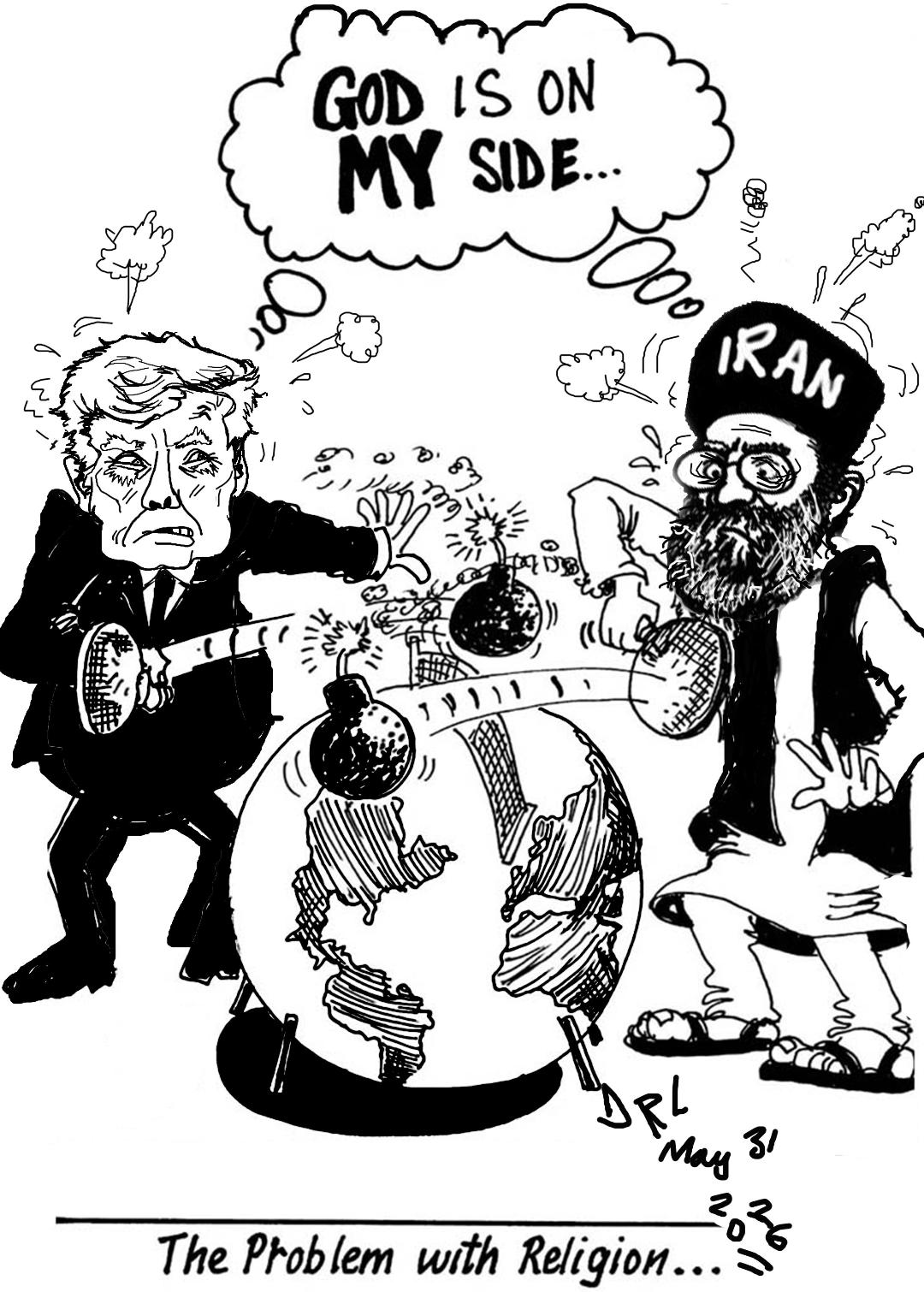
Weekend Cartoon