Latest update October 5th, 2026 10:20 AM


Latest News
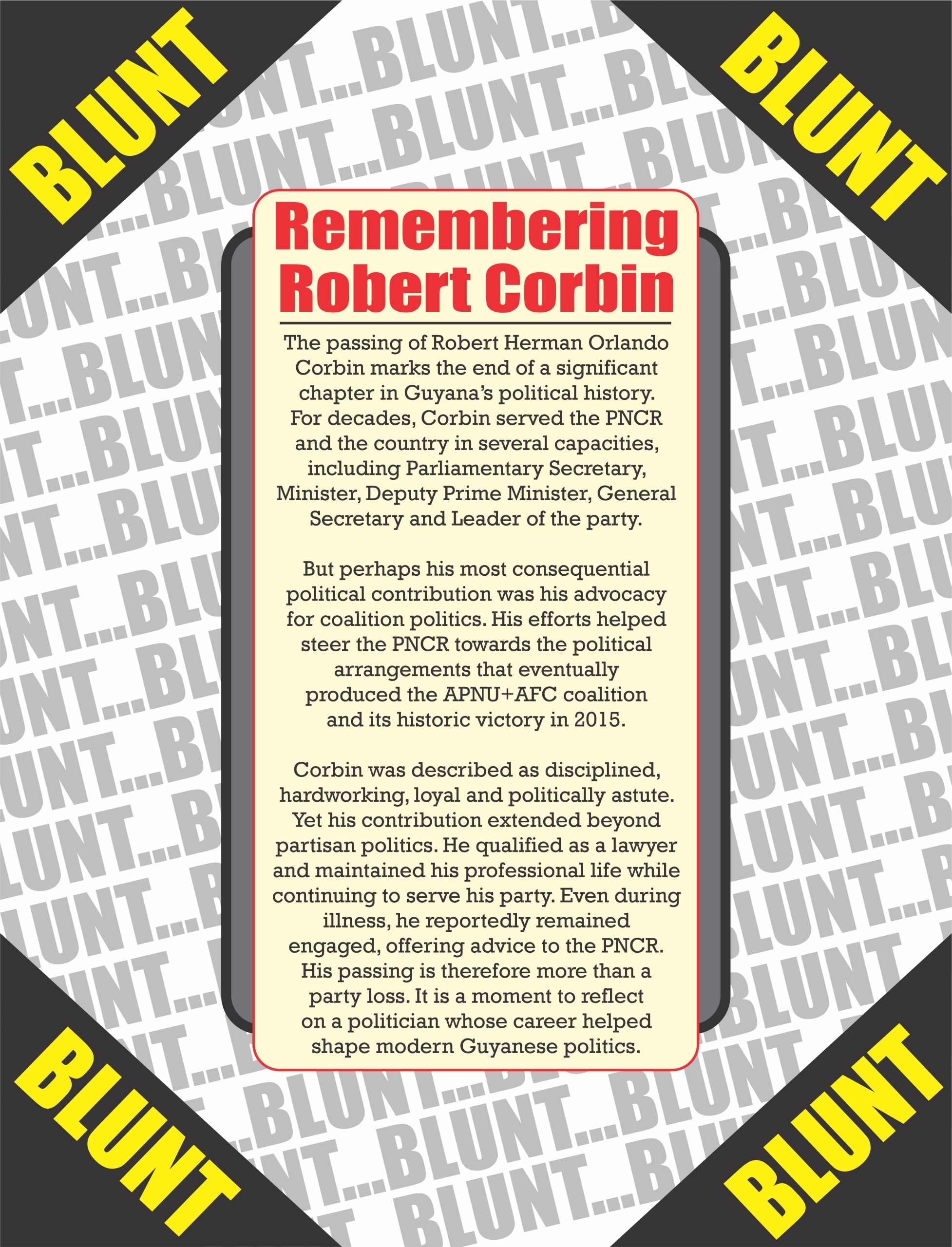
- Former PNCR, Opposition Leader Robert Corbin dies at 78
- There’s no slowing down now’ – Canadian firm CEO says
- Brazil election goes to run-off as right-wing Flávio Bolsonaro wins first round
- Mother of one fears for her life after fifth alleged arson attack by ex-partner
- Corentyne motorcyclist killed in two-car collision with GDF, GPF ranks
Targeted support
(Kaieteur News) – The International Monetary Fund (IMF) had good and bad news. Good news for regional oil producing nations, such as Argentina, Brazil, and Guyana, among others. They are the prime beneficiaries of higher oil prices. Though prices have slipped downwards, since the sketchy reopening of the Strait of Hormuz, and easing of tensions, two of the more watched and recognized energy gauges, Brent and West Texas Intermediate, are still approximately 45% higher this year.
This is bad news for many countries, including oil producing ones. Higher oil prices have a twofold effect: more has to be paid for energy related byproducts, such as gasoline and cooking gas and, all-important food prices go one way, i.e., upwards. In circumstances of war, tensions, supply bottlenecks, higher prices, and price shocks to many basic items of life, the IMF is recommending that governments consider offering relief programs that prioritize their most vulnerable and dependent citizens.
Targeted relief is the term used, and we at this paper think that it has merits. The national budget has provided increases to pensioners, parents with school age children, and subsidies for transportation and healthcare. The subsidies are small, admittedly, but they mean something to those to whom every extra dollar is a boon. A cash grant for $100,000 is in process, and should provide some relief to financially challenged Guyanese, if only to clear some of their bills’ backlog. But is it the best use of money to give a cash grant to all Guyanese? We do not think so, and some examples should assist in providing clarity, while disclosing the basis for our position.
Should the president, government ministers, opposition members in parliament, and all parliamentarians be among cash grant recipients? We do not think so, not when their total compensation packages, including allowances, are considered. Should senior public servants and those above a certain pay grade be included in cash grant programs? We stand unchanged in our position that they should not, which also goes for business owners, contractors, and those whose annual earnings exceed clearly identified thresholds. A needs assessment is a helpful tool in figuring out who should be part of targeted relief and who should be excluded. By definition, a targeted relief program indicates that some will not qualify for collection.
This would follow closely with the IMF’s recommendation of developing policies and programs that give priority to vulnerable families and businesses. Small businesses and new businesses that are struggling to get a toehold in a highly competitive environment likely would need some help, given the pressures of higher energy prices. Vulnerable families should include, as a matter of commonsense, single parent households, especially where the mother is the only parent. Families with several dependent children, families with elderly parents to be cared for, families with a single earner, and families that are saddled with the overhead of a disabled member. These are among the first groups that should be beneficiaries of a target relief program. There are several factors that spring from higher energy prices that are simply undeniable, because they are so prevalent. One is transportation cost; another is the cost of medicine and clothing. Most of all, there is one that cannot be avoided for too long, and that’s food prices. Cutting corners, tightening belts, making other sacrifices all help in some way, but succeed in the short run only. For how long can a family stay hungry, lacking in even basic food supplies on a consistent basis? The tragedy is that we have to raise an issue such as this in a country that produces 900,000 barrels of oil daily, and one that the world drools over, builds it ambitions on, even boasts about.
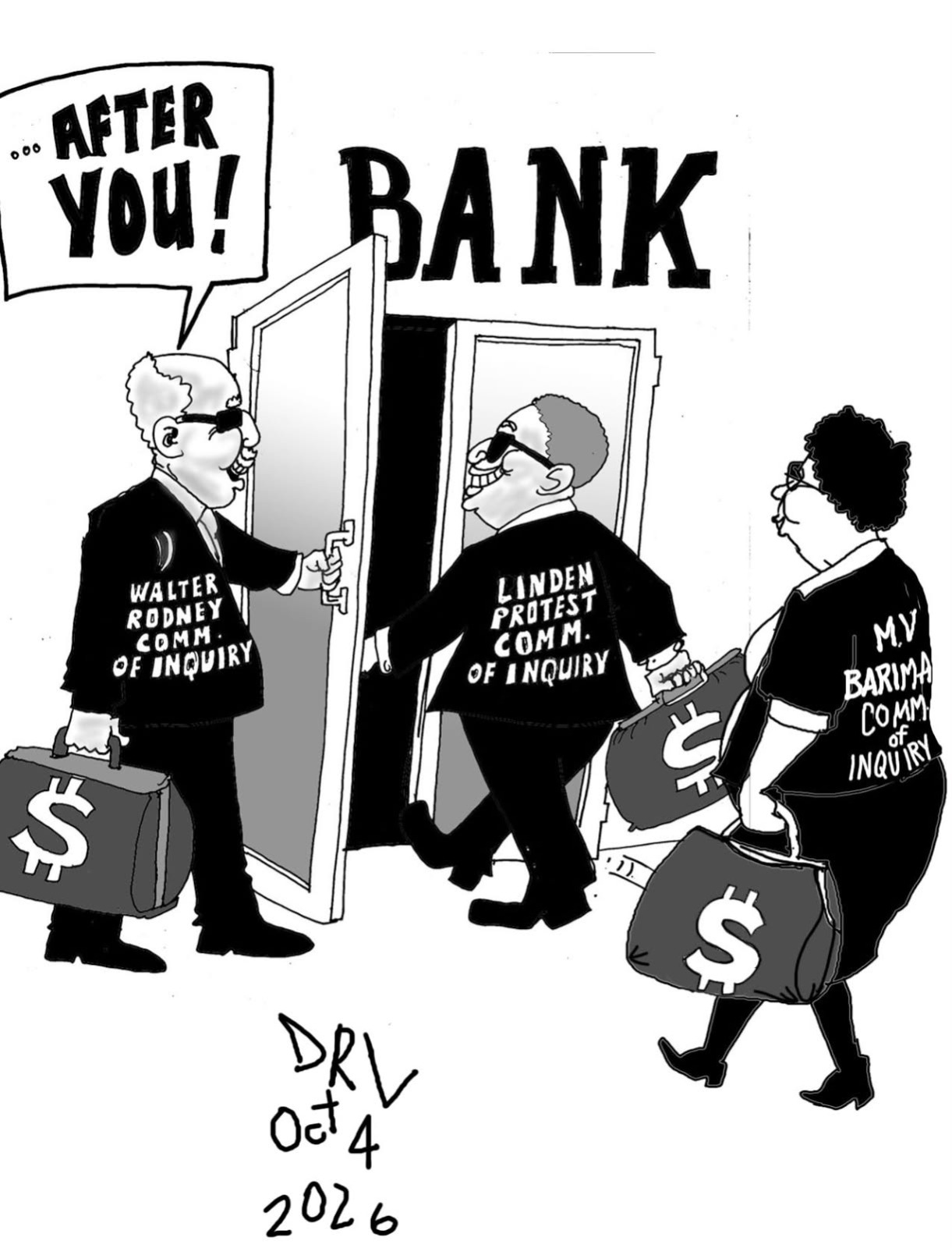
Moreover, officially recognized organizations devoted to providing a helping hand to the needy should fall within targeted relief efforts. Rising prices have also impact them, for they are usually operating on shoestring budgets. The government should consider using the NIS or GRA as its mechanism for targeted relief programs, to complement its bank account delivery initiative. Cash envelopes and crowds should be history. A study is required, honesty a must, and the will to implement targeted relief should be main pillars of any such policy.
Share this:

Discover more from Kaieteur News
Subscribe to get the latest posts sent to your email.
Similar Articles
Website Hits

Blunt of the day
Sports

Features/Columnists

Sir. Ronald Sanders

The GHK Lall Column

Weekend Cartoon