Latest update October 1st, 2026 10:58 AM


Latest News
- GuySuCo worker dies after reportedly crushed by forklift at Albion Estate
- Chinese boy, 6 chopped to death at Parika
- Mothers cling to hope as search for missing Surinamese men enters fifth week
- Regions One, Seven residents turn up heat over mining at Chinese Landing
- Zijin reports more gold from Aurora than Guyana’s official declaration
Are we pursuing another white elephant project?
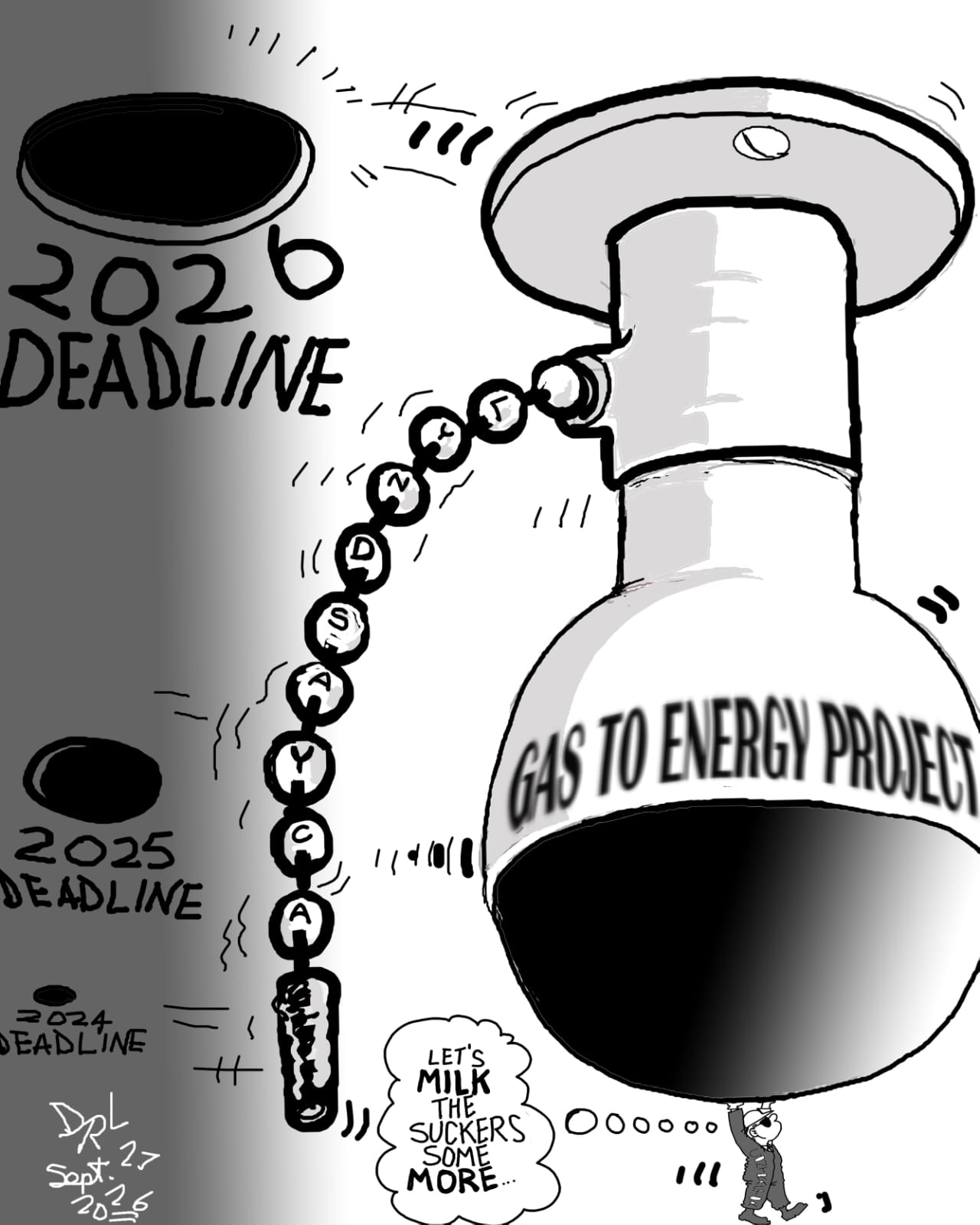
(Kaieteur News) – Guyana’s first gas-to-energy project was meant to be a turning point. It promised cheaper electricity, more reliable power, and a new wave of industrial development. Today, however, the project is behind schedule. While delays are not unusual for large infrastructure works, the reasons in this case raise important questions that the public deserves answers to.
One of the main issues appears to be problems with the land identified for the project. This is not a small matter. Land challenges—whether related to soil conditions, drainage, or preparation—can slow construction and drive-up costs. But more importantly, they raise a deeper concern: were the necessary feasibility studies and technical assessments properly done before the project began?
At the same time, there is still uncertainty about the final price tag of the project. The public has heard different figures over time, but there is no clear and consistent number that people can point to with confidence. This lack of clarity creates unease. Citizens understand that development requires investment, but they also expect transparency. When costs are unclear, it becomes difficult to measure value or hold anyone accountable.
What is known, however, is that the gas-to-energy project is expected to cut electricity costs by as much as half. That is a major benefit for households and businesses alike. Lower energy costs can make local industries more competitive and improve the standard of living for ordinary Guyanese. In addition, the project includes plans for an industrial park at Wales. This facility is expected to support the processing of liquefied natural gas, fertilizer production, and other industrial activities. If executed well, this could help diversify the economy and create new jobs.
The energy output itself is also substantial. At peak, the project is expected to generate around 300 megawatts of power. That is roughly enough to meet Guyana’s current electricity demand. In that sense, the project has a clear and practical purpose: to solve today’s energy challenges.
The concern arises, however, when we look beyond this first project. The government has already expressed interest in establishing a second gas-to-energy plant in Berbice. On the surface, this may seem like forward planning. Guyana’s oil production is increasing, and with it comes large amounts of associated natural gas. It is reasonable for the country to think about how to monetize this resource instead of wasting it.
But the situation in Berbice is very different. At present, there is no clear demand for the additional gas or the energy that a second plant would produce. Unlike the first project, which is tied to existing needs, a second plant would require new and large-scale industrial activities to justify its existence. This means Guyana would have to actively seek out “mega projects” to consume the gas and energy.
This is where the risks begin to grow. Attracting such projects will likely mean inviting large foreign multinational companies to invest and operate in Guyana. While foreign investment can bring capital and expertise, it can also lead to increased foreign dominance in key sectors of the economy. There is always a balance to be struck, and it is not clear that Guyana is fully prepared for this shift.
There are also practical challenges. Many of the industries that would be needed to utilize the gas require specialized skills that are not widely available in Guyana at present. Developing these skills will take time and planning. Without them, the country may find itself heavily dependent on foreign labour and expertise.
Then there is the question of markets. Guyana’s internal market is small. It cannot absorb the level of production that would come from these large industrial projects. This means that exports would be essential. But securing reliable external markets is not easy. It requires careful negotiation, competitive pricing, and long-term agreements.
In many ways, Guyana risks putting the cart before the horse. Planning a second gas-to-energy plant without first securing demand, skills, and markets is a gamble. It assumes that everything else will fall into place later. History suggests that this is a risky approach.
There is a lesson here from the past. During the time of Forbes Burnham, Guyana pursued the Upper Mazaruni Hydroelectric Project. It was an ambitious vision, and for years it was said that external factors, including US opposition to financing, prevented it from moving forward. But another key issue was the lack of a viable market for the energy that would have been produced. There were hopes of exporting electricity to all of all places, Venezuela. In the end, the project collapsed under the weight of these uncertainties.
Today, Guyana faces a similar dilemma. The ambition to expand energy production is understandable, especially with growing oil and gas resources. But ambition must be matched with careful planning. Projects must be grounded in clear demand, realistic cost estimates, and thorough preparation.
The first gas-to-energy project still holds great promise. If completed successfully, it can transform the country’s energy landscape and support economic growth. But the delays and uncertainties surrounding it should serve as a warning. Guyana must proceed with caution, learn from past mistakes, and ensure that future projects are built on solid foundations.
(The views expressed in this article are those of the author and do not necessarily reflect the opinions of this newspaper.)
Share this:

Discover more from Kaieteur News
Subscribe to get the latest posts sent to your email.
Similar Articles
Website Hits

Blunt of the day

Sports

Features/Columnists

Sir. Ronald Sanders

The GHK Lall Column

Weekend Cartoon