Latest update August 10th, 2026 12:59 AM



Latest News
- CCJ under pressure as judges’ leaked emails raise questions over independence
- Guyana must now receive its 50% profit in Exxon deal
- Israel rejects Trump’s 15-point plan for Gaza, stoking tensions with U.S.
- ‘Hands off the Kurupung’ – Region 7 Vice-Chair warns EPA against approving uranium drilling
- Canje businessman killed after struck by car driven by Dr. Ramayya
FAO, ILO, and ITC partner to enhance linkages in Guyana’s seafood sector
(Kaieteur News) – The Food and Agriculture Organization of the United Nations (FAO), the International Labour Organization (ILO), and the International Trade Centre (ITC) collaborated with the Ministry of Agriculture and the Ministry of Labour to host a one-day workshop on Monday.
Titled “Strengthening Guyana’s Agribusiness: From Fisheries Cooperatives to Seafood Markets”, the workshop brought together fisheries cooperatives, seafood and agrifood businesses, banks, business support organisations, and policymakers. Its main goal was simple: to help fisheries cooperatives connect more easily with buyers, markets, and sources of finance in Guyana. By creating space for these groups to meet, talk, and plan together, the event aimed to reduce gaps in the seafood value chain and to support more stable, profitable business relationships.

Labour Minister, Keoma Griffith and other officials at the workshop.
Minister of Labour and Manpower Planning, Keoma Griffith, in his keynote address, said, “The forum is timely as it ensures that Guyana’s fisherfolk are fully part of the country’s ongoing development and transformation”. He indicated that the government supports these partnerships between international organisations, cooperatives, and the private sector to build more resilient agricultural and fisheries systems that can drive inclusive economic growth in Guyana and across the Caribbean.”
Mr. Denzel Roberts, Chief Fisheries Officer of the Department of Fisheries, Ministry of Agriculture, echoed Minister Griffith’s sentiments that the Government of Guyana supports the development of fish cooperatives and this workshop. He added that the event will create linkages between fisherfolk and financial institutions and help the sector access new markets, in line with the Government’s objectives.
The event was supported by business stakeholders such as national banks, regional partners, and the Georgetown Chambers of Commerce and Industry. Their involvement facilitated discussions beyond ideas towards practical partnerships that can improve access to markets and finance. Over time, these partnerships can help cooperatives invest in better equipment, improve product quality, and increase production, leading to higher incomes and more secure jobs in fishing and related industries.
Rory Osborne, a fisher from Wakenaam, noted, “This event opened my eyes to all the things required to run a coop and was great for networking with new people”.
Victor Mangru, a fisher from Region Three, added that “The event is great because I’ve been able to meet people like business incubators, supermarkets, and banks, which can help my business grow”.
Through focused discussions and networking sessions, participants shared practical ways to work together more effectively. They looked at how to strengthen relationships between suppliers and buyers, improve productivity and quality, and adopt responsible business practices across the fisheries and agrifood sectors. Special attention was given to the needs of cooperatives, small-scale producers, and micro, small, and medium-sized enterprises (MSMEs), so that growth in the sector benefits a wider range of people.
Labour standards and decent work were a key part of the conversation. By encouraging businesses and cooperatives to follow fair labour practices from the start, the workshop helped to link market growth with safer working conditions, skills development, and more stable employment for Guyanese workers.
The workshop also allowed representatives from the Ministry of Labour and the Ministry of Agriculture to engage directly with private-sector actors. This will help to ensure that new business partnerships support national priorities, including sustainability, inclusive growth, and decent employment. When public policy and private investment work in the same direction, successful models can be expanded and have a greater impact across the sector.
The representative of Survival Supermarket said that this was a beneficial event for first engagement, and he can see great potential with new seafood suppliers.
The collaboration reflects the different but complementary roles of the partners involved:
- FAO works to strengthen sustainable fisheries, agrifood systems and livelihoods;
- ITC supports MSMEs to become more competitive and access markets;
- ILO promotes decent work and respect for labour standards; and
- Guyana’s Ministry of Agriculture and Ministry of Labour provide national leadership on sector development and employment.
By strengthening links within Guyana’s seafood value chain, the workshop supports national development goals such as job creation, economic diversification and food system resilience. In the longer term, stronger and more inclusive value chains can increase incomes for workers and producers, attract investment, and boost the seafood sector’s contribution to the national economy.
The event also supports the goals of the FISH4ACP programme, which aims to make fisheries and aquaculture value chains more sustainable, inclusive and resilient. It contributes to progress on the Sustainable Development Goals (SDGs), particularly those related to decent work, economic growth, innovation and sustainable use of marine resources.
FISH4ACP is an initiative of the Organisation of African, Caribbean and Pacific States (OACPS) aimed at making fisheries and aquaculture value chains in Africa, the Caribbean and the Pacific more sustainable. FISH4ACP is implemented by FAO with funding from the European Union (EU) and the German Federal Ministry for Economic Cooperation and Development (BMZ).
Mr. Joan Nadal Sastre, Head of Cooperation for Guyana and Suriname, Delegation of the European Union to Guyana, Suriname and CARICOM, said the EU supports this initiative that will create local added value, stimulate growth, generate decent jobs, and strengthen cohesion that are aligned with the European Union values – particularly inclusion, social cohesion and sustainable development.
Looking ahead, the United Nations partners will focus on translating the workshop outcomes into concrete business opportunities for fisheries cooperatives. They hope to sustain the commercial linkages between cooperatives, banks, and supermarkets, strengthen cooperatives’ competitiveness to be more market driven, increase sales volumes, and position them as viable players in Guyana’s seafood market. FAO, ITC and ILO, together with national partners, reaffirmed their commitment to follow up on the outcomes of the workshop and continue supporting the development of competitive, sustainable, and inclusive fisheries and agribusiness value chains that deliver lasting benefits for Guyanese workers, communities, and the economy.
Share this:

Discover more from Kaieteur News
Subscribe to get the latest posts sent to your email.
- FAO, fisherfolk, ILO, ITC, Keoma Griffith, Labour, seafood
Similar Articles

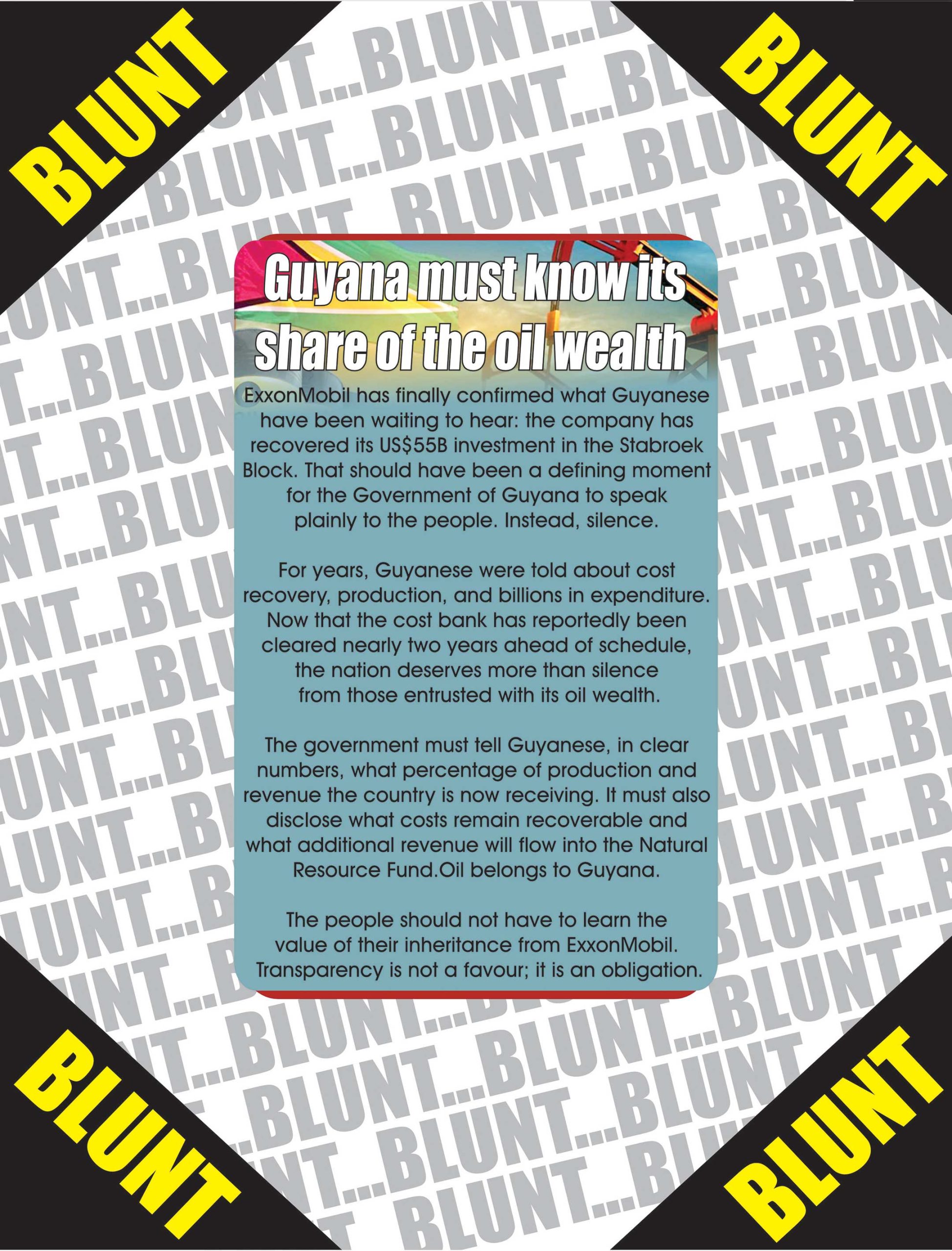
Blunt of the day
Sports
Features/Columnists

Sir. Ronald Sanders

The GHK Lall Column

Weekend Cartoon