Latest update April 17th, 2026 12:30 AM


Latest News
- Govt. seeks investors for Wales gas project
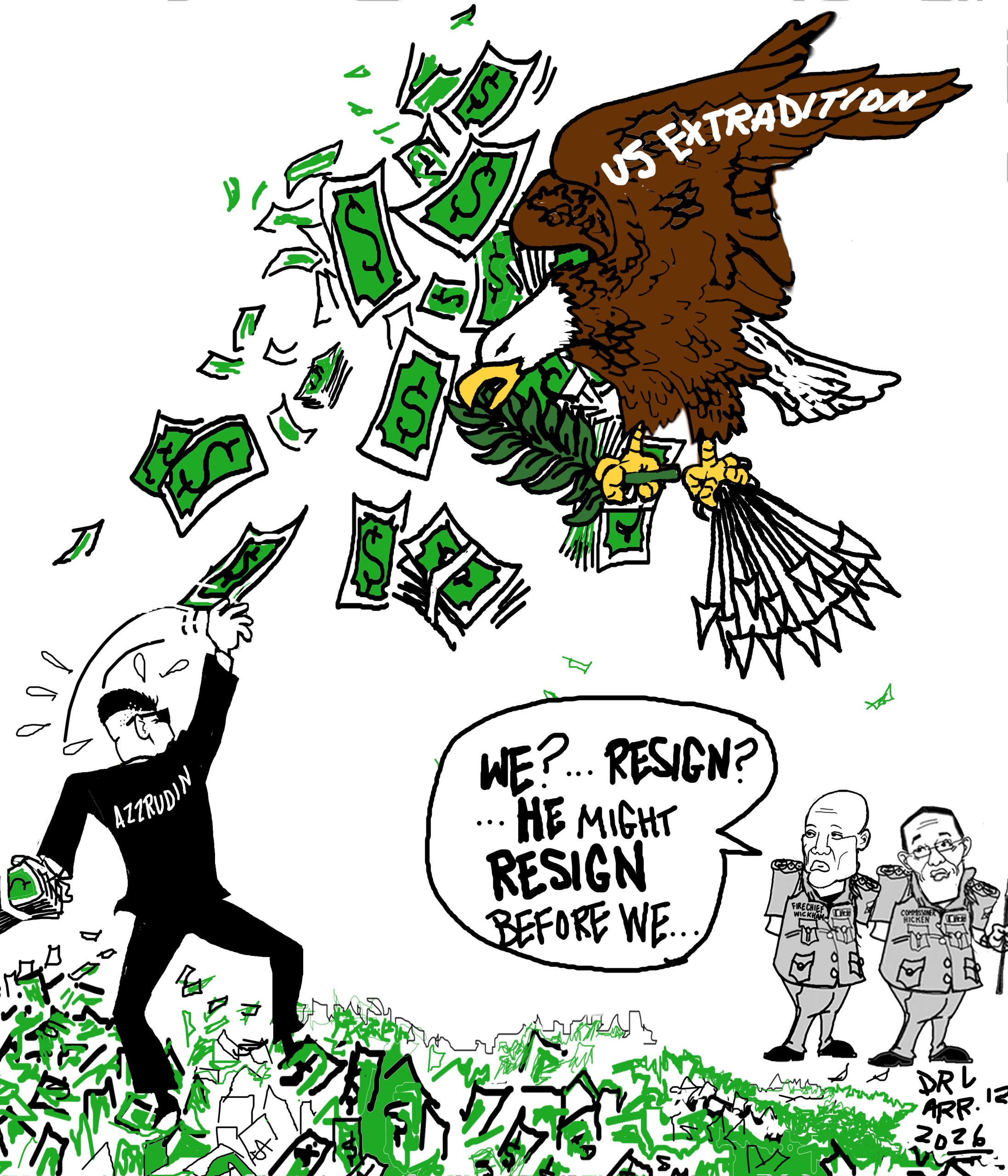
- ‘U.S. envoy under fire’ …Mohameds’ U.S. lawyer warns ambassador over “prejudicial” comments in extradition case
- Israel and Lebanon begin ceasefire, Trump says Iran may meet U.S. at weekend
- Armed bandits strike Diamond home
- CIOG evicts canteen operator after her TikTok video criticising cost-of-living
Oil boom or debt doom? – Guyana’s borrowing quadruples in just six years
(Kaieteur News) – Guyana entered the oil era in 2019 with US$1.8 billion in debt. Six years later, that figure has skyrocketed to over US$7.7 billion, a four-fold explosion in borrowing under the current administration.
At the end of 2024, Guyana’s debt stood at US$6B but another US$1.7B was added to finance the 2025 Budget, as revealed by Vice President, Bharrat Jagdeo.

President Irfaan Ali
Guyana commenced producing oil in December 2019. Since then, the country has earned just over US$7.8B in oil revenue, according to the latest Bank of Guyana (BoG) report on the Natural Resource Fund (NRF). Notably, almost US$4.6B has already been withdrawn by government since the inception of the Fund.
The country now finds itself paying high interest on the money it borrowed to finance its development agenda. Government however believes in its ability to repay the debt in light of earnings from the oil sector. The Irfaan Ali-led administration has often touted the low GDP to debt service ratio, meaning that the country’s Gross Domestic Product (GDP) far outweighs the country’s annual repayment on loans. It should be noted that the country’s growth in GDP, while largely reflective of exports from the petroleum sector, is not the real value that the country receives from the sector.
For instance, Guyana’s total crude oil exports amounted to US$17.9B in 2024 but Guyana only received a meagre US$2.6B in revenue from the sector during the same period. Stakeholders have frequently warned that while the country is “rich on paper” in reality the nation risks slipping into a dangerous debt crisis that many oil producing states previously fell prey to.
Economist Elson Low had warned of the consequences associated with dependency on oil revenues to repay debt, as a collapse in oil price could have serious effects on the economy. He reminded that Dr. Ashni Singh informed the International Energy Conference in 2023 that with the tripling of Guyana’s economy, the country is now in a better position to take more loans. Low said, “This implies that the reason we are able to take on more debt is because of the oil sector. As a result, our ability to repay these debts is dependent on the oil sector.”
Ballooning debt
In 2019, the country’s debt was US$1.8B; according to Annual Reports from the Bank of Guyana (BoG), the nation’s debt grew by 46.7% in 2020 to US$2.6B. In 2021, the debt surged to US$3.1B, and in 2022 this trend continued with the total stock of debt climbing to US$3.7B. In 2023, debt increased further by 23.4% to US$4.5B while this grew to a massive US$6B at the end of 2024. In 2025, government added approximately US$1.7B more in debt as announced by the VP at the beginning of this year.
Only last week the Caribbean Development Bank (CDB) called on Caribbean governments and development partners to take bold, coordinated action to confront the twin challenges of stubbornly low growth and persistently high debt across the region. Speaking at the 2nd Caribbean Debt Forum, Ian Durant, Acting Vice-President (Finance and Corporate Services) of the CDB, outlined a comprehensive set of policy recommendations aimed at promoting inclusive and sustainable growth, boosting competitiveness, and strengthening fiscal resilience through decisive debt management. Durant pointed to recent macroeconomic data and regional assessments that paint a sobering picture: the Caribbean’s growth trajectory remains weak, undermined by low productivity, narrow export bases, and high exposure to climate shocks. These deep-rooted structural issues, he warned, continue to restrict fiscal space and hinder the region’s long-term development prospects. “The Caribbean’s growth trajectory has been constrained by high export concentration and structural rigidities, which have led to low and volatile growth,” Durant said. “To unlock our full potential, we must invest in building competitive, diversified economies that can withstand external shocks and deliver inclusive growth.”
Debt relief services
While regional debt ratios have improved since the pandemic, Durant cautioned that eight of the Bank’s Borrowing Member Countries (BMCs) still exceed the 60 per cent debt-to-GDP benchmark. Rising global interest rates and slowing nominal GDP growth, he noted, threaten to erode these fragile gains, making debt sustainability an urgent development priority. “Debt sustainability is not just a fiscal issue, it is a development imperative,” Durant stressed. “CDB remains committed to supporting member countries through innovative financing, technical assistance, and policy dialogue to help them build resilience and achieve lasting prosperity.”
Experts and politicians have warned the Guyana Government about excessive borrowing on the back of its oil revenues. Only recently the United Kingdom increased its export credit financing limit for Guyana from £2.1 billion to £3.0 billion, a move billed by both London and Georgetown as a vote of confidence in Guyana’s accelerating economic progress. But amid the applause, commentators have here have sharply warned that Guyana must tread carefully. Failure to do so, they say, risks plunging the country into a debt trap, especially given the volatility of oil prices and the nation’s already heavy external and domestic obligations.
Share this:

Discover more from Kaieteur News
Subscribe to get the latest posts sent to your email.
Similar Articles

THE BLUNT OF THE DAY

Sports

Features/Columnists

Sir. Ronald Sanders

The GHK Lall Column

Weekend Cartoon