Latest update September 10th, 2026 10:25 AM


Latest News
- Dutch firm secretly invited by Govt. among three bidders for MV Barima salvage
- Fire ravages Regent Household Electronics Store
- Panama Canal restrictions put up to US$10 Billion of CARICOM imports at risk – CPSO warns
- Oil pushes past US$100 as wave of U.S.-Iran attacks exposes dwindling safety net
- Take shorter showers – GWI urges
The plight of ordinary workers in Guyana
(Kaieteur News) – Not so long ago, a father — one of those quiet men who work, go home, and ask for nothing more than a little peace — set out for home after a long day on the job. With his haversack over his shoulder, he took his usual route to the bus park. He never made it home. Attacked and stabbed by a gang of youngsters, his life ended on the pavement.
It was a brutal, senseless killing. But it was also depressingly familiar. This is the daily reality of Guyana’s working poor— people who spend their days serving others and their nights dodging danger.
Public transport is their lifeline, yet it has become a hazard. The ordinary worker doesn’t drive home in an air-conditioned SUV. He catches a minibus, if he’s lucky enough to find one. If not, he waits, sometimes for hours, in places that become hunting grounds after dark.
And now, as if the threat of crime were not enough, the ordinary worker faces a new misery: traffic. There are so many vehicles on the roads that the minibuses can barely move. The gridlock is so bad that most drivers now make just one or two trips after work and then call it a day. That means fewer buses, longer waits, and more exposure to danger.
So, the worker stands at the bus park, tired, hungry, and anxious, watching the crowd thin as night falls. For the poor, even getting home has become a battle. The other option, the bicycle, once the poor man’s pride and freedom, is no safer. The city’s roads have become racetracks for reckless drivers who see cyclists as moving targets. Every day, the worker on two wheels risks being knocked down by someone who believes speed is a right and courtesy a weakness.
At night, the bus parks, especially Stabroek Square, turn into danger zones. As daylight fades, the muggers emerge. The weak lighting, the chaos of vending stalls, and the absence of the police create the perfect setting for crime. The death of that worker only exposed what everyone already knows: that these places are unsafe, and that those who depend on them are left to fend for themselves.
Because of traffic, many workers, including women, reach the parks late and end up waiting in the dark. They form little clusters for safety, but that illusion of security vanishes the moment an attack begins. When the robbers strike, every man Jack scatters. Authorities keep talking about safety, but talk alone cannot light the parks or chase the criminals away. The illegal stalls and ramshackle sheds that clutter these spaces must go. The parks need lighting, police patrols, and order, not excuses.
But this is about more than crime. It is about the slow strangling of the working poor. Between the choking traffic, the reckless driving, and the fear of being robbed, the ordinary man is being squeezed on every side by neglect, by indifference, and by sheer frustration.
Last year, a large business secured an order to clear illegal vendors from around its premises. That’s a start. If one establishment can reclaim its surroundings, why can’t the rest of the city? If that same energy were directed toward the bus parks, we could begin to restore some sense of decency and safety for the travelling public.
The government, the police, and the city authorities must get serious. The laws must apply to everyone: vendors, drivers, and criminals alike. Selective enforcement only deepens the chaos. Whether it’s a choke-and-rob or a reckless driver on the loose, the response should be the same: swift, firm, and fair. The worker who earns his bread by the sweat of his brow should not have to gamble his life just to get home. Most can’t afford taxis or “specials.” Their only ride is the minibus — if one shows up — or the bicycle — if they dare risk it. The system has left them exposed, and that must change. By fixing the bus parks, managing the traffic, and protecting cyclists, the government can send a clear message: that the poor man’s life matters as much as anyone else’s. This is not just about transportation. It is about dignity. It is about fairness. It is about survival. And it is long past time.
(The views expressed in this article are those of the author and do not necessarily reflect the opinions of this newspaper.)
Share this:

Discover more from Kaieteur News
Subscribe to get the latest posts sent to your email.
Similar Articles
One thought on “The plight of ordinary workers in Guyana”
Website Hits

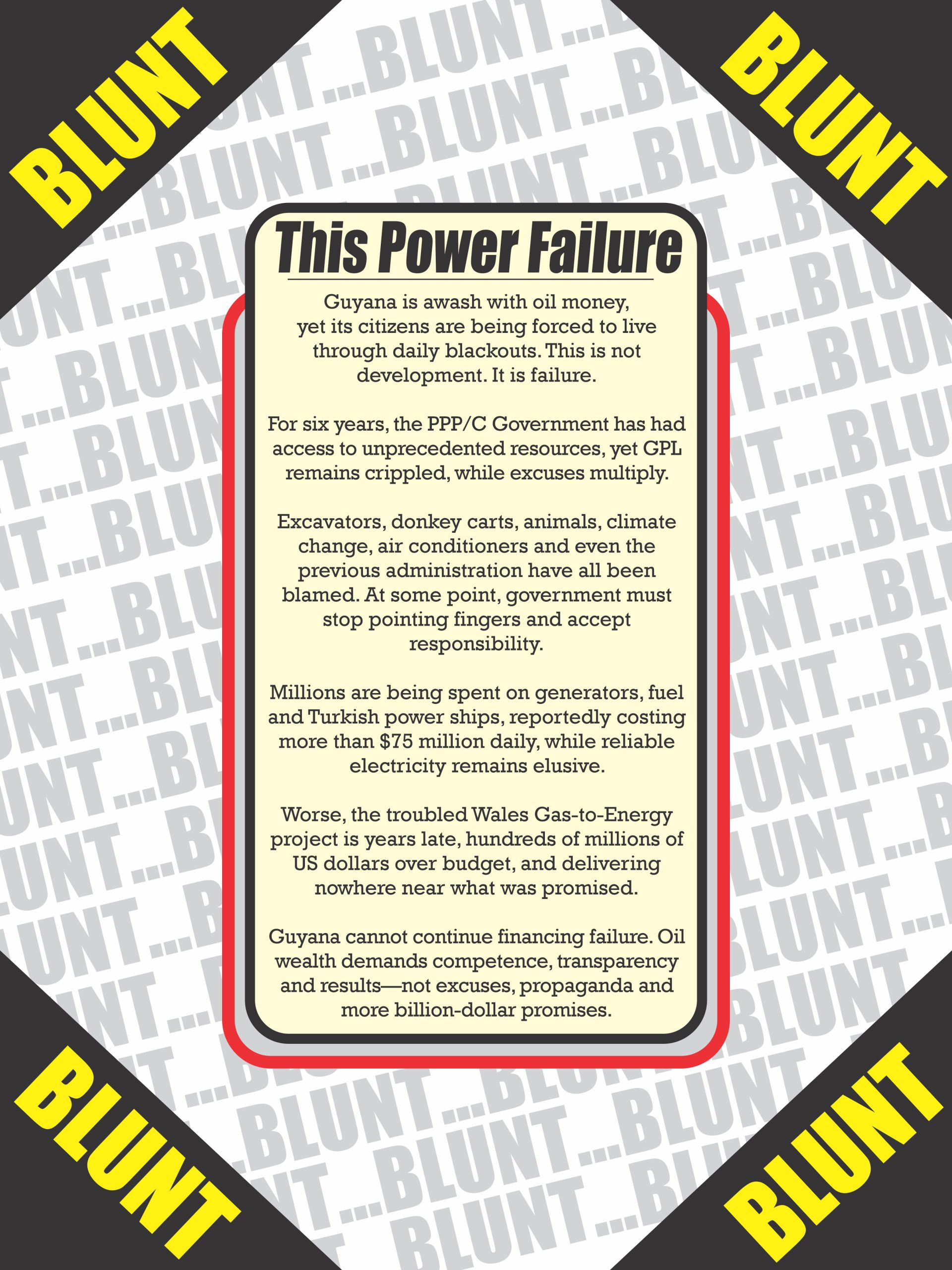
Blunt of the day
Sports

Features/Columnists

Sir. Ronald Sanders

The GHK Lall Column

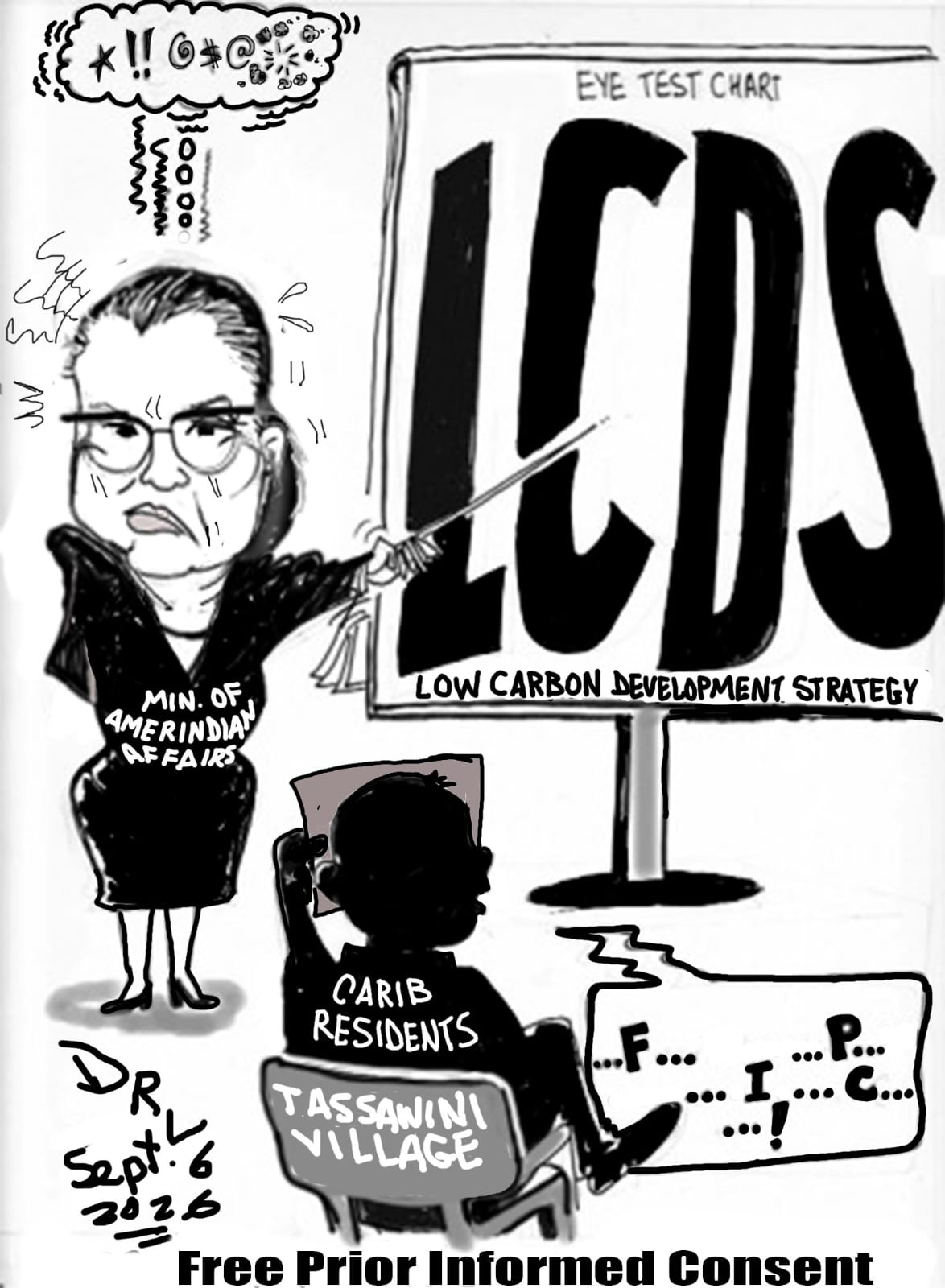
Weekend Cartoon


That has been an age old problem in the old days before so much traffic and’
people, construction, security guards, motor bikes thieves. The Choke and
Rob (that’s their original name) gangs just lay in wait for when the train arrive from Rosignol to the GT terminus by Main Street. Their weapon was knives.
Guns were unheard of.
The few British Guiana Currency was all hidden in shoes, socks, bucta,
secret pockets-those days you special order clothes from the neighborhood
tailor, hats, caps, everywhere to defeat that dreaded gang. We have progressed to Bicycle, motor bikes, cars gangs, well organized in groups
like a conglomerate- in a Capitalistic way.