Latest update July 29th, 2026 2:28 AM



Latest News
- Captain, crew members charged with 72 counts of murder
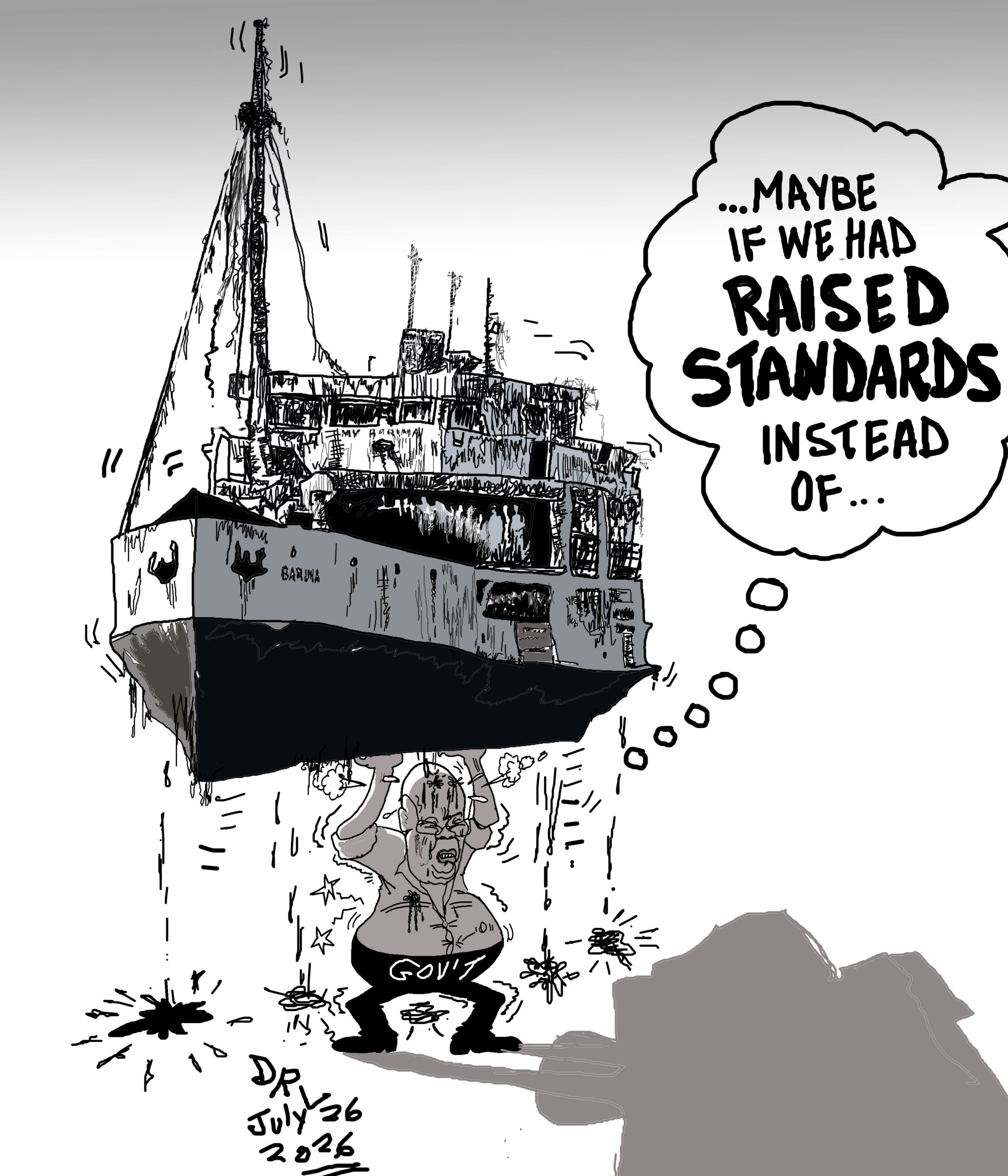
- Weeping captain: ‘we don’t deserve this’ says vessel was unfit to sail
- Mohamed’s offer to raise MV Barima, pushes Govt. to say victims’ relatives will decide
- Guyana’s predictable fiscal regime will work for you’ – Dr. Singh tells investors at COTA
- Chinese Enterprises Association donates relief supplies to CDC for families affected by MV Barima tragedy
Caribbean must first tackle hunger, inequality to be global leader in food and agriculture – FAO
Kaieteur News – Latin America and the Caribbean “can and must step up” to address increasing hunger and inequality rates in the region, a role that would move them “to the forefront of global food and agriculture” – this was the message conveyed by the Director-General of the Food and Agriculture Organization of the United Nations (FAO), QU Dongyu, to regional political leaders here on Tuesday.
Qu’s speech to the 7th Summit of Heads of State and Government of the Community of Latin America and Caribbean States (CELAC), presided over this year by Argentina, was delivered by FAO Chief Economist, Maximo Torero.
CELAC is an inter- governmental mechanism for dialogue and political agreement designed to support regional integration programs and comprised of 33 countries that are home to around 600 million people. Its role is important today as recent years have seen a weakening of collective efforts towards regional and global integration. “Multilateral institutions need to innovative” to respond to current unprecedented and overlapping crises, said Qu, who will sign several letters of intent to pursue projects in the region during the meeting.
“We live in the most unequal continent in the world and once and for all we must undertake a process leading to equality,” said President Alberto Fernández of Argentina in his opening remarks. “It is much easier to achieve such results working together.”
Qu pointed to key priority areas that integration through CELAC would facilitate, highlighting the need to expand food supply in the Caribbean, where healthy diets are expensive, investing in water infrastructure and food production initiatives in Central America, where droughts and outmigration are persistent trends, improving food exchange between countries in the Andean region, and fostering a large regional programme of infrastructure for production, storage and transportation of food to facilitate intra-regional trade and exports.
While prioritizing the protection of national economies is natural, it is important to note “we are all together on this small planet and the measures taken in one country affect all the other countries,” the Director-General said, citing the worldwide experience of the COVID-19 pandemic as an example of the value and importance of international collaboration. FAO can efficiently provide support for the implementation of CELAC initiatives and goals of all Members if their concerns are made clear and the tangible and sustainable solutions agreed, he noted.
Transform agri-food systems to reboot SDG agenda
Latin America and the Caribbean was an outperforming region in terms of reducing hunger and poverty in the decade up to 2015. Yet, despite being the world’s largest net food exporting region, it has faced major setbacks lately. Between 2019 and 2021, the number of people suffering from hunger increased by 30 percent to 56.5 million, while those enduring poverty also increased.
That could represent a setback of a decade or more in the effort to reduce poverty and hunger in the region and beyond and stymie efforts to reduce inequalities as called for by Sustainable Development Goal 10, FAO’s Director-General said. While the FAO Food Price Index has been declining, offering some respite, recovery has yet to be established and more challenges are inevitable as the world’s agri-food systems operate under risks and uncertainties, including those stemming from the climate crisis and economic slowdowns, he added.
Qu called for urgent collective action now to focus on the social and economic consequences of the pandemic, rising food insecurity, rising prices of staple foods, fertilizers, and other agricultural inputs, the climate crisis, erosion of biodiversity, deforestation and water scarcity, and persistent poverty and rising inequalities that are especially impacting rural populations, women, youth and the most vulnerable. “All FAO teams in the region are ready and fully committed to providing all the Organization’s technical expertise and capacity to Governments to assist them to face the current challenge of food security,” he said. “No one can do it alone.” The best way to do this, regionally and globally, is to transform agri-food systems to make them more efficient, more inclusive, more resilient and more sustainable, he said. “It is critical to achieve our common goal of the Four Betters: better production, better nutrition, a better environment and a better life for all,” he added.
Share this:

Discover more from Kaieteur News
Subscribe to get the latest posts sent to your email.
- COVID-19, Food and Agriculture Organization of the United Nations (FAO), Maximo Torero, President Alberto Fernández, QU Dongyu
Similar Articles

Blunt of the day
Sports

Features/Columnists

Sir. Ronald Sanders

The GHK Lall Column

Weekend Cartoon