Latest update August 5th, 2026 1:26 AM



Latest News
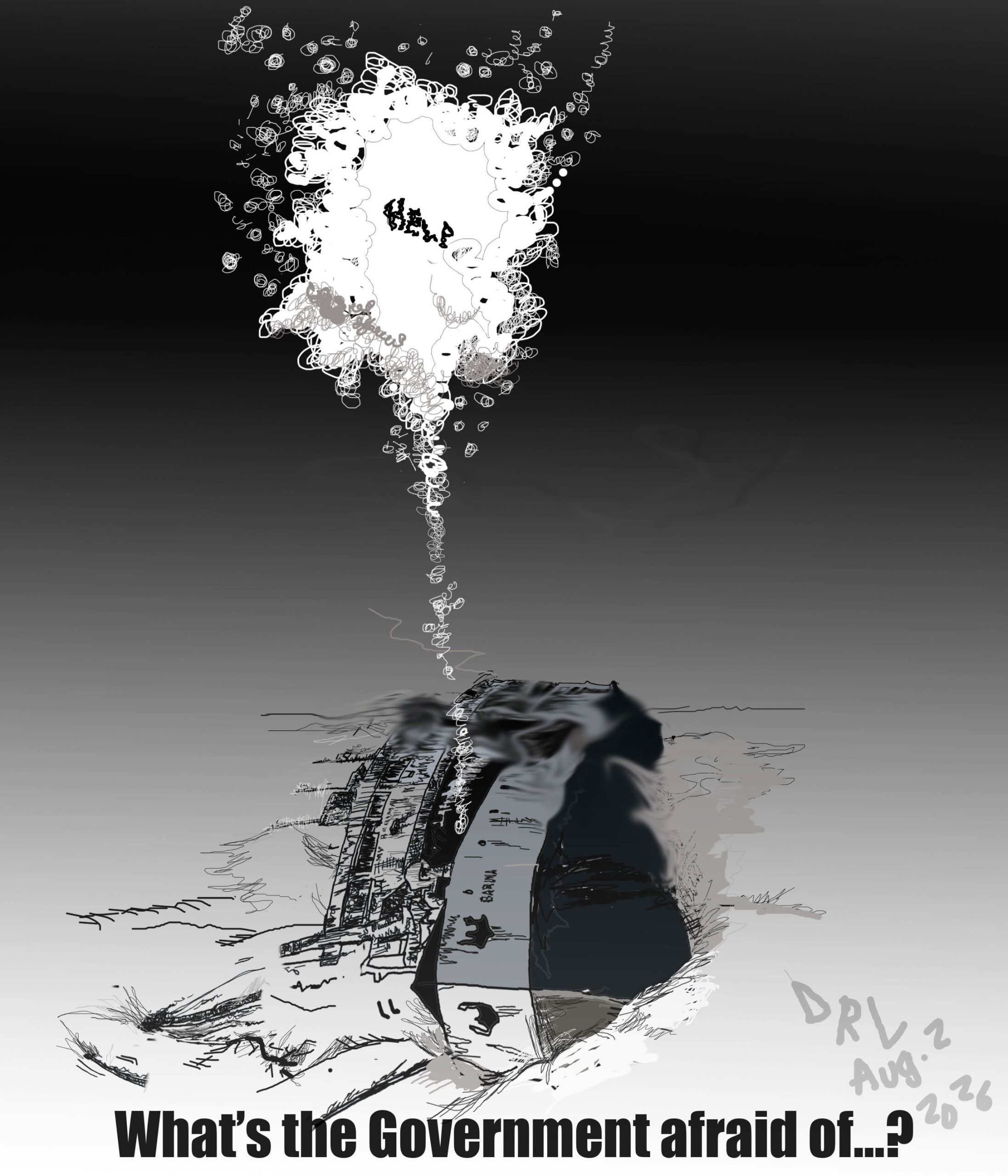
- Govt. secretly invited Dutch firm to raise MV Barima long before issuing tender – well-placed sources
- Guyana still to receive full 50% profits promised by VP Jagdeo
- Jagdeo faces hostile Linden protests
- Trump blasts ExxonMobil, Chevron for making “too much money” during war, says companies should lower prices
- GMSA rails against Govt’s $496 million water bottling plant
Africa’s richest oil nation… Nigeria gets US$3.4B in emergency funding for COVID-19 but its politicians had stolen trillions from the Treasury
After much consideration, the Executive Board of the International Monetary Fund (IMF) has approved Nigeria’s request for emergency financial assistance totalling US$3.4 billion. This would represent 100 percent of the quota it is able to request under the IMF’s Rapid Financing Instrument (RFI) to meet the urgent balance of payment needs stemming from the outbreak of the COVID-19 pandemic.
The IMF noted that the near-term economic impact of COVID-19 is expected to be severe, while adding that already, high downside risks have increased. Even before the COVID-19 outbreak, the Fund said that Nigeria’s economy was facing headwinds from rising external vulnerabilities and falling per capita Gross Domestic Product (GDP) levels. The financial institution said that the pandemic—along with the sharp fall in oil prices—has magnified the vulnerabilities, leading to a historic decline in growth and large financing needs.
Kaieteur News understands that the financial support will help limit the decline in international reserves and provide financing to the budget for targeted and temporary spending increases aimed at containing and mitigating the economic impact of the pandemic and of the sharp fall in international oil prices.
Following the Executive Board’s discussion of Nigeria, Mr. Mitsuhiro Furusawa, Deputy Managing Director and Acting Chair, was keen to note that the COVID-19 outbreak is severely impacting economic activity in Nigeria. He said that these shocks have created large external and financing needs for 2020. The official said that additional declines in oil prices and more protracted containment measures would seriously affect the real and financial sectors and strain the country’s financing.
The Deputy Managing Director said that the authorities’ immediate actions to respond to the crisis are welcome while noting that the short-term focus on fiscal accommodation would allow for higher health spending and help alleviate the impact of the crisis on households and businesses. He said that steps taken toward a more unified and flexible exchange rate is also important while adding that the unification of the exchange rate should be expedited. “Once the COVID-19 crisis passes, the focus should remain on medium-term macroeconomic stability, with revenue-based fiscal consolidation essential to keep Nigeria’s debt sustainable and create fiscal space for priority spending,” the Deputy Director expressed.
The official was also keen to note that the implementation of the reform priorities under the Economic Recovery and Growth Plan, particularly on power and governance, remains crucial to boost growth over the medium term.
Further to this, the Deputy Director noted that additional assistance from development partners will be required to support the government’s efforts and close the large financing gap. In this regard, he stressed that the implementation of proper governance arrangements—including through the publication and independent audit of crisis-mitigating spending and procurement processes—is crucial to ensure emergency funds are used for their intended purposes.
GRIPPED BY CORRUPTION
While Nigeria may be the largest oil producer of oil in Africa, industry experts have said that the wanton misuse of its resources is responsible for where it is today. According to the World Bank’s statistics, 80% of Nigeria’s energy revenues only benefit one percent of the population. Corruption was cited as the main cause, with the net effect being widespread poverty.
Oxfam America, a confederation of 19 independent charitable organizations, has also been alarmed at the scale of corruption in this African nation. In a special study it did on Nigeria, it was found that the combined wealth of Nigeria’s five richest men amounts to US$29.9 billion—more than enough to end extreme poverty at a national level.
Further computations by Oxfam also showed that between 1960 and 2005, about US$20 trillion was stolen from the treasury by public office holders. This is larger than the GDP of the United States in 2012 (about US$18 trillion).
As a result of the mistakes made with the oil and gas resources, 57 million Nigerians lack safe water, over 130 million lack adequate sanitation, and the country has more than 10 million children out of school. Up to yesterday, it had over 1500 coronavirus cases with 44 deaths and over 250 recoveries.
Share this:

Discover more from Kaieteur News
Subscribe to get the latest posts sent to your email.
Similar Articles

Blunt of the day
Sports
Features/Columnists

Sir. Ronald Sanders

The GHK Lall Column

Weekend Cartoon