Latest update July 26th, 2026 2:05 AM



Latest News
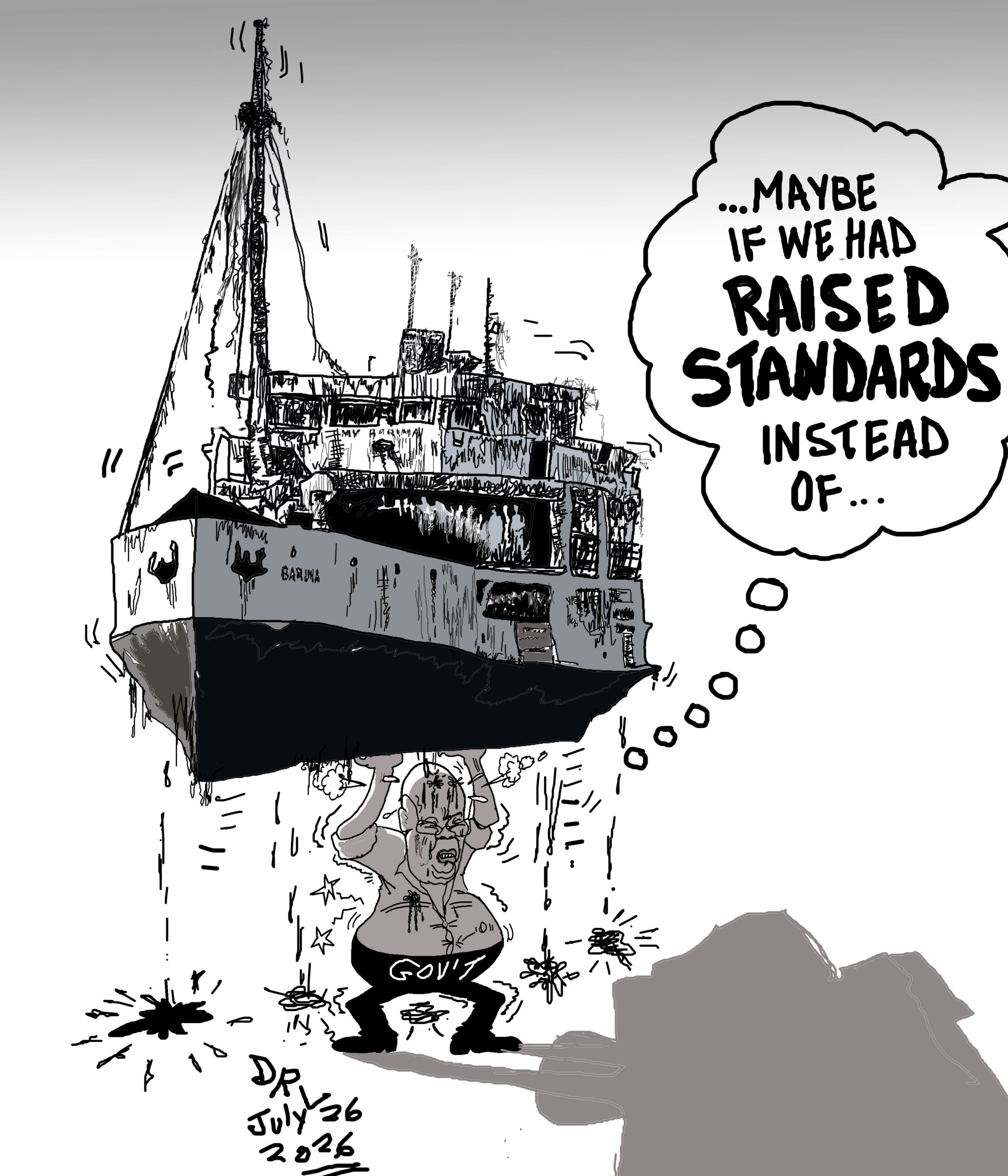
- Pres. Ali to unveil 5-member Int’l COI today to probe MV Barima disaster
- After six years of pumping oil, Guyana’s debt increased sixfold
- Other nations’ ministers stepped down following deadly ferry disasters
- Grieving mother calls on Govt. to subsidise airfares after ferry tragedy claims son
- GHRA demands Parliament-led COI into MV Barima sinking
Venezuela’s tragedy must spur Guyana to strengthen disaster preparedness
Dear Editor,
The devastating earthquakes that struck northern Venezuela on 24th June, 2026 have left the Caribbean and South American region in mourning. The twin earthquakes, measuring 7.2 and 7.5 in magnitude and occurring less than a minute apart, have caused catastrophic destruction, resulting in hundreds of deaths, thousands of injuries, the collapse of residential and commercial buildings, severe damage to transportation infrastructure, and economic losses that are expected to run into billions of United States dollars as rescue operations and damage assessments continue. The human tragedy continues to unfold as emergency responders search for survivors beneath the rubble.
Although Guyana was spared the direct devastation, many Guyanese experienced the tremors, particularly in Region Two (Pomeroon-Supenaam), where residents reported feeling the ground shake and expressed understandable concern. Such events remind us that natural hazards do not recognise national boundaries. They also highlight the interconnectedness of countries within our region and the importance of collective preparedness.
Natural disasters are often considered solely through the lens of physical destruction. Yet, the invisible consequences are equally significant. Earthquakes, floods, droughts, and other environmental emergencies frequently leave lasting psychological impacts. Survivors may experience grief, anxiety, fear, sleep disturbances, depression, and post-traumatic stress. In fact, even people who are not directly affected can develop heightened anxiety after witnessing the suffering of neighbouring countries or experiencing tremors themselves.
Clearly then, mental health is an essential component of disaster preparedness and disaster recovery. Communities recovering from environmental disasters require more than rebuilt homes, roads, schools, and hospitals. They also require psychosocial support, trauma-informed care, community solidarity, and access to mental health services that help individuals and families regain a sense of safety and hope.
Still, the events in Venezuela should serve as a timely reminder that Guyana must pay closer attention to its own environmental conditions and vulnerabilities. While our country is not known for frequent major earthquakes, we face other significant environmental threats, including flooding, coastal erosion, sea-level rise, extreme rainfall, droughts, wildfires, and the broader impacts of climate change. As our population grows and infrastructure expands, disaster risk reduction must become an even higher national priority.
Preparedness is not simply the responsibility of emergency agencies. It requires collaboration among government, local authorities, schools, businesses, health professionals, civil society organizations, faith-based institutions, and individual citizens. Every community should understand the risks it faces and know how to respond before, during, and after an emergency.
Mindful Guyana Inc. believes that environmental health and mental health are inseparable. Healthy communities depend upon healthy ecosystems, resilient infrastructure, informed citizens, and accessible mental health services. Building resilience means investing not only in engineering and emergency response but also in people, relationships, education, and community well-being.
Accordingly, I respectfully recommend that Guyana:
Strengthen national and community-based disaster preparedness programmes through regular public education and emergency exercises;
Integrate mental health and psychosocial support into all national disaster preparedness, response, and recovery plans;
Establish stronger community resilience programmes that train volunteers in psychological first aid and community support;
Invest in hazard mapping, environmental monitoring, and early warning systems for natural hazards;
Ensure that schools include disaster preparedness, environmental stewardship, and emotional resilience within their educational programmes;
Encourage partnerships among government, the private sector, civil society, and community organisations to promote environmental protection and mental wellness as shared national responsibilities; and
Support research into the relationship between environmental change, disasters, and mental health to inform future public policy.
The tragedy unfolding in Venezuela reminds us that disasters can occur suddenly, with consequences that extend far beyond damaged buildings. They affect lives, families, communities, economies, and mental well-being. The best tribute we can offer our neighbours is to learn from this event and strengthen our own preparedness, resilience, and compassion.
Mindful Guyana Inc. remains committed to promoting awareness of the vital relationship between environmental stewardship and mental wellness. Together, we can build communities that are not only environmentally sustainable but also emotionally resilient.
Yours faithfully,
Royston King
Chairman
Mindful Guyana Inc.
Share this:

Discover more from Kaieteur News
Subscribe to get the latest posts sent to your email.
Similar Articles

Blunt of the day
Sports

Features/Columnists

Sir. Ronald Sanders

The GHK Lall Column

Weekend Cartoon