Latest update October 7th, 2026 10:30 AM


Latest News
- US$214M audit dispute with Exxon now before ICC
- Suriname rejects 384.8 tonnes of Guyana rice over missing import approval
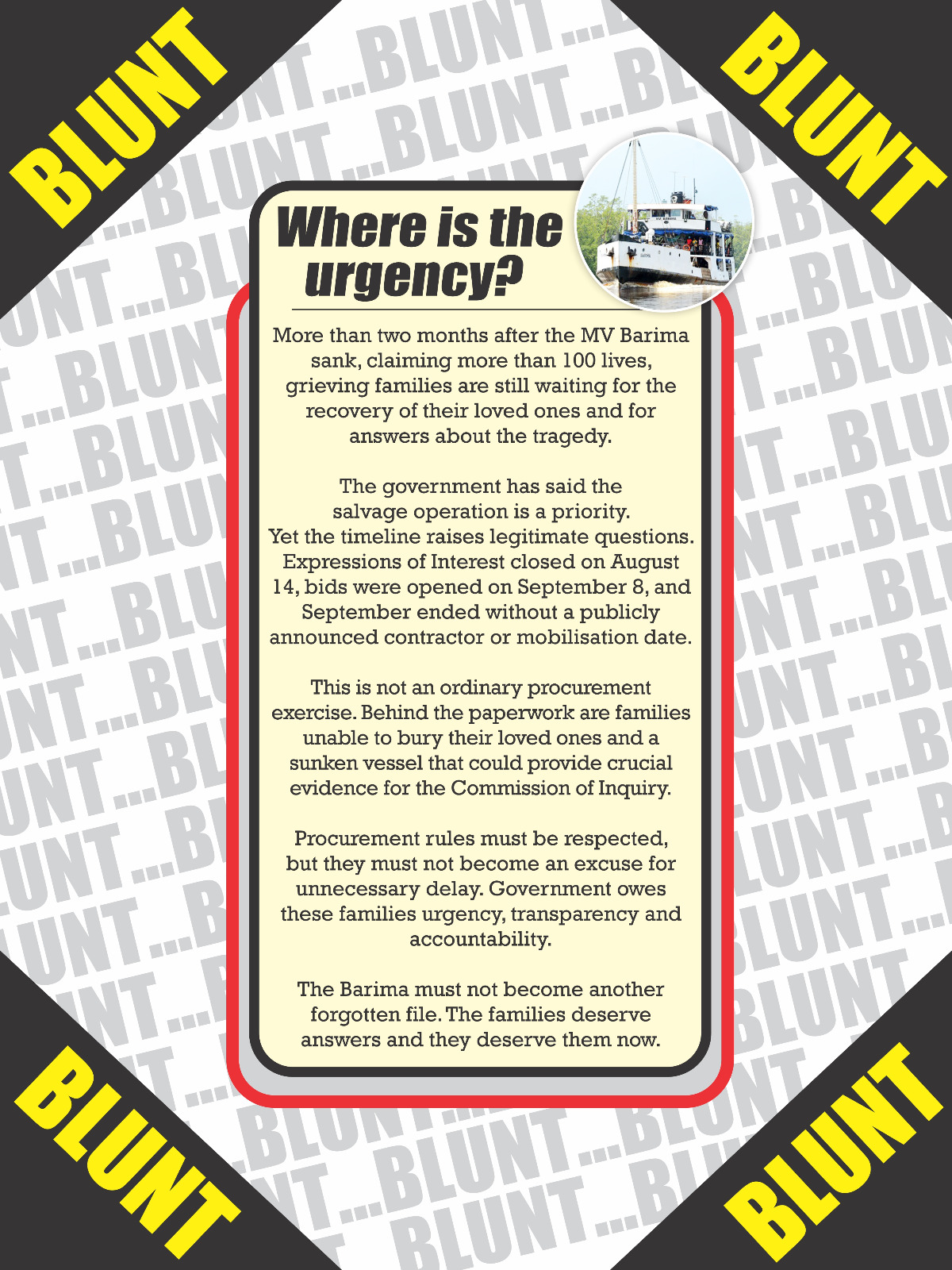
- MV Barima CoI to last 6 months amid boycotts, protest over unsalvaged vessel
- President’s Lawyer admits reporting Opposition Leader’s page before meta suspension
- Rodrigues-Birkett stands by Gaza ‘genocide’ remarks
“Extradition under the Microscope: Lessons from Guyana and Trinidad’s Divergent Paths”
Dear Editor,
Recent high-profile extradition proceedings involving the Mohammed family in Guyana and Jack Warner in Trinidad and Tobago have brought into sharp relief the complex intersection of sovereignty, legal frameworks, and international cooperation in the Caribbean. Both cases originated from indictments by the United States Department of Justice, yet the legal handling of these extraditions exposes markedly different approaches grounded in each country’s distinct legislative and constitutional contexts.
Guyana today operates without a formal bilateral extradition treaty with the United States. The 1931 UK–US Extradition Treaty, often mistakenly cited, was never extended to British Guiana and therefore lapsed with independence in 1966. Guyana’s extradition process is regulated by its own Fugitive Offenders Act, revised as recently as 2024 to modernize procedures and reflect contemporary international standards.
Crucially, it is Guyana’s legal responsibility—and consistent with international practice—that the costs of extradition proceedings, including legal representation, be borne by the requested state. Hence, Guyana pays for the prosecution lawyers, including the decision to outsource to external attorneys in the Mohammed case. This outsourcing, far from a legal obligation or external imposition, is a deliberate discretionary measure designed to bolster transparency and counter accusations of political interference in this politically sensitive matter. The U.S. government only covers costs related to translation and the physical transfer of the extradited subjects.
In contrast, the Trinidad and Tobago extradition of Jack Warner was managed internally by the Office of the Attorney General with no outsourcing. This approach stems from a clear constitutional framework and prosecutorial capacity that allowed the state to directly control proceedings. Warner’s extradition request was ultimately permanently stayed in September 2025 due to the absence of a valid extradition treaty between Trinidad and Tobago and the U.S., and judicial recognition of procedural flaws and the “specialty” principle, which protects extradited persons from prosecution beyond specified charges. These contrasting prosecutorial models reflect each state’s exercise of sovereignty and control over sensitive international legal cooperation.
Guyana’s external legal engagement prioritises impartiality, while Trinidad’s internal handling emphasizes constitutional rigor and institutional authority. Both underscore that extradition in the region follows national law, not outdated treaty relics. Understanding these nuances is essential for clear public discourse around sovereignty, justice, and international obligations in the Caribbean context.
Sincerely,
Hemdutt Kumar
Share this:

Discover more from Kaieteur News
Subscribe to get the latest posts sent to your email.
Similar Articles
Website Hits

Blunt of the day
Sports

Features/Columnists

Sir. Ronald Sanders

The GHK Lall Column

Weekend Cartoon