Latest update August 14th, 2026 10:25 AM



Latest News
- ExxonMobil produced one billion barrels of oil in less than 7 years – Routledge
- Canadian firm announces plan to advance, integrate 3.2M ounce gold project with 4.64M Oko West project
- 15-year-old arrested after Corriverton fisherman dies following altercation
- Huge oil spill off the coast of Oman now covers hundreds of square miles
- US$3.6B spent in local companies since 2019 – Exxon
Oil companies will now have disclose all payments to Govt. – EITI new rules
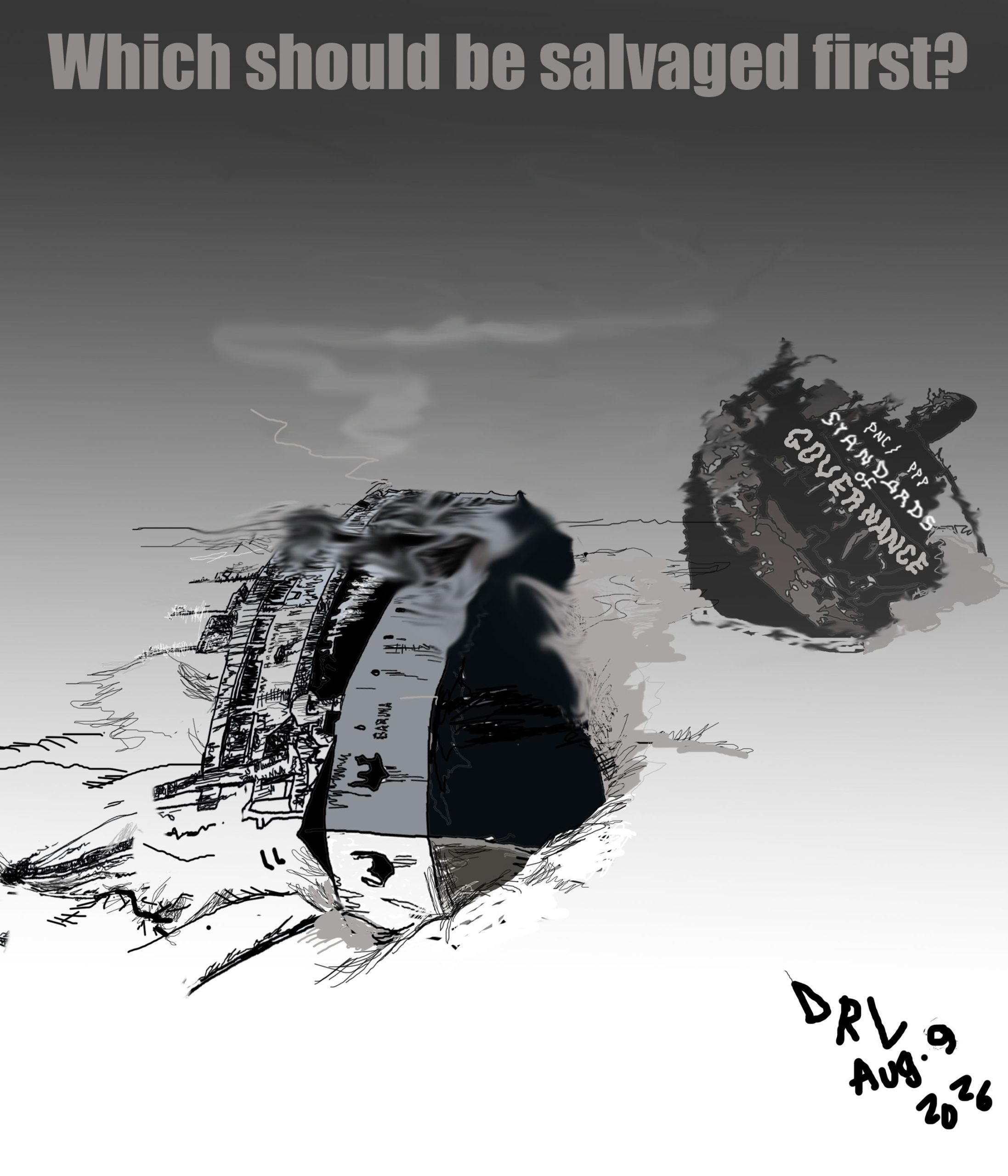
 The new and improved 2019 Standards of the Extractive Industries Transparency Initiative (EITI) have now made it more difficult for oil, gas, and mining companies to avoid public disclosure of their financial statements as well as the details of their payments to the government.
Before, EITI merely encouraged companies in the extractive sector to disclose such material information. But there has been little compliance. Considering this, the EITI has now made it a requirement for Guyana and other member states, to have companies operating within the jurisdiction, publicly disclose their audited financial statements or the main items (i.e. balance sheet, profit/loss statement, cash flows) where financial statements are not available.
Furthermore, the EITI said that countries implementing its Standards must ensure that all government entities receiving material revenues from oil, gas and mining companies, comprehensively disclose these revenues in accordance with the agreed scope. The international watchdog said that Government entities should only be exempted from disclosure if it can be demonstrated that their revenues are not material.
Unless there are significant practical barriers, EITI said that the government is additionally required to provide aggregate information about the amount of total revenues received from each of the benefit streams agreed in the scope of EITI implementation, including revenues that fall below agreed materiality thresholds. Where this data is not available, the Independent Administrator who prepares the country’s EITI report, will be required to draw on any relevant data and estimates from other sources in order to provide a comprehensive account of the total government revenues.
EITI also stated that all oil, gas and mining companies making material payments to the government are now required to comprehensively disclose these payments in accordance with the agreed scope. EITI said that a company should only be exempted from disclosure if it can be demonstrated that its payments are not material.
The EITI was careful to note that it requires disclosure of all material payments by oil, gas and mining companies to governments and all material revenues received by governments from oil, gas and mining companies to a wide audience in a publicly accessible, comprehensive and comprehensible manner. The expectation is that implementing countries will disclose the requisite information through routine government and corporate reporting (websites, annual reports, etc.), with EITI Reports used to collate this information and address any concerns about gaps and data quality.
As for the multi-stakeholder group which consists of government, industry and civil society members, EITI said the group is required to agree which payments and revenues are material and therefore must be disclosed, including appropriate materiality definitions and thresholds.
EITI said that payments and revenues are considered material if their omission or misstatement could significantly affect the comprehensiveness of the disclosures. Further to this, it articulated that a description of each revenue stream, related materiality definitions and thresholds should be disclosed.
In establishing materiality definitions and thresholds, EITI said that the multi-stakeholder group should consider the size of the revenue streams relative to total revenues. The multi-stakeholder group is also required to document the options considered and the rationale for establishing the definitions and thresholds.
EITI said that with the revenue streams, it expects to see disclosure on will include the host government’s production entitlement (such as profit oil), National state-owned company production entitlement, Profits taxes, Royalties, Dividends, Bonuses, Licence fees, rental fees, entry fees and other considerations for licences and/or concessions.
The international transparency body for the extractive sector said it expects that any other payments and material benefit to government should only be excluded where they are not applicable or where the multi-stakeholder group agrees that their omission will not materially affect the comprehensiveness of the government and company disclosures.
Share this:

Discover more from Kaieteur News
Subscribe to get the latest posts sent to your email.
Similar Articles

Blunt of the day
Sports

Features/Columnists

Sir. Ronald Sanders

The GHK Lall Column

Weekend Cartoon