Latest update October 4th, 2026 10:35 AM


Latest News
- Controversial U.S. company in running for Amaila hydro project
- 40 citizens, 4 organisations appeal EPA’s no-EIA decision on Kurupung uranium project
- Israeli air attack on Gaza City apartment kills at least five
- CANU finds uncustomed alcohol at Windsor Estates property
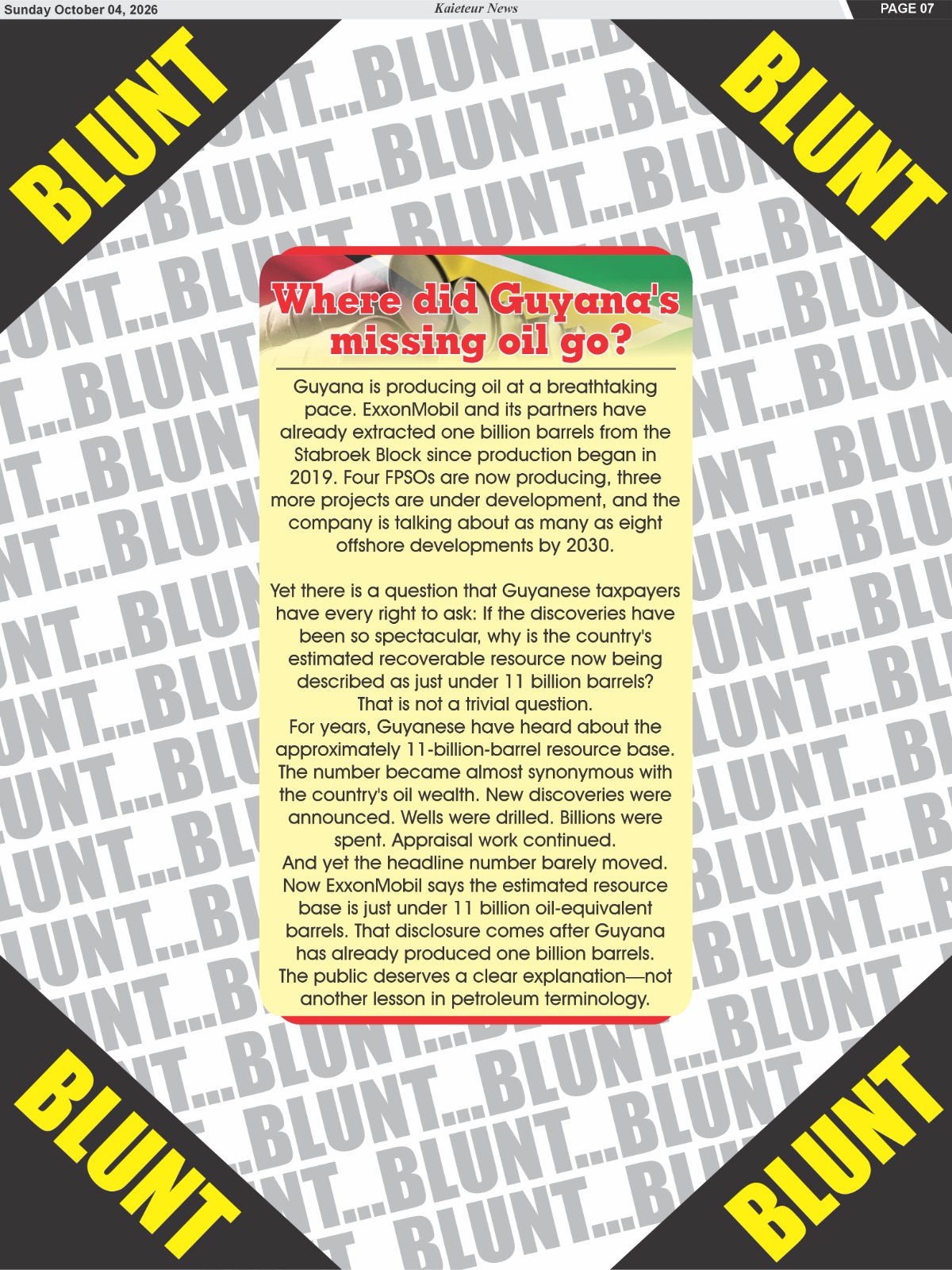
- Govt. still reviewing Exxon’s 8th Stabroek project
REGGAE – A GLOBAL CULTURAL TREASURE
For decades, Jamaica requested of the United Nations Educational, Scientific and Cultural Organization  (UNESCO) to have reggae music admitted to the protected list of global cultural treasures. That request was granted this week (reported extensively worldwide) when the Paris-based cultural agency of the UN declared reggae music as a traditional culture practice, which spread across the world with calls for social justice, peace and love around the globe. It was added due to its “intangible cultural heritage”.
In a statement, UNESCO said reggae music’s contribution to international discourse on issues of injustice, resistance, love and humanity underscores the dynamics of the element as being at once cerebral, socio-political, sensual and spiritual.
Reggae was described as a musical genre that emerged in the poor neighbourhoods of Kingston, Jamaica in the late 1960s. It reflected the “hard times and struggle” experienced by the poor and the oppressed in the country and became a global phenomenon. Its unprecedented explosion around the world remains a mystery that is yet to be unexplained.
It has influenced countless artists and people around the world and became a joyous dance music with its distinctive off beat which helped the poor to escape their suffering.
Reggae represents many social movements including the Rastafarian movement, the oppression of the Jamaican people, a united movement for Africa, and a host of other issues. Reggae is the heartbeat of Jamaica, a brand of music that is strongly identified with the country.
Reggae is a good way to examine the cultural, political and social development of the Caribbean society. It influences most of Caribbean literature and represents complex, but powerful artistic forces. Reggae artists are known in the Caribbean and elsewhere as some of the most astute poets and polemicists who are always striving to unshackle themselves from the oppression of the capitalist colonial powers of the day.
Understanding contemporary Jamaican life and literature, is to acknowledge reggae music as a cultural phenomenon that has engaged the spiritual, political, social, erotic, and racial dynamic of society. An understanding of the role of reggae music in the world today is to understand the complexity and reality of the popular culture in the late twentieth century.
Reggae’s irresistible style and its fundamental simplicity, originality and essentiality goes back to African roots. This means the music itself has a variety of levels that is unique and different than other music.
The thing, which makes the reggae music inimitable is the way how the performers are singing about good things with slow and calm sounds which make one relax. The music helps people to escape from their everyday life and to feel better and happier. Lyrics like “…everything’s gonna be alright” and “Better must come” are filled with hope and happiness and not worries or stress. In other words, reggae music helps people in distress to overcome or escape their problems.
Reggae music is Jamaica’s gift to the world; it came as a cultural bombshell not only to Jamaica but the whole world. It has influenced societies throughout the globe and has contributed to the development of new counterculture movements, particularly in Europe, the United States and Africa.
Reggae grew from an exceptionally rich musical culture and became infused with Rastafari philosophy and lifestyle, including the signature dreadlocks that have become the associated image. Its lyrics about love, redemption and natural living, which continue to captivate audiences worldwide are deeply linked with the Rastafarians. Few countries have had such a major impact on the global music scene like Jamaica.
Share this:

Discover more from Kaieteur News
Subscribe to get the latest posts sent to your email.
Similar Articles
Website Hits

Blunt of the day
Sports
Features/Columnists

Sir. Ronald Sanders

The GHK Lall Column

Weekend Cartoon