Latest update February 12th, 2026 12:35 AM
Feb 12, 2026 News
The Pan American Health Organization (PAHO) has issued an epidemiological alert following a sustained increase in chikungunya cases in several countries in the Americas since late 2025 and into early 2026. The alert also highlights the re-emergence of local transmission in areas that had not reported virus circulation in several years.
While this trend is consistent with expected patterns in areas where the Aedes aegypti mosquito vector is present, environmental factors such as extreme temperatures favour mosquito breeding. The persistence of the virus in endemic areas, along with the circulation of the Asian and East, Central, and South African (ECSA) genotypes, underscores the need for sensitive surveillance and a timely response.
“Chikungunya spread across the Americas in 2013, and after years of low transmission, we are now observing a resurgence, particularly in the Intertropical Zone where Aedes aegypti is present,” said Sylvain Aldighieri, Director of Communicable Diseases Prevention, Control, and Elimination at PAHO. “The purpose of this alert is to ensure that health workers and governments are prepared for potential outbreaks and can plan public information campaigns.”
PAHO recommends that countries strengthen epidemiological and laboratory surveillance to detect cases and outbreaks early, ensure proper clinical management–especially for vulnerable groups such as pregnant women, children under 1 year of age, older adults, and people with underlying health conditions—and intensify integrated vector management actions, including the elimination of mosquito breeding sites.
Chikungunya is a virus transmitted by Aedes aegypti and potentially Aedes albopictus mosquitoes, which also spread dengue, Zika, and other arboviruses. Infection can cause high fever and severe joint pain, often debilitating, along with muscle pain, headache, fatigue, nausea, and rash. Other, non-articular symptoms can range from mild to severe, with higher risk in children under 1-year, older adults, people with underlying health conditions, and pregnant women.
Chikungunya can also cause chronic joint pain, which may last from weeks to several months in about 60% of cases. There is no specific antiviral treatment; acute symptoms are managed with analgesics and antipyretics. High-risk patients should be assessed by health professionals for potential hospitalization and monitoring to prevent severe complications and fatalities.
Globally, between January 1 and December 10, 2025, a total of 502,264 chikungunya cases were reported, including 208,335 confirmed cases and 186 deaths, across 41 countries and territories. In the Americas, 313,132 cases were reported, of which 113,926 were confirmed, including 170 deaths in 18 countries and one territory during 2025. Regionally, total cases declined compared to 2024. However, several countries in South America and the Caribbean have reported increases in specific areas. Since late 2025, sustained rises have been observed in multiple countries and territories, including the re-establishment of local transmission in places that had been free of the virus for years. In Guyana, French Guiana, and Suriname, detections in 2025 and 2026 indicate the resumption of transmission after a decade without reported cases.
Genomic analysis in the Americas shows circulation of the ECSA genotype, with no detection of the A226V mutation associated with increased transmissibility by Aedes albopictus. The virus’ persistence in endemic areas and its reappearance in previously virus-free territories highlights the need for integrated surveillance and ongoing preventive measures. PAHO recommends that healthcare personnel include chikungunya in the differential diagnosis of fever and rash, along with measles and other arboviruses. Health facilities should ensure that staff are trained and equipped for accurate diagnosis, classification, and treatment.
Vector control teams are advised to intensify efforts to eliminate mosquito breeding sites in areas where cases are being reported, including within and around health facilities treating patients with chikungunya and other arboviral diseases. The public is encouraged to use repellents, bed nets, and clothing that covers arms and legs; avoid mosquito exposure in areas with active transmission (especially at dawn and dusk); and ensure rest and home care for patients with chikungunya under bed nets to prevent bites and further transmission. Community participation in eliminating mosquito breeding sites through simple measures, such as emptying, covering, or discarding containers that collect water, is also essential. These recommendations align with previous PAHO alerts and guidelines for clinical management and treatment of dengue, chikungunya, and Zika. PAHO will continue to monitor the situation and provide technical support to countries to strengthen surveillance, patient care, and vector management to mitigate the impact of these diseases in the region.
Subscribe to get the latest posts sent to your email.
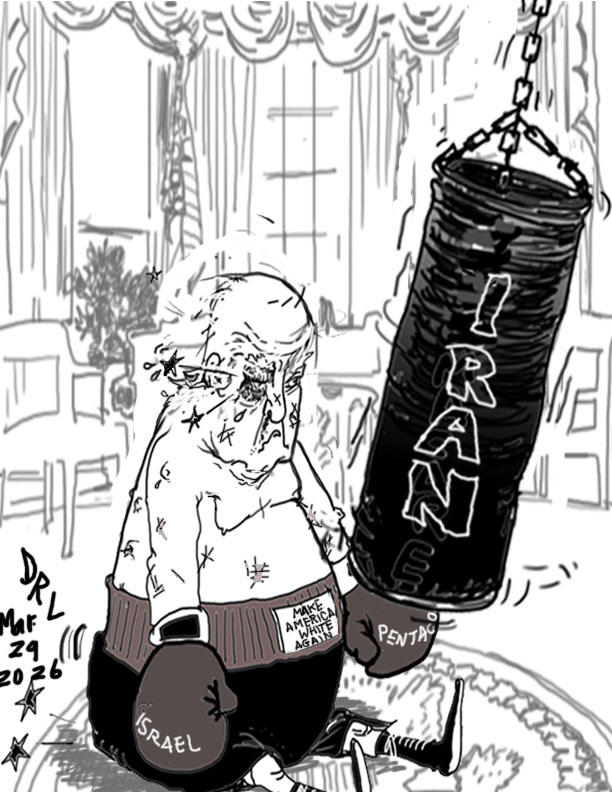
Your children are starving, and you giving away their food to an already fat pussycat.
Feb 12, 2026
ESPNcricinfo – Given all the pre-match hype about their 2016 encounters, this contest could well have been set up for a fall. Instead, all the chat about their T20 glory days inspired West...Feb 12, 2026
(Kaieteur News) – During the recent Budget debate, the PPPC reached back into history. It invoked the name of Forbes Burnham. It spoke of his political viciousness. It reminded the Opposition, and especially the WPA, of a dark time. It reminded them that Burnham did not merely defeat his...Feb 01, 2026
By Sir Ronald Sanders (Kaieteur News) – When the door to migration narrows, the long-standing mismatch between education and economic absorption is no longer abstract; a country’s true immigration policy becomes domestic — how many jobs it can create, and how quickly it can match people to...Feb 12, 2026
(Kaieteur News) – It is a reflection of the slowly accelerating rot that has taken over Guyanese life. When the highest, most sacred, most inviolable House in Guyana is reduced by the conduct of its members to a house of ill-repute, there is the first confirmation. Parliament profaned. ...Freedom of speech is our core value at Kaieteur News. If the letter/e-mail you sent was not published, and you believe that its contents were not libellous, let us know, please contact us by phone or email.
Feel free to send us your comments and/or criticisms.
Contact: 624-6456; 225-8452; 225-8458; 225-8463; 225-8465; 225-8473 or 225-8491.
Or by Email: glennlall2000@gmail.com / kaieteurnews@yahoo.com