Latest update July 30th, 2026 1:03 AM



Latest News
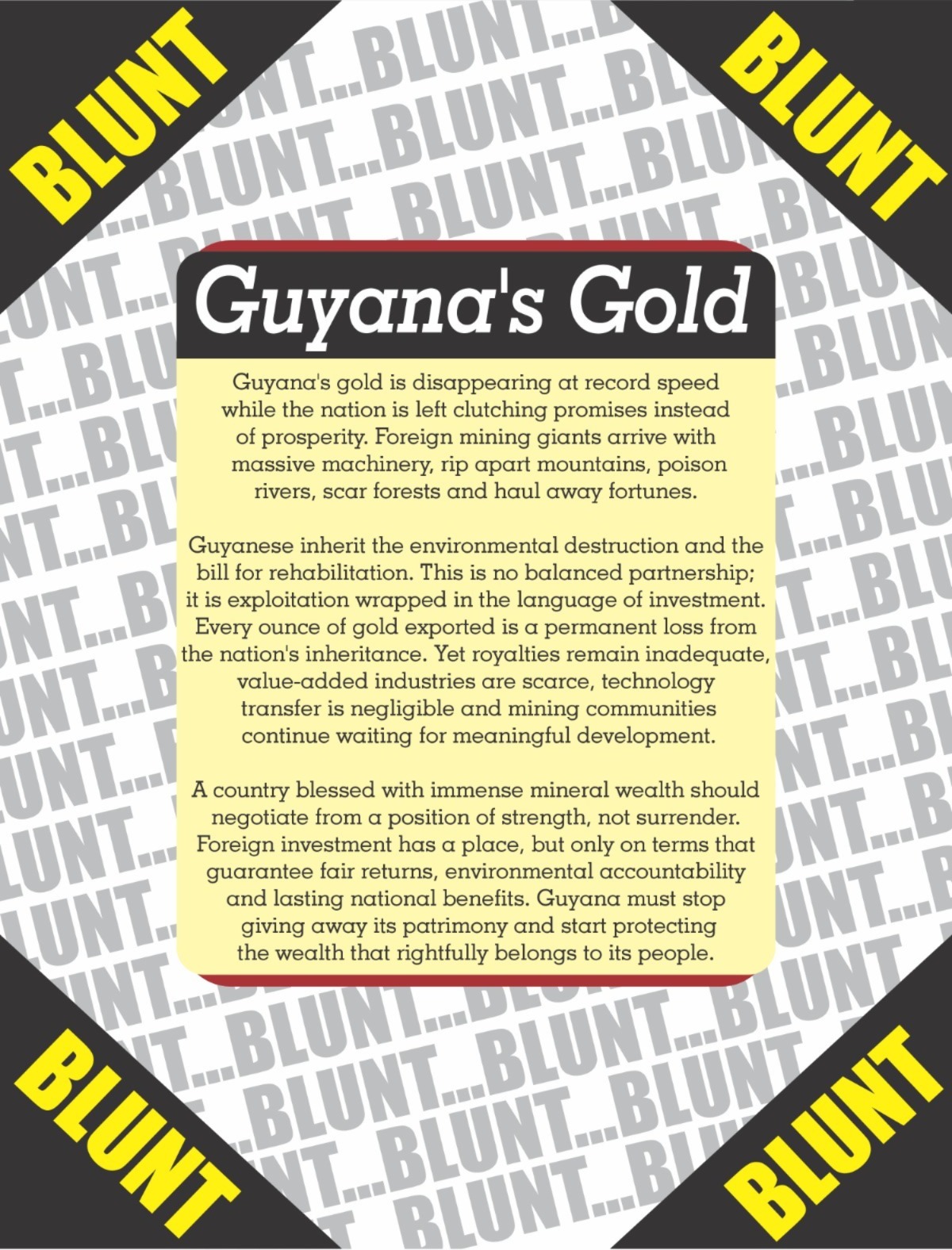
- Canadian firm pockets US$2.2B on Guyana gold field, country gets nothing
- ‘Indigenous people have suffered under ‘broken’ transport system for decades’ – APA’s Executive Director
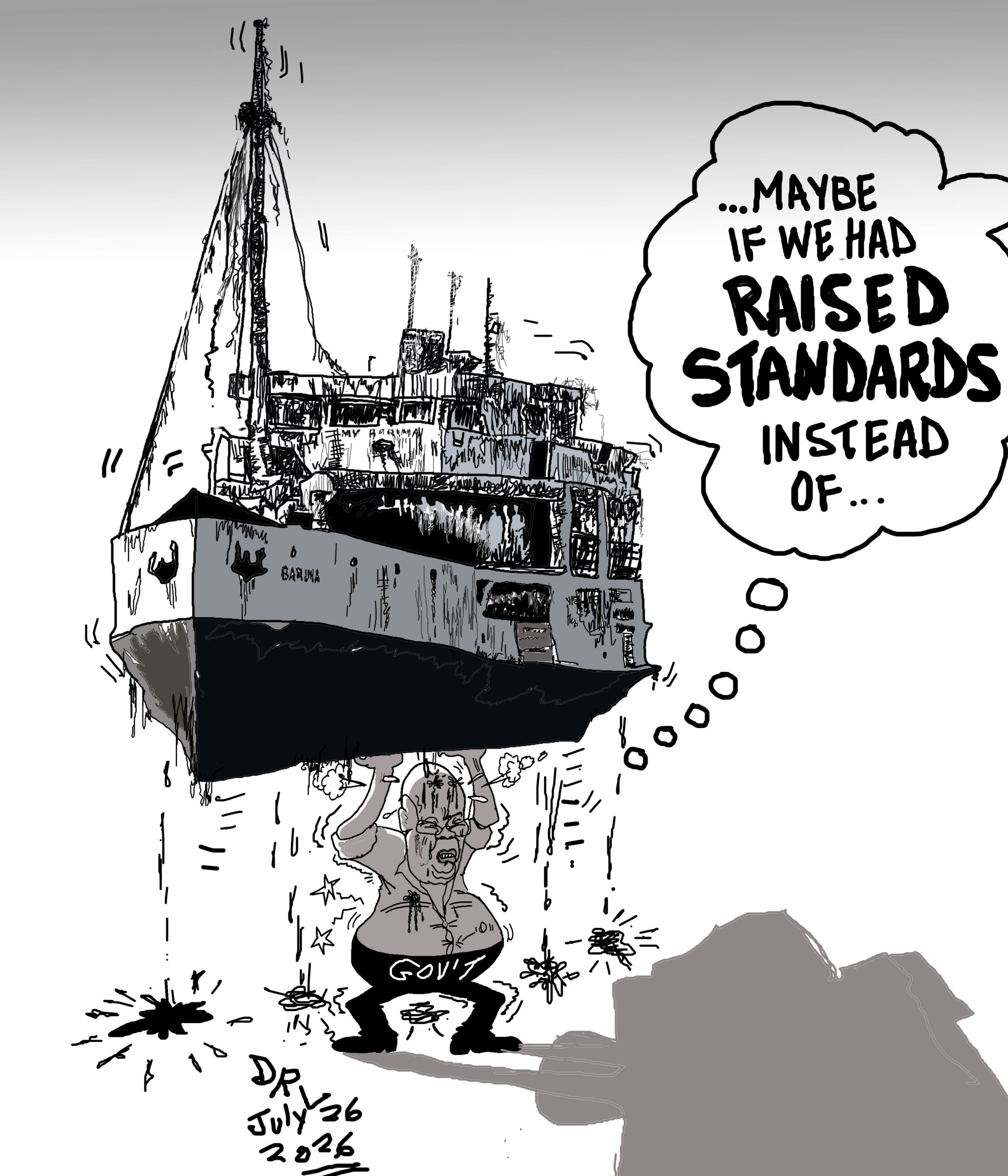
- Protests spread to Den Amstel, Melanie over arrest of MV Barima crew members
- Opposition mobilises lawyers, warns families against signing compensation documents in MV Barima tragedy
- Taxi driver killed after truck collides with car at Goedverwagting
Online spaces become the primary arena for racial and ethnic violations in Guyana – ERC Report
(Kaieteur News) – Statistical data released by the Ethnic Relations Commission (ERC) on Tuesday in its Newsletter for the period March 2025 to February 2026, reveals a shift in how ethnically sensitive conduct is manifested in Guyana.
According to the newsletter, digital platforms officially overtake physical gatherings as the primary source of complaints.
Compiled by the ERC’s Media Monitoring Unit (MMU) and its Investigative Unit, the newsletter was distributed to the public at the ERC’s National Symposium – “Guyana at 60: Unity, Diversity and the Path Forward” at the Arthur Chung Conference Centre (ACCC). The annual metrics outlines a changing landscape for regulatory oversight, particularly surrounding the general and regional elections period.
Digital space accounts for nearly 70% of all complaints
According to the ERC’s operational status profile, the commission recorded 84 total complaints during the reporting period, representing a decrease from the 100 cases recorded in the previous cycle. Despite the lower overall volume, online infractions saw an unprecedented surge while internet-linked complaints grew to 69.0% (58 cases) of the total caseload, up from 46.0% the previous year.
“Over the past year, the Media Monitoring Unit (MMU) monitored 669 matters, a significant increase from the 448 matters recorded during the last reporting period. It is worthy to note that 2025 was an elections year and it was expected that public discussion across media platforms would increase,” the newsletter said.
The MMU’s monitoring accounted for 60.7% of all flagged entries, compared to just 35.0% in the prior cycle. Conversely, public and external complaints dropped significantly from 62.0% to 34.5% with Region 4 remaining the primary physical locality for alleged violations, accounting for 22.6% (19 cases) of complaints, followed by Region 3 (4 cases), with Regions 2, 6, and unspecified areas accounting for 1 case each.
| ERC Complaint Indicators | March 2024 – February 2025 | March 2025 – February 2026 |
| Total Complaints Received | 100 | 84 |
| Internet-Linked Complaints Share | 46.0% | 69.0% |
| Media Monitoring Unit (MMU) Share | 35.0% | 60.7% |
| Public / External Complaint Share | 62.0% | 34.5% |
| Region 4 Share of Localities | 29.0% | 22.6% |
Typology and case resolutions
Racial discrimination remained the dominant complaint category handled by the commission, accounting for 56.0% (47 matters). Matters falling entirely outside the ERC’s mandate made up 25.0% (21 matters), followed by religious discrimination at 11.9% (10 matters), and ethnic discrimination at 6.0% (5 matters).
Procedurally, 44.0% (37 complaints) reached definitive outcomes during the period, while 56.0% (47 matters) remained active or pending at the cut-off point. The single largest segment remains pending sub-committee review at 32.1% (27 matters). The report attributes these unresolved files to downstream bottlenecks in legal review and non-responsive stakeholders.
Social media monitoring and election period surges
The ERC intensified its digital enforcement ahead of the September 1, 2025 polls, activating an official campaign monitoring programme from July 6 to August 31, 2025. While public gatherings showed relative restraint, online spaces saw elevated toxicity.
The commission issued 313 cautionary statements as warnings against ethnically offensive digital content. Stand-alone racial slurs were the most common infraction, tracking at 26% (83 instances), closely followed by intolerant, prejudicial, or insensitive remarks at 25% (77 instances). Racially hateful content accounted for 16% (51 instances). Notably, xenophobic statements fell sharply to 12 instances this year, down from 41 in the previous cycle.
During physical political campaign tracking, monitors covered 377 public meetings across nine regions, detecting 12 infractions. These field infractions spanned diverse political entities: APNU accounted for 5 cases, the PPP/C for 4 cases, and AFC, WIN, and WPA recorded 1 case each.
The release of these statistics served as a backdrop at the ERC’s National Symposium, where political leaders and international delegates marks the 60th milestone anniversary of Guyana’s political independence by debating the true parameters of national unity.
Dr. Ashni Singh, Minister within the Office of the President with Responsibility for Finance, praised the constitutional legacy of the ERC and pointed to structural data as evidence of institutional fairness. Dr. Singh reported that the Irfaan Ali administration has successfully slashed the national unemployment rate from 12.8% in 2020 to 6.8% in 2024, creating 104,000 new jobs.
“… President Ali has adopted as the special theme of his presidency ‘One Guyana’ intending to highlight and to emphasise, to highlight in the first instance our oneness and to build on this oneness and like I said leverage on this oneness to ensure that in this particular era in our country’s development that every single Guyanese person is able to participate in, contribute to and indeed benefit from the economic transformation that is on the way,” Dr. Singh said.
Furthermore, youth unemployment dropped from 30.2% to 12.1% over the same window. He insisted that social policies, such as the universal $85,000 Because We Care cash grant and the forthcoming SME Development Bank, are purposely structured without eligibility means-tests to ensure seamless, cross-ethnic deployment to all regions.
Opposition demands systemic, regular metrics
Conversely, Opposition Chief Whip Tabitha Sarabo-Halley of the We Invest in Nationhood (WIN) party emphasised that deep-seated perceptions of economic exclusion persist.
“The important point is this: if African Guyanese feel left behind, if poor Indo-Guyanese feel left behind, and if Indigenous Guyanese feel forgotten, then perhaps the challenge before us is larger than the grievances of any one community.”
Sarabo-Halley argued that a mature society must move past anecdotal grievances and look strictly to empirical findings. She called on the ERC to fully execute its research powers by outputting a comprehensive Ethnic Relations Report every five years tracking employment patterns, business ownership, and state service access across ethnic cohorts. She highlighted that over 110,000 voters backing alternative political movements outside the traditional divide signifies an emerging cross-ethnic political baseline.
International frameworks
United Nations Resident Coordinator, Jean Kamau, framed the discourse within global human rights protocols like the Durban Declaration. Highlighting constitutional and integration adjustments implemented in Kenya following its 2007 post-election structural crisis, alongside Canada’s institutionalization of multiculturalism, Ambassador Kamau noted that cohesion cannot be built accidentally.
“Just as many rivers flow through a common landscape, so too do many histories, cultures and identities contribute to the story of this nation. Yet, diversity alone does not automatically create cohesion. Social cohesion is about the horizontal group between us, the strength of relations, trust and solidarity among individuals and groups within a society,” the UN Resident Coordinator said.
She reaffirmed that transparent processes regarding resource allocation and governance frameworks remain the definitive factor in transforming ethnic diversity into national stability.
Share this:

Discover more from Kaieteur News
Subscribe to get the latest posts sent to your email.
Similar Articles

Blunt of the day
Sports
Features/Columnists

Sir. Ronald Sanders

The GHK Lall Column

Weekend Cartoon