Latest update October 7th, 2026 10:30 AM


Latest News
- US$214M audit dispute with Exxon now before ICC
- Suriname rejects 384.8 tonnes of Guyana rice over missing import approval
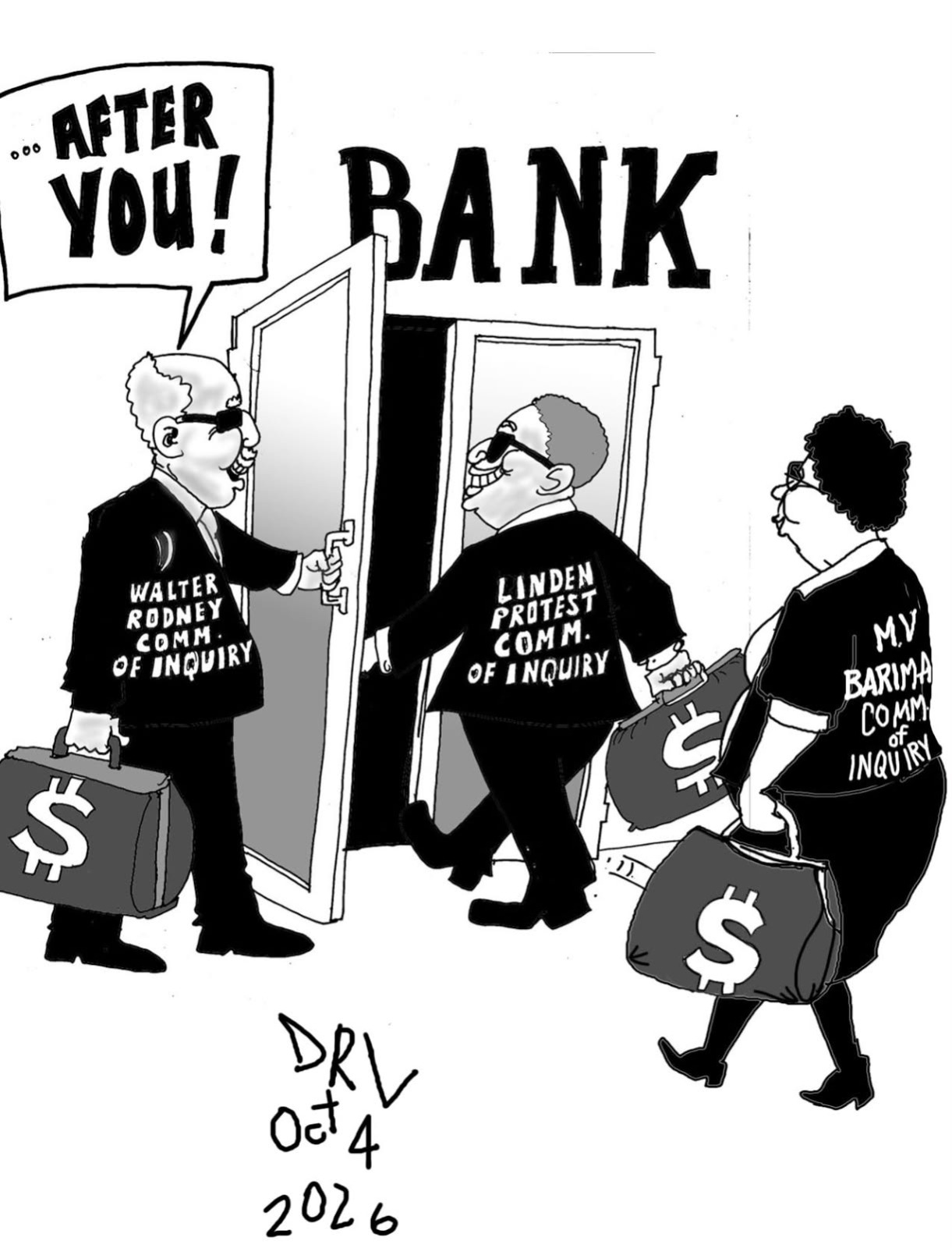
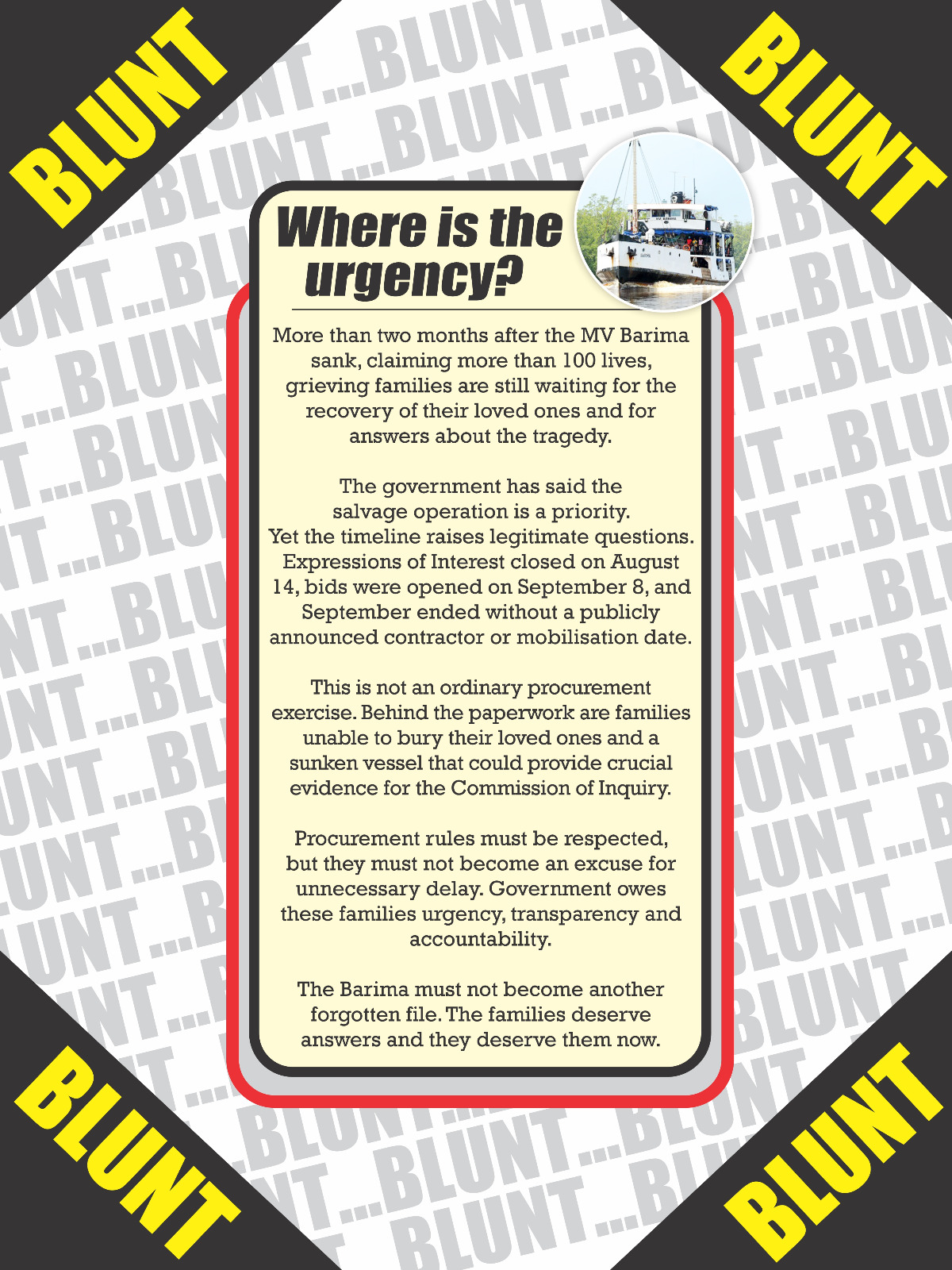
- MV Barima CoI to last 6 months amid boycotts, protest over unsalvaged vessel
- President’s Lawyer admits reporting Opposition Leader’s page before meta suspension
- Rodrigues-Birkett stands by Gaza ‘genocide’ remarks
Abolish SBAs
(Kaieteur News) – It would not be unusual for it to be discovered that students sitting CSEC and CAPE examinations are using Artificial Intelligence (AI) to complete their School Based Assessments (SBAs). Technology is now a normal part of students’ lives. Many students have access to smartphones, computers, and the internet. AI tools are becoming easier to use. They can generate essays, summaries, and answers in seconds. Because of this, it is reasonable to expect that some students are using these tools to assist with their SBAs.
This is not just speculation. One government official has already admitted that students are using AI in this way whether or not educators want to say so. That admission gives weight to the concern. Students often look for ways to improve their grades and reduce their workload. AI offers both. It can help students produce work that appears polished and well structured. However, this raises serious questions about fairness and authenticity.
It is well known that once a student performs very well on their SBAs, they are almost guaranteed a passing grade. The SBA component carries significant weight in the final score. A student who earns high marks in their SBAs would have to perform disastrously in the final written examination to actually fail the subject. This means that SBAs can heavily influence the final outcome.
Because of this, students are under strong pressure to do well in their SBAs. They may seek help from teachers, parents, or tutors. Now, they may also turn to AI tools. The problem is that when outside assistance becomes too significant, it becomes difficult to measure the student’s true ability. If a student submits work that is partly created by AI, then the grade awarded may not reflect the student’s own knowledge or skills.
This creates uncertainty about the effectiveness of the examination system. Examinations are supposed to measure what students have learned. They should reflect individual effort and understanding. However, if SBAs can be heavily influenced by outside help, then they may not be reliable indicators of student performance. The line between genuine work and assisted work becomes blurred.
The use of AI makes this problem even more serious. AI can produce responses that sound intelligent and well developed. Teachers may find it difficult to detect whether a piece of work was created by a student or generated by a machine. This makes it harder to ensure fairness across the system.
As a result, we cannot be fully confident that SBAs and final examinations together provide an accurate measure of student ability. If a large portion of a student’s grade comes from work that may not be entirely their own, then the final result may be misleading. This undermines the credibility of the entire assessment process.
Given these concerns, the Caribbean Examinations Council should seriously consider abolishing the SBA component of its examinations. Written examinations could serve as a more controlled and fair method of assessment. Exams are completed under supervision. This removes the chances of outside assistance. It ensures that each student is tested based on their own knowledge and skills.
There is another strong reason to consider removing SBAs, even if AI were not an issue. The number of SBAs that students are required to complete is often very high. Students may have to complete SBAs for several subjects at the same time. Each SBA requires research, writing, and preparation. This creates a heavy workload.
This workload can place students under tremendous physical and mental pressure. Many students spend long hours trying to complete their assignments. They may sacrifice sleep and rest in order to meet deadlines. This can lead to stress, fatigue, and anxiety. In some cases, it can even affect their health.
Education should not come at the cost of a child’s well-being. Students need time to rest, to think, and to truly understand what they are learning. When they are overwhelmed with assignments, their ability to learn may actually decrease. They may focus more on finishing tasks than on understanding the material.
The pressure from SBAs can also reduce the time available for exam preparation. Students may feel stretched in too many directions. This can affect their overall performance. Instead of supporting learning, the system may be creating unnecessary strain.
In the interest of students’ health and fairness, it may be better to simplify the assessment system. Written examinations, while not perfect, offer a clearer measure of individual performance. They are conducted under the same conditions for all students. This helps to ensure fairness and consistency.
(The views expressed in this article are those of the author and do not necessarily reflect the opinions of this newspaper.)
Share this:

Discover more from Kaieteur News
Subscribe to get the latest posts sent to your email.
- AI tools, CAPE, CSEC, Peeping Tom, SBA
Similar Articles
Website Hits

Blunt of the day
Sports

Features/Columnists

Sir. Ronald Sanders

The GHK Lall Column

Weekend Cartoon