Latest update July 31st, 2026 12:35 AM



Latest News
- Bloomberg reports: Oil curse hanging over Guyana’s head
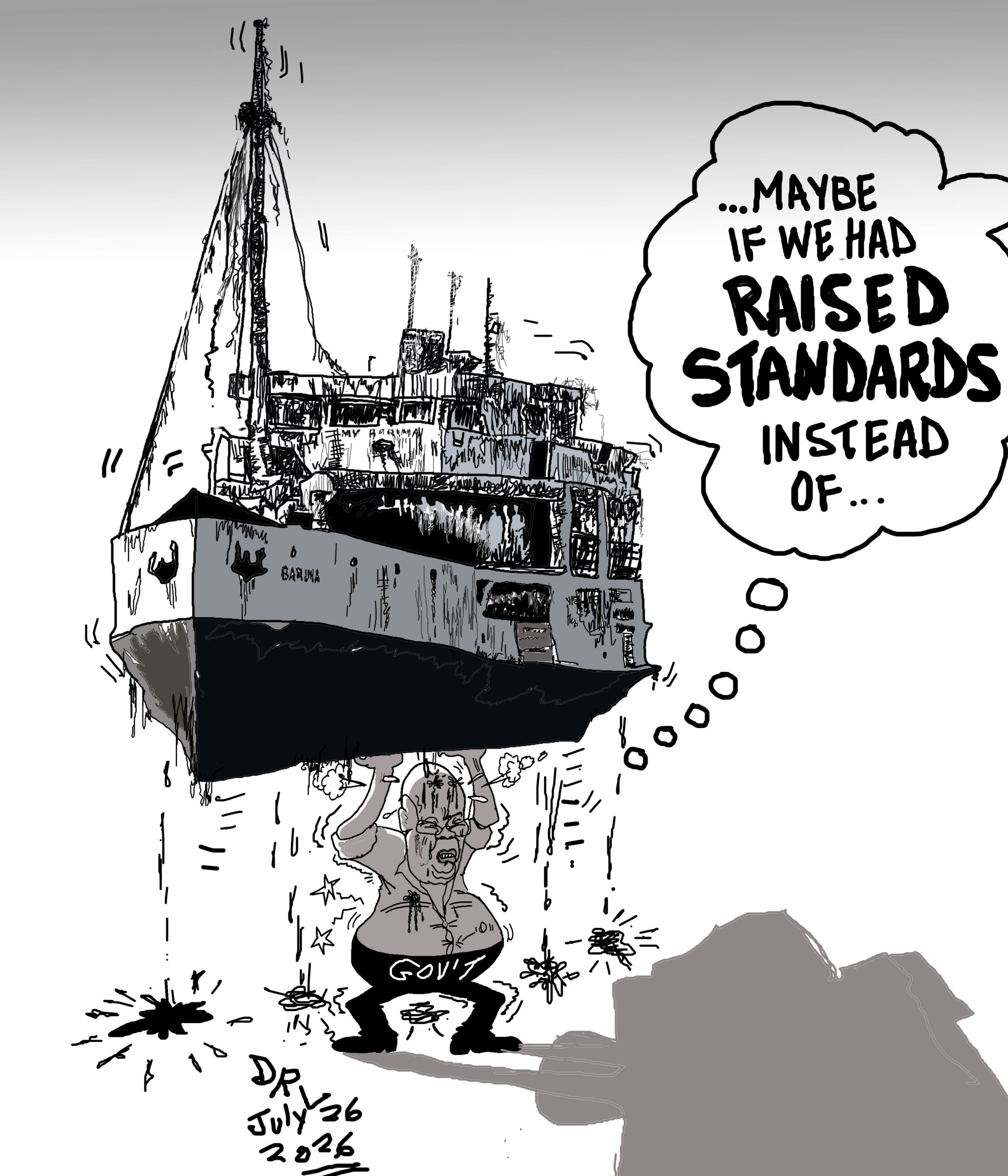
- ‘You can’t have both’ …Todd challenges parallel COI, murder prosecution of MV Barima crew
- Pres. Ali dodges media
- ‘Seaworthiness of MV Barima was MARAD’s responsibility, not charged crew’s’ – Dr. Todd
- ExxonMobil to conclude another exploration well next month
Mind Your Business: Poverty and the Psychology of Scarcity
…How Economic Hardship Shapes Decision-Making and Stress
By Dr. Eon Andre George, PhD, EdD
(Kaieteur News) – When poverty is discussed, the focus is usually on money: income, employment, and the rising cost of living. Psychology, however, asks different questions. What does financial strain do to the mind? How does constant economic pressure shape the way people make decisions, handle stress, and view the future? These questions move the conversation beyond dollars and cents and into the human experience behind them.

Dr. Eon Andre George, PhD, EdD
Economic hardship is not only a financial condition; it is also a mental and emotional one. It influences how people think, plan, react to stress, and imagine what tomorrow might look like. When resources are limited, the brain must constantly calculate and re-calculate priorities. What gets paid now? What can wait until next month? Which need is urgent, and which one must be postponed again?
Because of this, the mind is always juggling trade-offs. Although this process is rarely visible from the outside, it is mentally draining. Financial pressure, therefore, does not only stretch a budget; it stretches attention, patience, and emotional energy as well.
Psychologists explain this using scarcity theory. Research shows that ongoing financial strain narrows mental bandwidth and pulls attention toward immediate needs (Mullainathan & Shafir, 2013). This is sometimes called a scarcity mindset. It does not mean a person lacks goals or discipline. Rather, it reflects a brain that is trying to secure the present before it can safely plan the future.
Seen this way, certain behaviors begin to make more sense. A late payment, a postponed plan, or a short-term decision may not always reflect poor judgment. Sometimes they reflect a person navigating pressure with limited mental space. Context does not excuse behavior, but it does explain it.
When the Mind Enters Survival Mode
As financial strain continues, the brain naturally prioritizes what feels urgent. Long-term goals still matter, but immediate concerns speak louder. For example, a parent choosing between repairing a vehicle needed for work and paying a child’s exam fees is not choosing carelessly. Both options carry weight, and both affect the future.
Making decisions like this repeatedly can exhaust mental resources. This is where another psychological idea becomes helpful: cognitive load. Cognitive load refers to how much information and stress the brain is managing at one time. When the load is heavy, focus, memory, and decision-making suffer. A person who seems distracted or indecisive may simply be carrying too much mentally.
Related to this is decision fatigue (Baumeister et al., 1998). After many high-stakes choices, mental energy declines. Just as muscles tire, so does the mind. Under such conditions, even small decisions can feel overwhelming.
The Emotional Side of Financial Pressure
Financial stress rarely stays confined to finances. It spills into emotions and relationships. Ongoing strain is linked to anxiety, irritability, and sleep problems (APA, 2022). Someone under pressure may react sharply or withdraw, not from attitude, but from a nervous system under strain.
Children often sense this atmosphere even when adults try to shield them. A student who hears regular worries about groceries or utilities may carry quiet concern into the classroom. Some young people respond by becoming helpers at home. Others become anxious about stability. These are human responses to uncertainty, not character flaws.
Strength in Shared Support
Yet hardship does not erase strength. One enduring feature of many communities is mutual support. A neighbor shares produce from a garden. A relative helps with books or uniforms. Someone sends a small contribution when they can. These acts may seem ordinary, but psychologically they are powerful. Research shows that social support reduces the mental toll of stress (Cohen & Wills, 1985). Long before psychology named it, communities practiced it. Shared burden often becomes shared resilience.
Supporting Minds Alongside Livelihoods
The deeper concern arises when scarcity becomes long-term. Prolonged strain can keep the body in a stress response that affects memory, focus, and physical health. This is why poverty is also a psychological and public-health issue.
Encouragement alone is rarely enough. Telling people to “push harder” overlooks the mental load they already carry. More meaningful support includes financial literacy, mentorship for youth, access to counseling, and teaching coping skills in schools and communities.
When the psychological side of hardship is recognized, conversations shift. Behavior is viewed in context rather than isolation. Poverty is not only about income; it is also about mental space, emotional strain, and the daily pressure of uncertainty.
A Closing Reflection
Scarcity does not define a person’s worth or intelligence. It describes a condition that places extra demand on the mind. Recognizing this invites more understanding and less judgment. Sometimes what looks like poor decision-making is actually someone doing their best under pressure. Looking beneath behavior often reveals effort, not indifference. And when understanding grows, empathy often follows. That empathy can strengthen families, schools, and communities.
Share this:

Discover more from Kaieteur News
Subscribe to get the latest posts sent to your email.
Similar Articles

Blunt of the day
Sports

Features/Columnists

Sir. Ronald Sanders

The GHK Lall Column

Weekend Cartoon