Latest update August 2nd, 2026 12:45 AM



Latest News
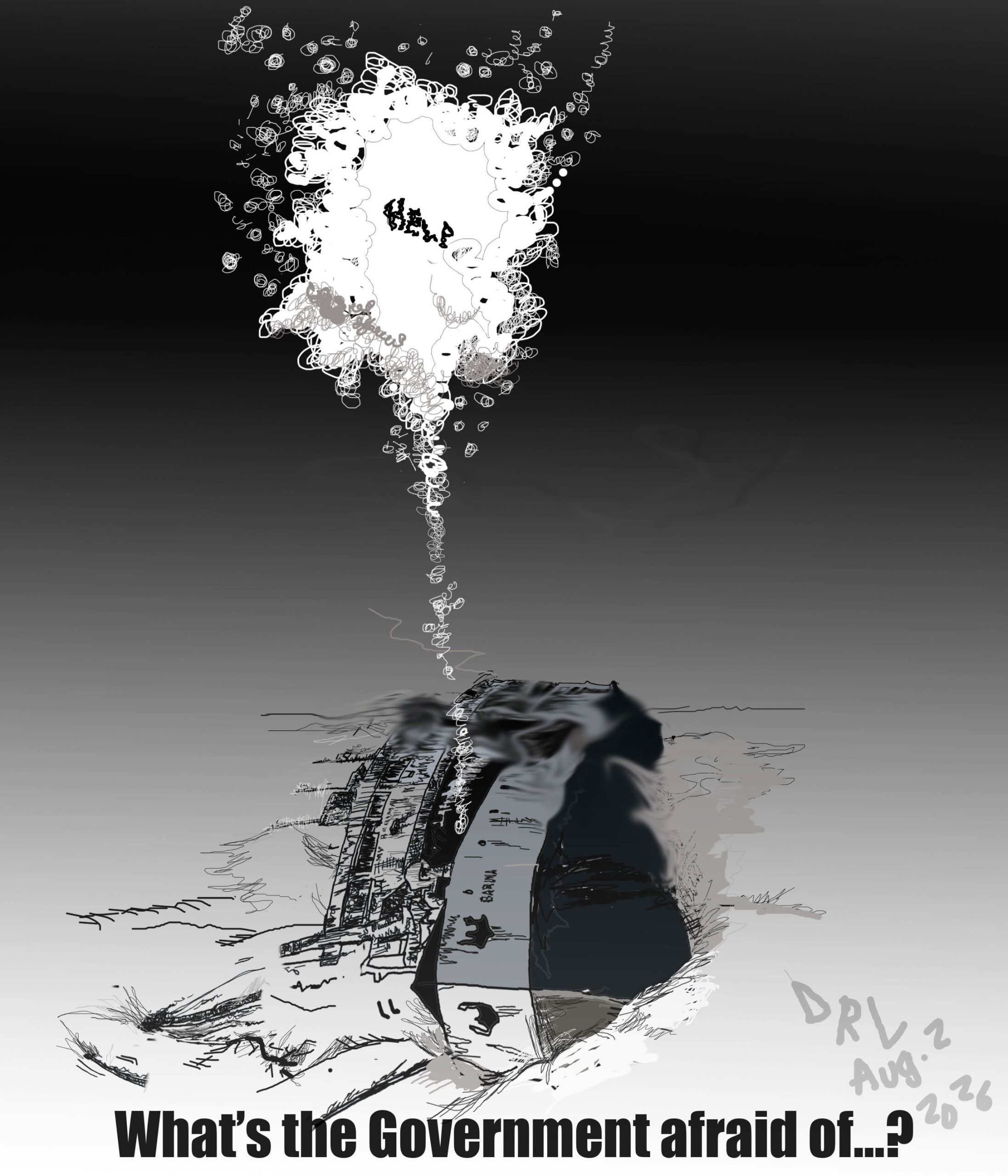
- Govt. backs down on Barima memorial plan
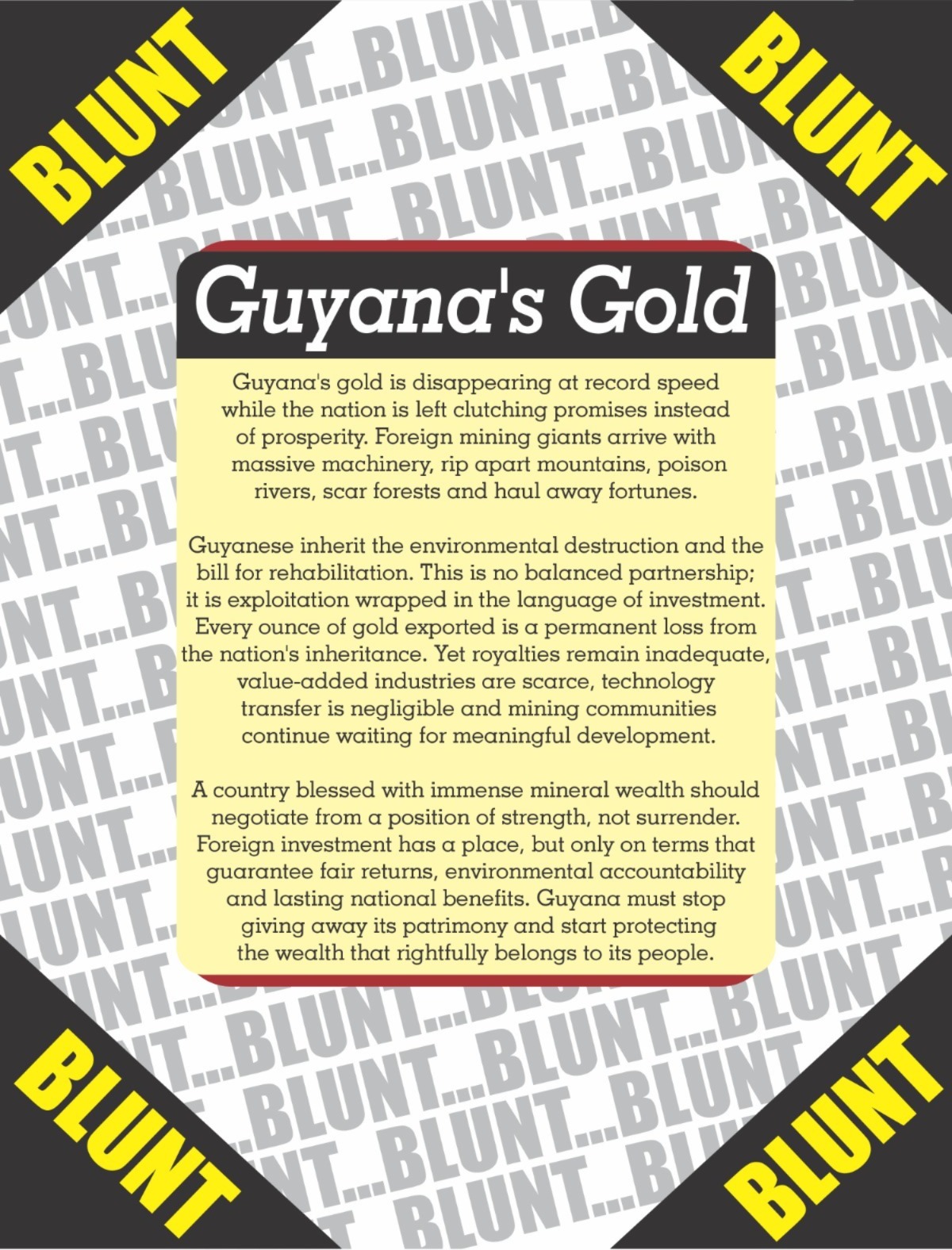
- ‘Billions flow overseas while Guyana gets nothing’ – Glenn Lall says in fresh broadside against gold deals
- “Bones, not concrete’: Families of Barima victims demand their dead
- Israeli strikes kill four across Gaza, destroy medical supply warehouse
- Oil’s curse is hanging over the World’s fastest-growing economy – Bloomberg report
OP:ED – Cuba and the Moral Cost of Global Silence
By Alicia Nicholls
(Kaieteur News) – We are barely into the second month of 2026, and already it feels as though the world has shifted beneath our feet. The pace of global change, or even upheaval, has driven many to tune out the news altogether. Yet here in the Caribbean we should not look away from what is unfolding in one of our neighbouring island states, Cuba.
For decades, Cuba has been more than a steadfast friend to the anglophone Caribbean. It has granted scholarships to our students to study medicine and other disciplines at its universities. It has provided health care to our citizens, sent doctors and nurses to assist us during the COVID-19 pandemic, sent soldiers to fight in anti-colonial struggles, and stood with countless countries globally in moments of crisis.
Following the Cuban Revolution of 1959 and since 1962, Cuba has been under a comprehensive US trade and economic embargo. Over time, these sanctions have been tightened, loosened and tightened again. They extend beyond US-Cuba bilateral trade, with the US seeking to apply it extra jurisdictionally to third countries and companies that do business with the island by leveraging its control of the global financial system as the world’s reserve currency. For a small island nation of roughly 11 million people and some 110,000 square kilometers, this has meant decades of restricted access to many goods, services and investment.
While no government is without fault and there have been some governance challenges and restrictions on political freedoms, it is impossible to ignore the structural pressure exerted by more than a half a century of economic isolation imposed by the world’s most powerful country. Despite its economic and political challenges, Cuba has achieved social outcomes that rival far wealthier nations. Its life expectancy is on par with that of the US, while its child mortality rate is lower than the US’ and many countries with significantly higher GDP per capita. These achievements reflect sustained investment in universal health care and education, policy choices in keeping with its socialist ideology which prioritises the social development of its people.
Today, however, Cuba faces an acute humanitarian crisis. On January 29, 2026, the US branded Cuba an “unusual and extraordinary threat” to its national security and foreign policy and has taken measures to further restrict the island’s access to essential supplies. Regular oil shipments from Venezuela have ceased following the US’ invasion and removal of President Nicolas Maduro from that country. Other countries, such as Mexico, which had been supplying oil have been met with US threats of economic retaliation, including tariffs.
This escalation in US aggression is particularly concerning because in a world which still depends on fossil fuels, oil is not a luxury. It powers ventilators in intensive care units serving sick patients and premature babies. It runs water systems and electric grids. It keeps lights on in homes. When fuel stops flowing, daily life begins to unravel. The result is widespread blackouts, queuing at gas stations, rationing of basic necessities, rising prices, and mounting strain on hospitals and households, prompting Cuban President Miguel Diaz-Canel to repeatedly condemn this latest escalation in US aggression, while maintaining Cuba’s openness to constructive dialogue. United Nations Secretary-General, Antonio Guterres, has warned of the humanitarian implications of this escalated US action. Starving Cuba of oil is to literally starve the Cuban people.
What is perhaps most troubling is the global silence, despite some perfunctory statements of solidarity made. Powerful nations have, thus far, stood by as Cubans endure growing shortages and hardship for daring to choose a governance model that does not accord with capitalist interests and for seeking to navigate an asymmetric international system on its own terms. It is, therefore, both unsurprising, but also deeply disappointing, that Caribbean countries, which were among the first to establish diplomatic ties with Cuba and each year call for the end of the unjust US embargo, have been largely silent on these latest aggressions. It could very well be that regional leaders are quietly behind the scenes using diplomatic channels to engage the US government and legislators on this. But we also know that Caribbean governments have reportedly faced threats, such as tariffs, visa restrictions and economic retaliation, and some being allegedly forced to stop sending their students to Cuba.
For small states, the calculation is stark, either speak out and face victimisation or be silent and shield your own citizens on whom you depend for electoral support from immediate harm. After all, if the more powerful countries lack the moral courage to stand up to the world’s most powerful country, who are we to do otherwise, right? But since when do we in the Caribbean determine our own morality by the actions of the most powerful? If the larger nations lack the courage to act, does that absolve us of our responsibility to come together and advocate for Cuba like we have done in the past?
Solidarity with the Cuban people is not optional, it is a moral imperative. Just like the ongoing genocide in Gaza, history will record and judge how the world responded in this moment. We as citizens are not powerless. We can push our governments to act. We can write, we can sign petitions, and we can organise to urge our leaders to engage bilaterally, and to advocate in regional and international fora. As individual governments we are limited, but by acting as a collective, we can advocate on behalf of Cuba, and for an end to this escalation and for the end of an embargo which has not only failed in its purpose but has only served to make the Cuban people stronger and more resilient.
Cuba has been a friend to us and to many around the world. It is our time, as a region and as a global community, to step up and be a friend to Cuba when it matters the most. Moral courage is neither easy, nor convenient, but necessary. The question before us is whether when this juncture in history is remembered, will we be able to say we raised our voices in solidarity with our hermanos y hermanas cubanos (Cuban brothers and sisters), or do we choose the ‘safety’ of silence. Whatever happens, I hope and pray that Cuba vencerá (Cuba will overcome).
(Alicia Nicholls, B.Sc., M.Sc., LL.B. is an international trade specialist and the founder of Caribbean Trade & Law Development Blog: www.caribbeantradelaw.com.)
Share this:

Discover more from Kaieteur News
Subscribe to get the latest posts sent to your email.
Similar Articles

Blunt of the day
Sports
Features/Columnists

Sir. Ronald Sanders

The GHK Lall Column

Weekend Cartoon