Latest update August 3rd, 2026 12:25 AM



Latest News
- 13 Canadian firms now have full grip on Guyana’s gold sector
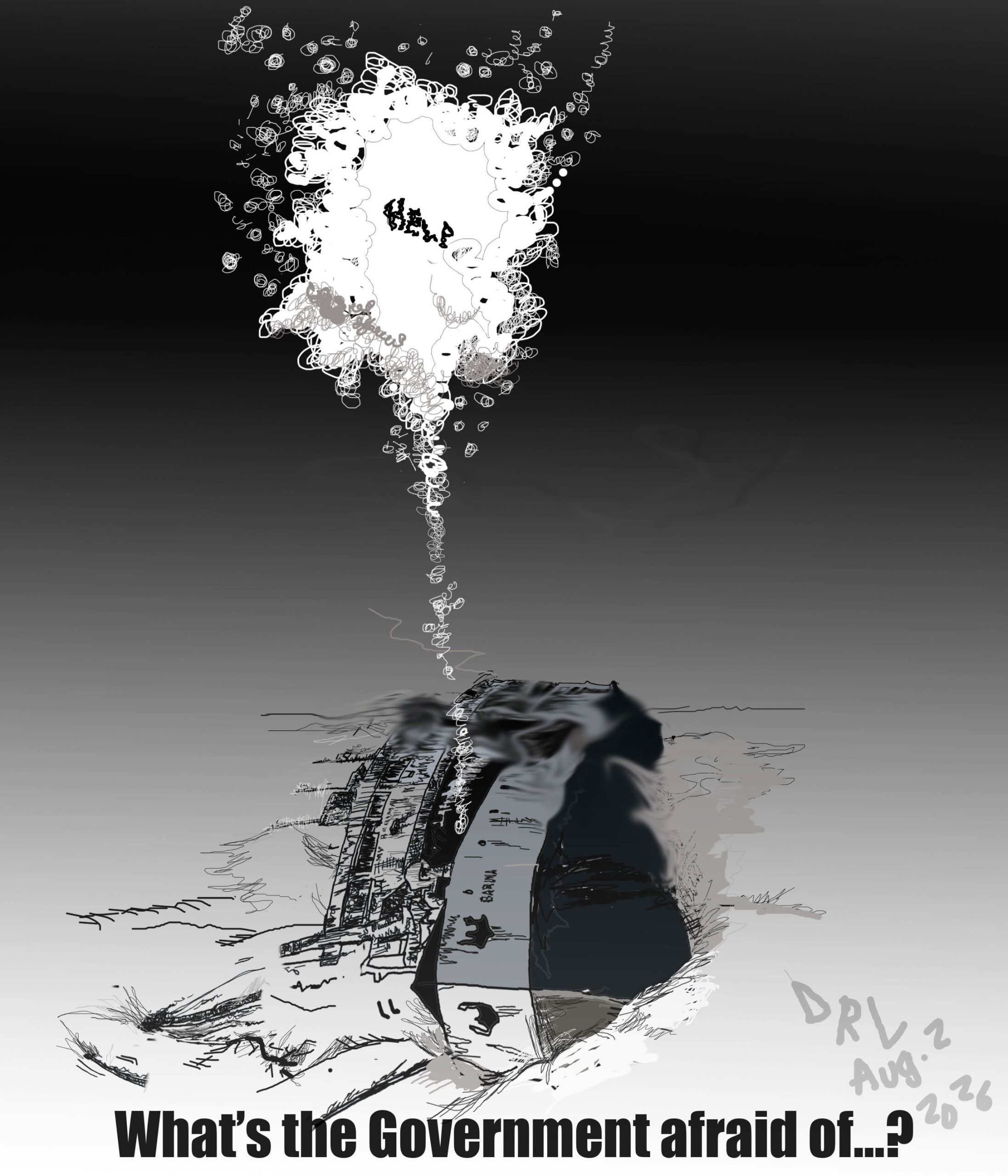
- ‘MV Barima salvage too urgent for lengthy tender process’ – Mahipaul urges Govt. to invoke emergency procurement powers
- Iran says negotiations with Oman over Strait of Hormuz in final stages
- Chinese businesses make additional donation to MV Barima relief efforts
- Australian firm unveils 75,000m drill programme for massive Reg. 7 gold project
Protecting health systems by reducing disaster risk: A call to invest in resilience
Four out of ten health facilities in Latin America and the Caribbean are exposed to natural hazards. As disasters become more frequent and destructive, public health systems must be ready to respond to and recover from them—ensuring the delivery of essential health services when they are needed most.
For the Pan American Health Organisation (PAHO/WHO), reducing service disruptions and minimising the loss of infrastructure due to disasters is a public health priority. The International Day for Disaster Risk Reduction—celebrated October 13— brings to light the growing impact of disasters and the need for preparedness to maintain continuity of care in health facilities. PAHO joins this year’s theme: “Fund Resilience, Not Disasters,” and calls for decisive action to make early investments in preparedness to avoid far greater losses down the road.
Between 2000 and 2022, disasters like hurricanes, volcanic eruptions, and earthquakes impacted more than 190 million people in the Americas. While some facilities built after 1980 were constructed to resist earthquakes, the majority do not consider the effects of climate change. In addition, the COVID-19 pandemic made it clear how service disruption can affect communities, especially in remote areas.
PAHO’s Resilient Hospital Initiative, in its second year of implementation, exemplifies how disaster risk reduction is being applied in practice. Under the initiative, participating Member States strengthen national policies, reinforce the structural safety of health facilities, and adopt environmentally sustainable technologies in a cost-effective manner—while building the coping capacity to provide critical functions. This ensures high-quality and continuous life-saving and essential services amid crises, while leaving no one behind. So far, the strategy has targeted over 250 hospitals in 13 countries. It is building upon a comprehensive Resilient Hospital Framework developed jointly with WHO/EMRO and over 500 professionals around the globe by highlighting a prioritised, risk-informed approach to resist, adapt, transform and learn from disasters.
Colombia, a champion of hospital resiliency, developed and launched a national policy to better shield hospitals from health emergencies and disasters. The policy, which focuses on adaptability and quick recovery, updates technical standards for healthcare infrastructure and risk management guidelines for hospitals. With PAHO/WHO support, 26 health facilities have begun strategically assessing risks. Evaluation teams are deployed to priority departments to document how health facilities can improve resilience. The cities of Bogota and Cali and the department of Huila are already incorporating health infrastructure resilience into broader disaster risk management and urban planning efforts.
Examples of resilient hospitals include backup power and water systems, reliable emergency management plans (including risk assessments, rapid response teams, simulation exercises), and staff training for multi-hazard scenarios. Effective design must account for climate risks and place critical resources in protected locations, while operational resilience is strengthened by stockpiling essential supplies and ensuring flexible supply chains.
PAHO’s Smart Hospital initiative in the Caribbean, which is supported by UKaid, has improved hospital resilience in over 70 health facilities in seven countries in the Caribbean. The sites that were retrofitted with Smart solutions in energy and water usage have seen between 30-60% in operational cost savings. Energy improvements—solar panels, electric storage batteries, and low-consumption electrical systems—are the major driver of savings and positive return on investment.
PAHO remains committed to helping countries in the Americas build safer, greener, and more resilient health systems—protecting both infrastructure and the well-being of entire populations.
Share this:

Discover more from Kaieteur News
Subscribe to get the latest posts sent to your email.
Similar Articles

Blunt of the day

Sports

Features/Columnists

Sir. Ronald Sanders

The GHK Lall Column

Weekend Cartoon