Latest update August 2nd, 2026 12:45 AM



Latest News
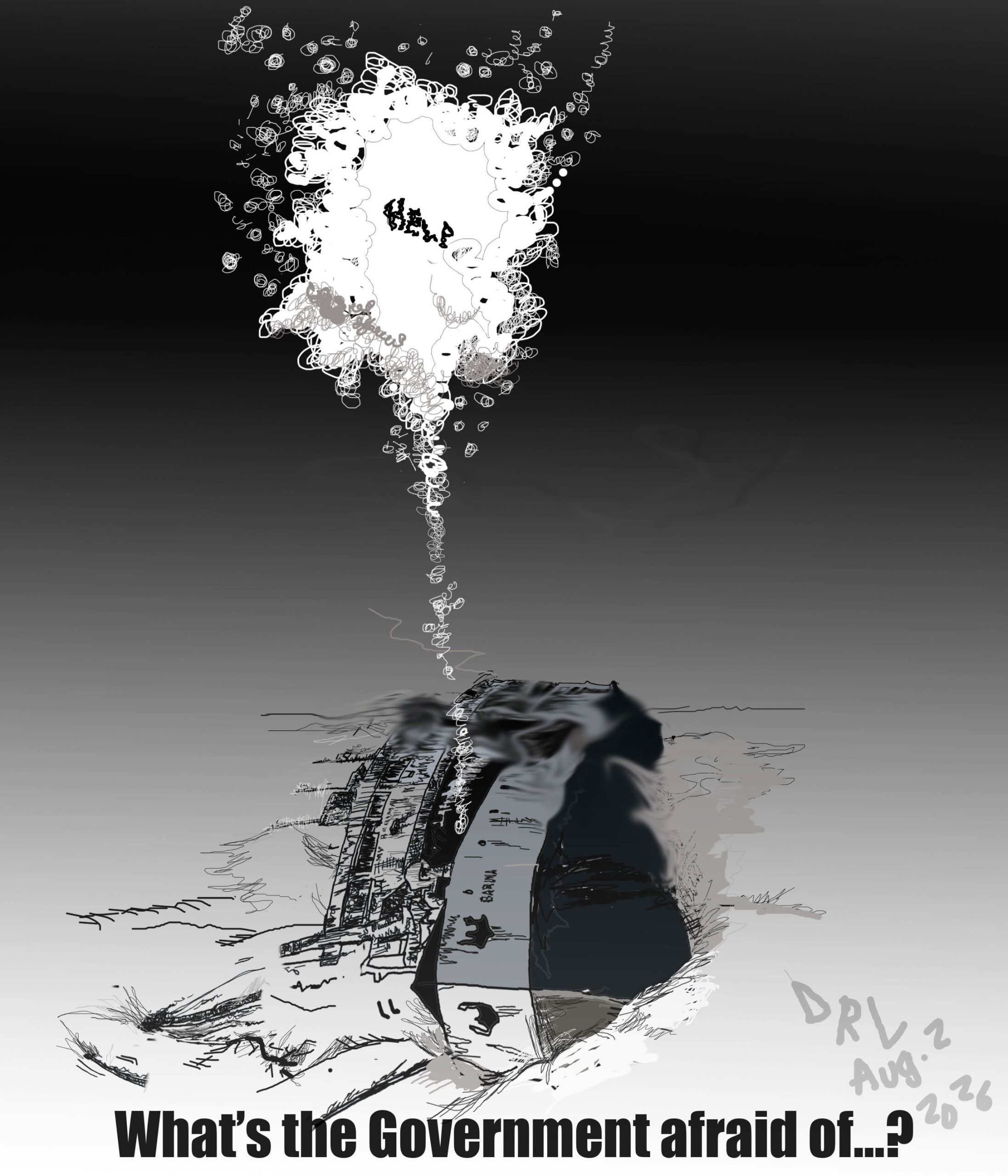
- Govt. backs down on Barima memorial plan
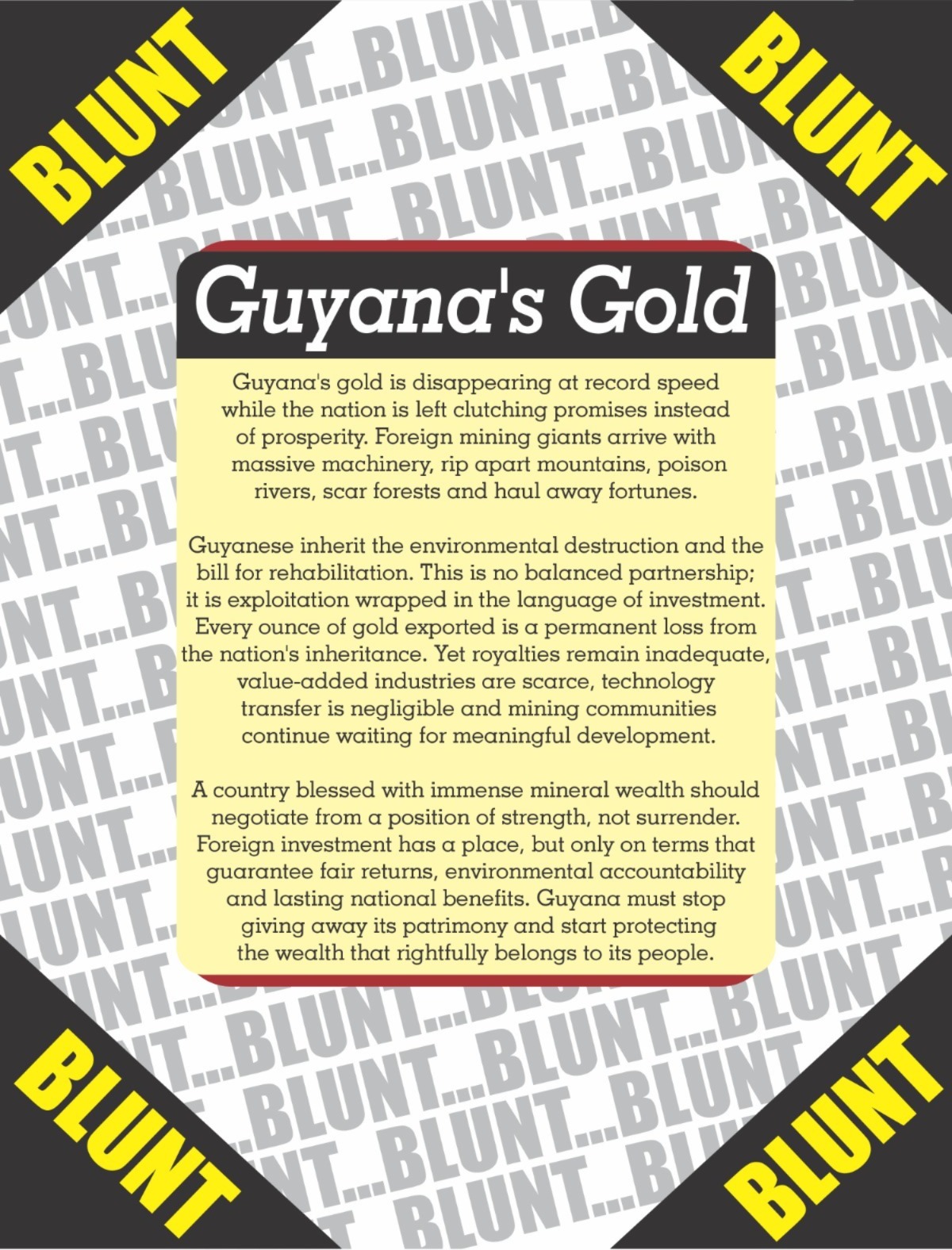
- ‘Billions flow overseas while Guyana gets nothing’ – Glenn Lall says in fresh broadside against gold deals
- “Bones, not concrete’: Families of Barima victims demand their dead
- Israeli strikes kill four across Gaza, destroy medical supply warehouse
- Oil’s curse is hanging over the World’s fastest-growing economy – Bloomberg report
AFC’s proposal for oil and gas sector tops APNU, WIN, FGM, PPP – Ram

Chartered accountant and attorney-at-law Christopher Ram
Kaieteur News – Chartered accountant and attorney-at-law, Christopher Ram has conducted an analysis of the oil and gas sections of the manifestos of five of the political parties contesting the 2025 polls. In his conclusion, he noted that the Alliance For Change (AFC) proposal comes out on top, followed by the A Partnership for National Unity (APNU), We Invest in Nationhood (WIN), then Forward Guyana Movement (FGM) – and at the bottom is the ruling People’s Progressive Party/ Civic (PPP/C).
Ram’s analysis was focused on what each of the party promises, what has been delivered, and which proposals stand up to scrutiny.
He noted that the electorate’s decision on Monday September 1, will determine whether Guyana continues with, “political control dressed up as reform, or whether it begins the hard work of building professional institutions and securing a fairer share of its oil wealth.”
Ram said that the electorate in 2020 punished APNU+AFC Coalition government for the lopsided 2016 Petroleum Sharing Agreement (PSA) governing the Stabroek block which is operated by American oil giant ExxonMobil.
“Civil society was relentless, and the Ali–Jagdeo ticket was brutal and emphatic. They pledged to review and renegotiate the Agreement. They would establish an independent Petroleum Commission. They promised better contract administration. Five years later, the debate has come full circle,” Ram noted.
Looking at the PPP, he stated that the party has taken a dual approach – a review, nay boast of its achievements and a promise of what is yet to come.
Ram highlighted that the PPP has highlighted its legislative action like the 2021 Natural Resource Fund Act, the 2023 Petroleum Activities Act to replace the archaic Petroleum Exploration and Production Act, and a new model Production Sharing Agreement (PSA) with improved terms compared to the Exxon deal.
“It boasts about US$3.1 billion in the NRF which is in fact overstated by the amount of taxes it has paid on behalf of the oil companies but which it refuses to disclose. Boasts about 1,000 local firms registered under the Local Content Act which it promised to revise since 2023 but did not. Then it conflates these with stalled progress on the Wales Gas-to-Energy project which is being done without a feasibility study or a disclosed cost,” Ram outlined.
Notably, he added, “Nowhere does the manifesto admit that none of these touch the 2016 deal that lies at the heart of the controversy. The government promised renegotiation in 2020 but never tried. Contract administration has been poor: no audit completed on time, the first audit mishandled, and relinquishment deadlines allowed to drift. The Petroleum Commission, once sold as a centrepiece of independent oversight, has been quietly abandoned.”
Further Ram said that even the NRF reform was shallow, outlining those transfers are set by a simplistic formula based on percentages of the fund’s balance, ensuring political control rather than professional management.
He noted that what the PPP/C calls reform is, “centralisation of power in the hands of politicians. It faces a huge trust deficit to explain the reality that its government campaigned as a reformer but governed as a dormouse and apologist.”
Ram stated that APNU has overlook its primary role in the 2016 PSA and has been, “annoyingly ambivalent about the Agreement and the PPP/C’s management of the oil sector for five years.”
He highlighted APNU’s promise to get a better deal within two years, an autonomous Petroleum Commission, professional advisory teams, fiscal rules to discipline savings and spending, and publication of all contracts – is the right principle.
He said that Guyana cannot rely on future agreements alone while the Stabroek PSA drains the treasury. Codified fiscal rules would add stability and protect future generations, Ram said.
Further, he noted that the challenge, is feasibility. “Exxon is unlikely to accept changes easily, and legal routes are narrow. APNU may risk overpromising, but it at least faces the reality of the 2016 deal and couples renegotiation with stronger institutions,” he noted.
Ram said that the AFC offers the most detailed timetable of within 30 days in office, it would initiate renegotiation and within 60 days establish a Petroleum Commission.
AFC also pledges to enforce ring-fencing, ban routine flaring and produced-water dumping, and require full liability insurance for spills. It also promises quarterly NRF reporting with civil society oversight.
“The manifesto’s strength is its seriousness about oversight and environment. By focusing on insurance and liability, it addresses the gravest risk – that a spill could cripple the country. Its emphasis on transparency and civil society participation aligns with international best practice,” Ram stated.
However, he noted that the weakness is ambition.
Ram explained that attempting renegotiation, regulatory reform, and NRF overhaul simultaneously may overwhelm capacity. “Yet of all the manifestos, the AFC’s is the most technically robust and grounded in the mechanics of sound petroleum management. These provisions bear the unmistakable hand of Dr. Vince Adams, arguably the most accomplished Guyanese petroleum environment specialist,” he stated.
For newcomer WIN, Ram noted that while WIN’s promises are not the most technically sound or complete set of policy proposals, the party relies on its appeal and offers a people-centred focus.
WIN has promised full publication of all extractive contracts, strict ring-fencing, and transparent monitoring of oil revenues. More strikingly, Ram noted is that WIN proposes a bold national wind and solar programme to complement gas-to-shore, reduce tariffs by up to 70%, and end chronic blackouts.
He said WIN’s vision and perceived authenticity seem to resonate with the ordinary voters.
“Households care as much about electricity bills and reliability as they do about royalty rates. Tying petroleum wealth to cheaper, cleaner power connects oil policy directly to daily life,” he said.
However, he noted that the weakness is feasibility. Ram explained that financing and executing such an ambitious renewable rollout will be difficult. Despite this, he stated that WIN adds a valuable emphasis on sustainability and transparency.
In relation to Forward Guyana, Ram noted that the party situates oil inside a broader governance reset – shared power, zero tolerance for corruption, audited NRF accounts, and movement toward a National Oil Company.
“It emphasises that without tackling corruption and exclusion, no resource management system will succeed,” he stated. This perspective, Ram said is valid. He highlighted that oil cannot be insulated from Guyana’s wider governance challenges.
“The weakness is that the manifesto offers fewer technical details compared with the AFC or WIN. But its central message – that petroleum governance is an offshoot of political governance – is important,” Ram said.
Share this:

Discover more from Kaieteur News
Subscribe to get the latest posts sent to your email.
Similar Articles

Blunt of the day
Sports
Features/Columnists

Sir. Ronald Sanders

The GHK Lall Column

Weekend Cartoon