Latest update October 3rd, 2026 10:20 AM


Latest News
- U.S. steps up pressure on China as firms battle for Guyana’s mega projects
- ExxonMobil goes deeper at Liza Two as hunt for more oil continues
- G7 countries agree on release of diesel and oil stocks after U.S. pressure
- Five remanded for murder of 23-year-old Corentyne labourer
- WIN MP resigns from parliament amid sexual misconduct investigations
Changing times
Kaieteur News – Guyanese politics is once again approaching a decisive juncture, with the election days away.
The ruling People’s Progressive Party (PPP), despite appearing to be a well organised unit, faces an electoral landscape that is rapidly changing.
It is clear, one year ago, it did not cater for the emergence of the WIN party, led by businessman, Azruddin Mohamed who is under U.S. sanctions. Mohamed was a close friend of the PPP not so long ago, but things have soured and undeterred by the weight of the sanction he continues in his national ambitions.
One thing for certain, he has injected a fresh dynamic into our politics. WIN’s public meetings are pulling thousands, across the country and its presence in the Amerindian communities, where the PPP for years dominated has been solid.
Mohamed’s rhetoric has captured disaffected voters across regions, and his mere presence is reshaping the debate on governance, accountability, and power.
The possibility of a minority government as is being predicted by many and even an informal poll is now very real.
For many Guyanese, weary of one-party dominance and the stagnation that comes with it, this prospect holds some promise. Alliance for Change (AFC) leader Nigel Hughes recently described such a configuration as the only way the citizens of this country might truly see parties compelled to work together in the national interest. His remarks ring true.
For too long, Guyana’s oil wealth, our once-in-a-lifetime opportunity to transform this nation has been managed with opacity and alarming unaccountability. Billions of U.S. dollars in revenues have entered state coffers, yet the people are left questioning: Where is the money? Why are our hospitals still underfunded? Why are our roads still crumbling? Why is the cost-of-living spiraling while ordinary workers remain stuck with stagnant wages? The PPP’s tenure has been marked by centralization of power, a lack of meaningful parliamentary oversight, and a refusal to engage with citizens beyond carefully orchestrated media spectacles hosted every week at Freedom House by Vice President Bharrat Jagdeo.
It is against this backdrop that WIN has gained traction. The crowds at its rallies are not simply an endorsement of the personalities involved; they are protesting the PPP and the PNCR’s failure to govern with transparency. They are a cry for an alternative. For many voters, WIN represents disruption, an untested vehicle that might fracture the stranglehold of the old guard.
Yet, we must also be clear-eyed. A minority government is no magic wand. It carries risks of gridlock, instability, and endless parliamentary wrangling, but the question before us is not whether a minority government is perfect; it is whether the current trajectory of majority rule is sustainable for a country on the cusp of an oil-fueled transformation.
The answer is increasingly evident: unchecked dominance by a single party has delivered opacity and squandered opportunities. A minority government, by contrast, would force negotiation. It would oblige the ruling party, whoever it is, to consult with other forces before passing budgets, before approving contracts, before making policy decisions of national consequence. It would give smaller parties leverage to demand transparency clauses, stronger oversight, and citizen-focused spending.
This is not merely speculation. Around the world, minority governments often produce surprising results. They temper arrogance. They instill humility. They encourage compromise. When no single party can ram through decisions, all parties are forced to justify their positions before both Parliament and the people. In our fragile democracy, such a system may in fact be healthier than the false stability of majority dominance.
Still, much depends on the caliber of leadership. The WIN party must show more than its ability to draw crowds. It must articulate clear policy positions on governance, on oil revenue management, and on social development. Its leader must address forthrightly the questions surrounding his international status and demonstrate commitment to building credible, transparent institutions. Popularity alone will not sustain it.
At the same time, established parties like the AFC and others in the opposition spectrum must recognise that their role in a possible minority configuration is not to play spoiler or opportunist, but to serve as vigilant guardians of the public purse and advocates for national unity. Guyanese citizens will have little patience for endless obstructionism. What they demand is cooperation, oversight, and above all, delivery of results.
Based on all the informal poll results and analyses, the political class must prepare itself for this possibility. Civil society too must ready itself to hold leaders accountable in a more fluid parliamentary environment. This is the second time first, the idea that the ruling party- PPPC could be reduced to a minority is within reach.
If we seize it wisely, a minority government could open the door to the kind of politics Guyana has long deserved: one where no single party rules unchecked, where collaboration is not a choice but a necessity, and where the people’s business finally takes precedence over partisan entrenchment.
The PPP may remain the dominant force in a two-way race, but it cannot ignore the rising tide of discontent. WIN’s surge is proof that Guyanese are ready to demand something different. Whether that “something different” takes the form of a minority government will be decided at the ballot box. What is certain is this: unchecked power has failed us. It is time to try accountability, even if it comes by way of political compromise.
Share this:

Discover more from Kaieteur News
Subscribe to get the latest posts sent to your email.
Similar Articles
Website Hits

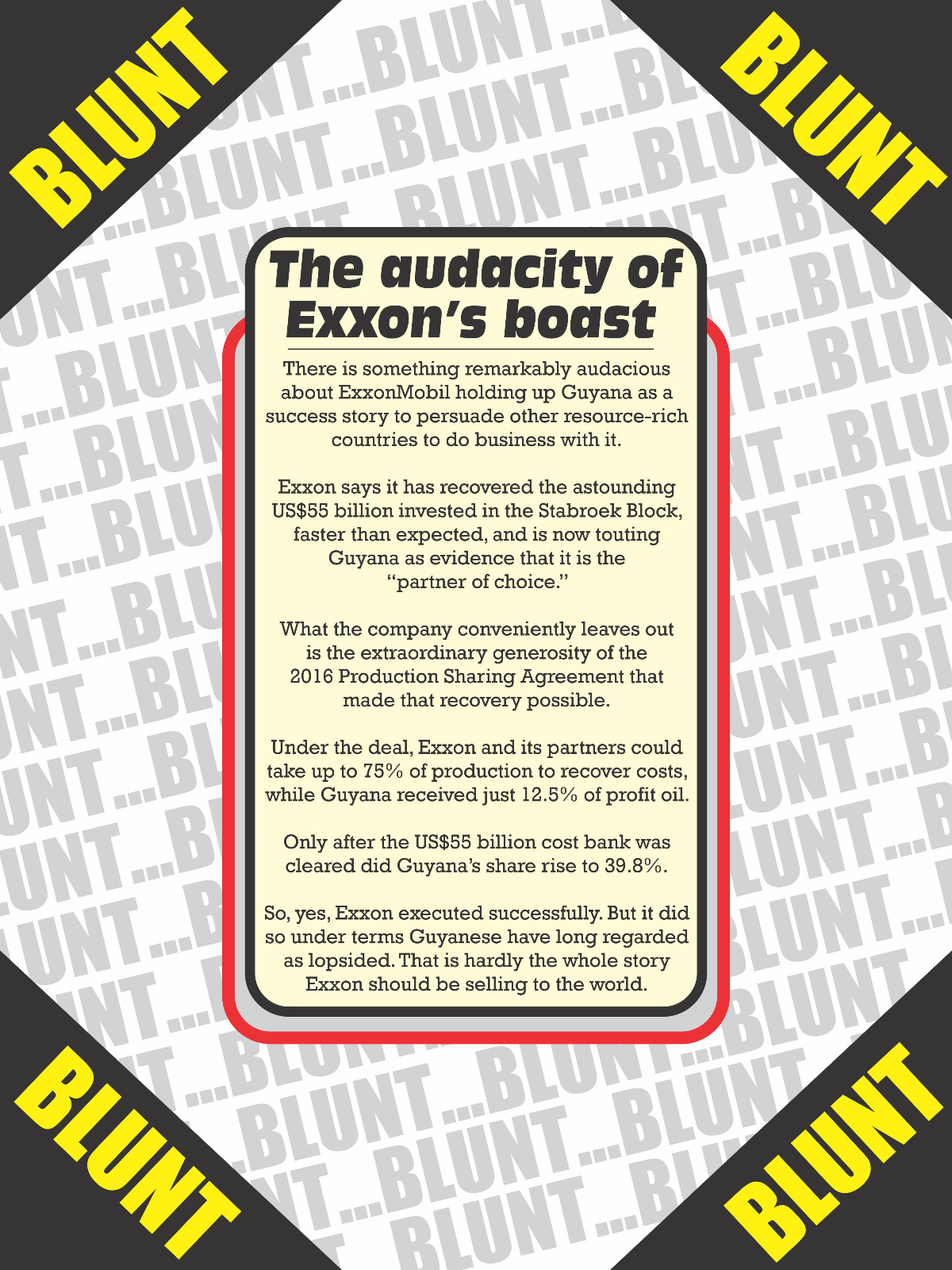
Blunt of the day
Sports
Features/Columnists

Sir. Ronald Sanders

The GHK Lall Column

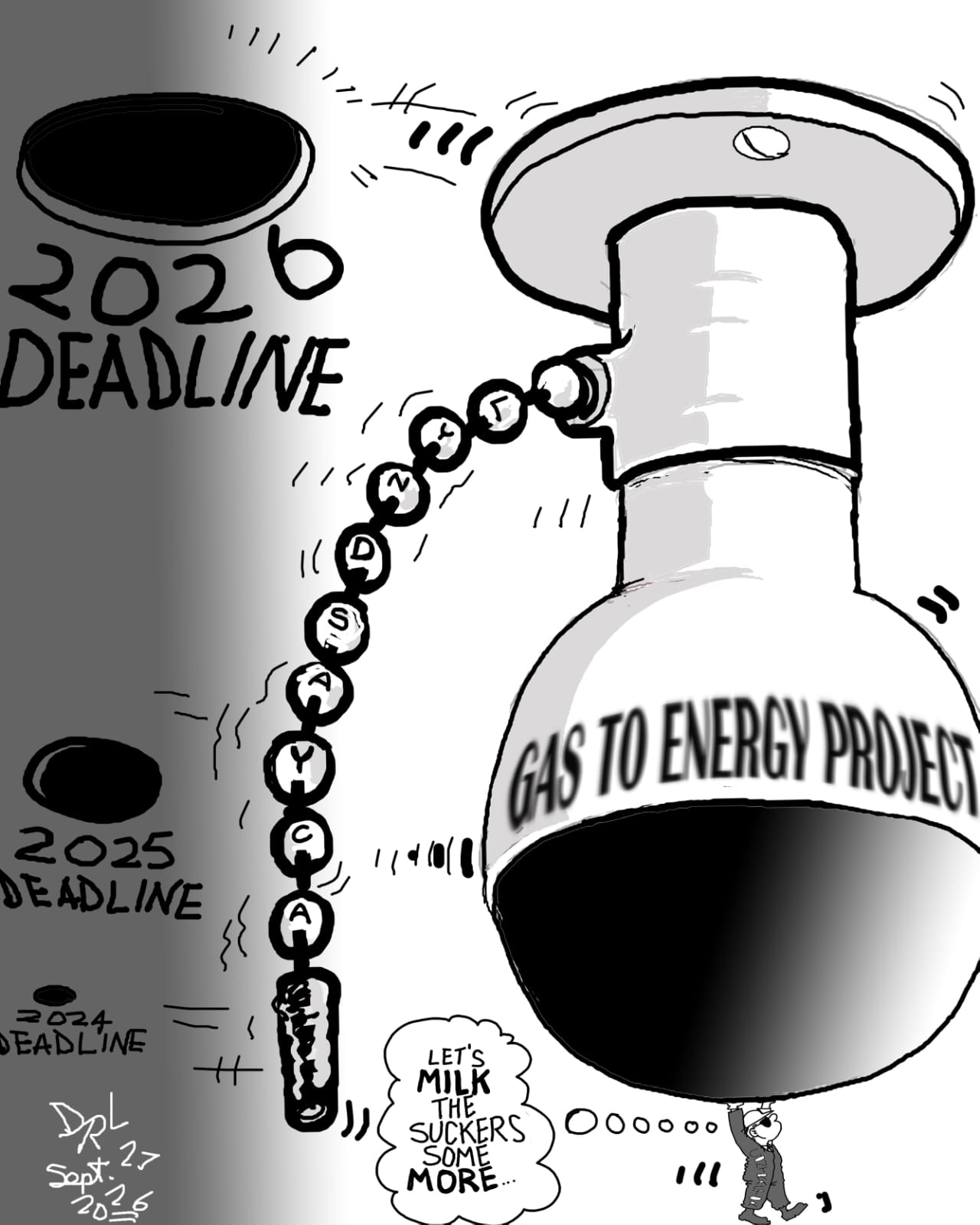
Weekend Cartoon