Latest update September 1st, 2026 10:27 AM


Latest News
- ExxonMobil assures investors Guyana’s profits will decline to finance future projects
- China hits back at U.S. official over criticism of Chinese projects in Guyana
- Leaking classrooms, no furniture greet hinterland children
- Trump vows to hit Iran hard after first exchanges of fire in a month
- WIN takes its movement to New York
The right to be unseen
Kaieteur News – There is no obligation in law requiring a voter to be visible to polling staff while in the booth. This simple truth ought to be self-evident, yet it is being obscured by a haze of partisan suspicion. The APNU, with its insistence that GECOM must ensure the voter is visible when marking the ballot, has stumbled badly. It has mistaken secrecy for spectacle.
The Representation of the People Act (ROPA) instructs that the elector shall enter one of the polling compartments and there “secretly” mark his ballot. Not partly secretly, not provisionally secretly, but wholly secretly. The compartment is a modest structure of wood or cloth, a small sanctuary designed to shield the citizen at the one moment when he or she is most sovereign. Inside, there is no requirement to stand within view of an agent’s gaze. Indeed, to insist on such visibility is to dismantle the very secrecy the law protects.
When the mark is made, the Act requires the elector to fold the ballot, present the folded slip to the presiding officer so the official mark may be verified, and then drop it into the box under the officer’s eye. That is the extent of the visibility requirement. The act of marking is unseen; the act of depositing is witnessed. Between those two acts lies the foundation of free elections.
ROPA further insists that no one may interfere with a voter, or attempt to learn for whom he votes, or induce him to display his ballot. It does not carve out exceptions for party polling agents or anyone for that matter, however vigilant or suspicious they may be. Party agents are guests of the process, not its proprietors. They are entitled to observe the orderly flow of voting, but not to dictate its choreography.
There is equally no right for a party polling agent to prevent anyone from voting simply because he cannot see that person in the booth. Any such attempt amounts to obstruction. The law is unambiguous on this point. The obstruction of a voter is an offence, and those guilty of it may be arrested and charged. The booth is not a theatre box where agents are entitled to a view of the proceedings.
To preserve secrecy in the modern age, GECOM has rightly outlawed the taking of photographs of one’s marked ballot. This prohibition is enforceable by the presiding officer—not by a party agent. If a party polling agent suspects that a voter has defied this rule, his duty is to report the suspicion to the presiding officer, who alone has the authority to act. The party polling agent who takes the law into his own hands, who presumes to stop or detain a voter, becomes himself an offender.
This distinction matters. Without it, polling day degenerates into a contest of tempers and accusations. We saw an unhappy glimpse of this during the Disciplined Services vote, when a party agent, in full voice, complained of being unable to see the elector in the booth. If we permit such complaints to flourish, we transform the voting station into a place of intimidation rather than assurance.
There is, after all, no legal or moral obligation for the voter to be seen. What if the elector wishes to pause a moment to say a prayer before casting the ballot? Must this prayer be visible to a roomful of party polling agents and polling staff? The ballot booth was built precisely to accommodate such private gestures—conscience at work, unseen by others.
The danger in APNU’s argument is not academic. The PNCR, the main party in that coalition, has a long and unhappy record of electoral mischief. To allow it to advance this false contention—that voters must be visible in the booth—is to hand it a ready-made excuse to challenge electors, to sow disorder, and ultimately to disenfranchise.
It falls now to GECOM to issue clear directives. Party polling agents must be reminded that their duty is to observe, not to obstruct; to report, not to intervene; to bear witness, not to police. GECOM must make plain that the booth is sacrosanct, that secrecy is inviolate, and that no voter need suffer the indignity of being watched while marking a ballot.
Free elections depend on trust—the trust that one may enter a booth unseen, make a choice uncoerced, and emerge again as a citizen equal among others. To erode that trust is to erode democracy itself. It is therefore imperative that GECOM resist the misapprehensions of APNU and assert that the voter, in the act of marking a ballot, is entitled to be invisible.
(The views expressed in this article are those of the author and do not necessarily reflect the opinions of this newspaper.)
Share this:

Discover more from Kaieteur News
Subscribe to get the latest posts sent to your email.
Similar Articles
Website Hits

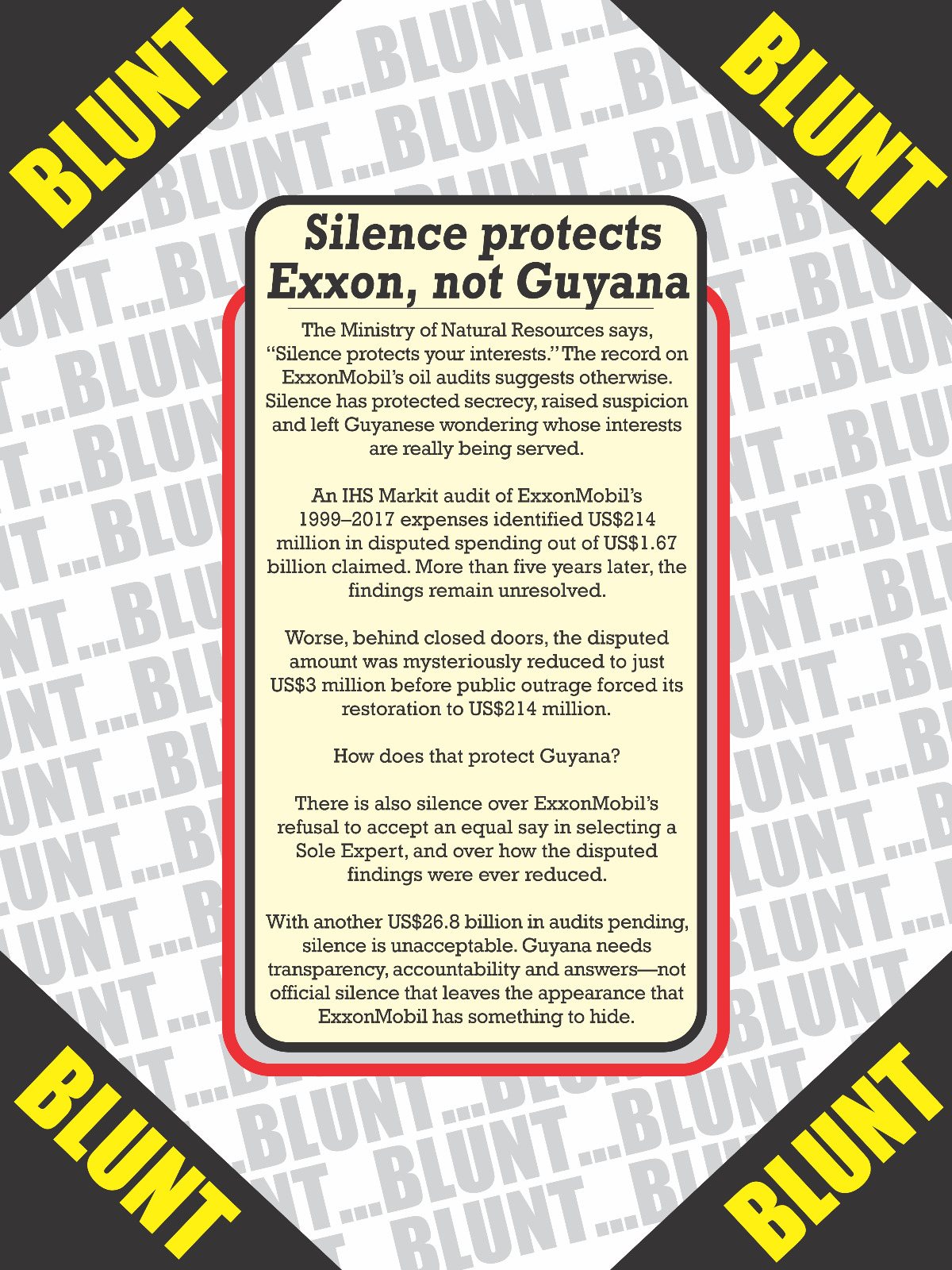
Blunt of the day
Sports

Features/Columnists

Sir. Ronald Sanders

The GHK Lall Column

Weekend Cartoon


