Latest update September 27th, 2026 10:40 AM


Latest News
- ExxonMobil pushes back against calls for ring-fencing new oil projects
- All overpayments recovered or cleared by contractors, Auditor General reveals
- Fuel prices jump 13% at Guyoil
- Iran insists on diplomatic solution after Trump rejects peace plan
- GCAA warns animal owners: Runway trespass could mean $1M fine, jail
A disunited front in the face of Empire
Peeping Tom…
Kaieteur News- By any rational measure of diplomacy, the worst thing the Caribbean could do at this hour—when the winds of American exceptionalism blow cold and punitive from Washington—is exactly what it is now doing: scattering its energies, opinions, and officials in a disjointed and chaotic performance of what it pleases itself to call “engagement.”
There was a time when the Caribbean understood the power of unity. There was a time when it stood shoulder-to-shoulder as it entered complex and consequential trade negotiations. That time, however, seems as remote as a colonial sugar plantation—buried under layers of indecision, egotism, and political amateurism.
Dr. Mohamed Irfaan Ali, President of Guyana, did no favours to the credibility of regional diplomacy when, in last Sunday’s edition of the Stabroek News, he described Guyana’s current state of affairs with regard to U.S. tariff threats as “engagements” happening at different levels and different tiers. In the lexicon of the practised statesman, such phrases are not neutral. They are euphemisms for a scattershot, scrambled, and ultimately incoherent policy posture. There is no such thing in high-stakes international negotiation as decentralized diplomacy. There is only unity or surrender.
“Engagements,” mind you—not negotiations. The United States, with all its machinery of coercion cloaked in the velvet of diplomacy, does not come to the table for “engagement.” It comes to win. It comes to extract. It comes to remind those on the other side of the table who calls the tune when it comes to global economics.
The Caribbean has been here before. When the Cotonou Agreement expired and the region faced the prospect of renegotiating its trade relationship with the European Union, it did not enter that terrain as a collection of fragmented states but as a singular body through the Caribbean Regional Negotiating Machinery (CRNM). The name may sound bureaucratic, but it was a signal—a declaration of sovereignty wrapped in technocracy. The CRNM allowed for preparation, coordination, and strategy. It gave the region a fighting chance against a far more powerful bloc.
And yet, even then, the political class could not resist self-sabotage. The former President of Guyana, Bharrat Jagdeo—never one to miss a moment for grandstanding—along with Sir Shridath Ramphal, attempted to undermine the agreement their own regional machinery had helped to negotiate. In the end, Jagdeo tucked tail and signed the very agreement he had blustered against.
It was, if memory serves, an episode more suited to tragicomedy than statesmanship. Guyana should have learned its lesson. It didn’t.
Now, faced with the impending economic thundercloud of Trumpist protectionism redux, the Caribbean has yet to put together even the appearance of a unified response. As of this writing no new negotiating machinery exists. No single team has been constituted. No coherent regional position has been developed. What we have instead is the diplomatic equivalent of a cat with its tail on fire—scrambling in all directions and hoping, absurdly, that the inferno will put itself out.
President Ali’s comments do not inspire confidence. They suggest not only that Guyana is going it alone, but worse—that it is pretending not to. The President’s assertion that Guyana’s engagement with the United States is happening “at different levels” speaks to a situation that is damning. It speaks to disorder within the disorder. It speaks to dysfunction, a hall of mirrors where no one knows who is leading, who is following, and what, if anything, the strategy might be.
This is not merely unfortunate. It is dangerous.
The United States, particularly under the revived specter of Trumpism, does not respect weakness. It does not reward disarray. It consumes it. Trump has now ridiculed the efforts of other countries, to negotiate relief from his tariffs, as ass-kissing”. He is likely to be moved by fragmented appeals from CARICOM capitals. He will be pleased by them.
That is precisely where we are heading: into negotiations with a superpower, from a position not of solidarity. The Caribbean is too diffused to reconstitute the machinery it once used effectively, and it is too polite to tell its individual member states to shut up and get in formation.
It is not too late though to change course. There is 90-day respite before the new tariffs kick-in. But that hour is drawing close. The Caribbean must act. A regional negotiating team must be established. Not tomorrow, not next week—now. Its mandate must be clear: to formulate a unified strategy, to lead all external negotiations on behalf of the region, and to put an end to the current farce of “engagements” by every Tom, Dick, and head of state. This team must not only speak for CARICOM but stand tall for it. It must not beg, plead, or placate—but assert, demand, and negotiate.
This is not just about tariffs. It is about respect and the refusal to be treated as a geopolitical afterthought. The Caribbean cannot afford another generation of weak diplomacy masquerading as statesmanship. It is time to stop whispering in different corners of the room and speak with one voice across the table.
Until then, we remain the architects of our own abasement.
(The views expressed in this article are those of the author and do not necessarily reflect the opinions of this newspaper.)
Share this:

Discover more from Kaieteur News
Subscribe to get the latest posts sent to your email.
Similar Articles
Website Hits

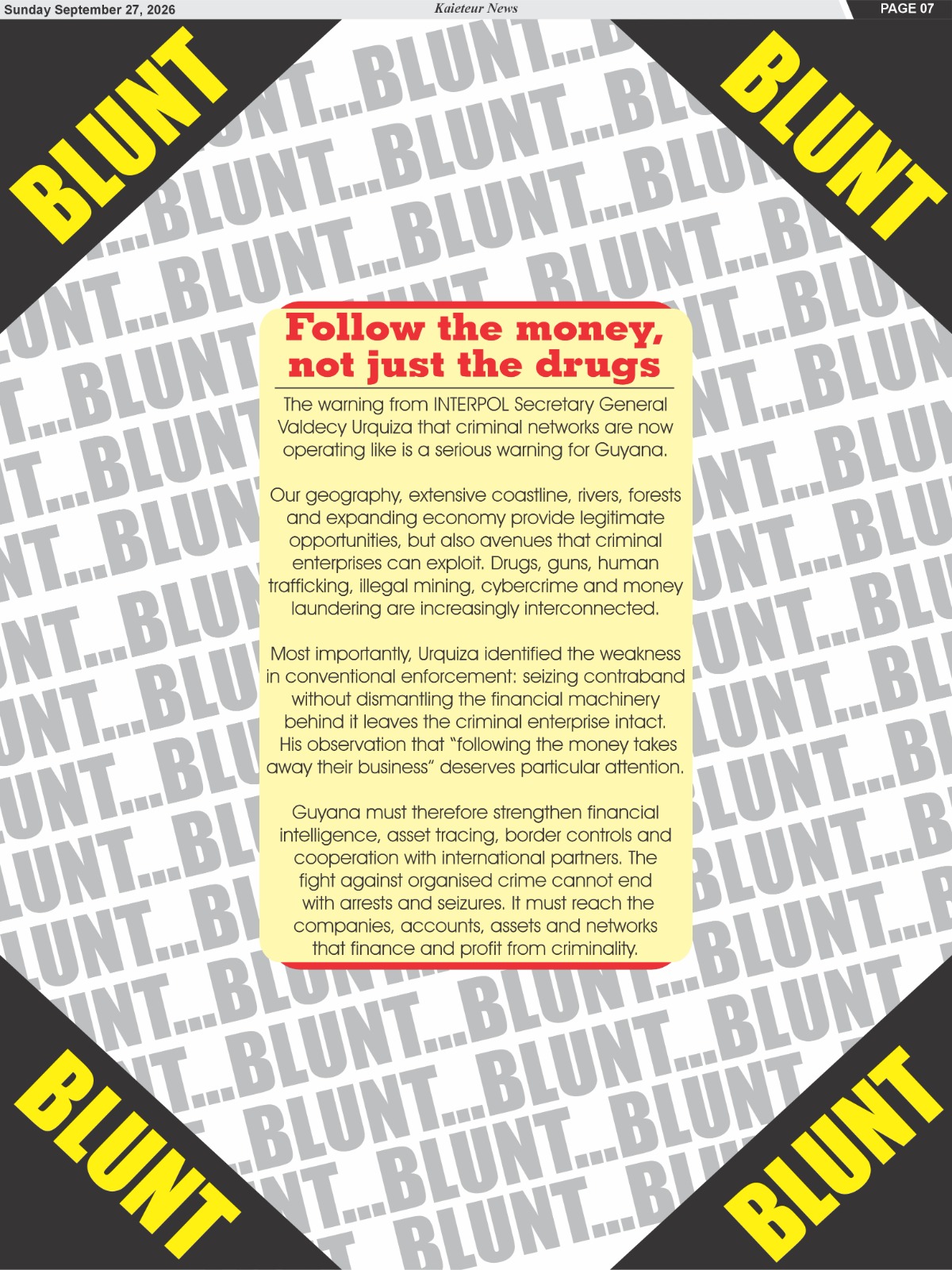
Blunt of the day
Sports
Features/Columnists

Sir. Ronald Sanders

The GHK Lall Column

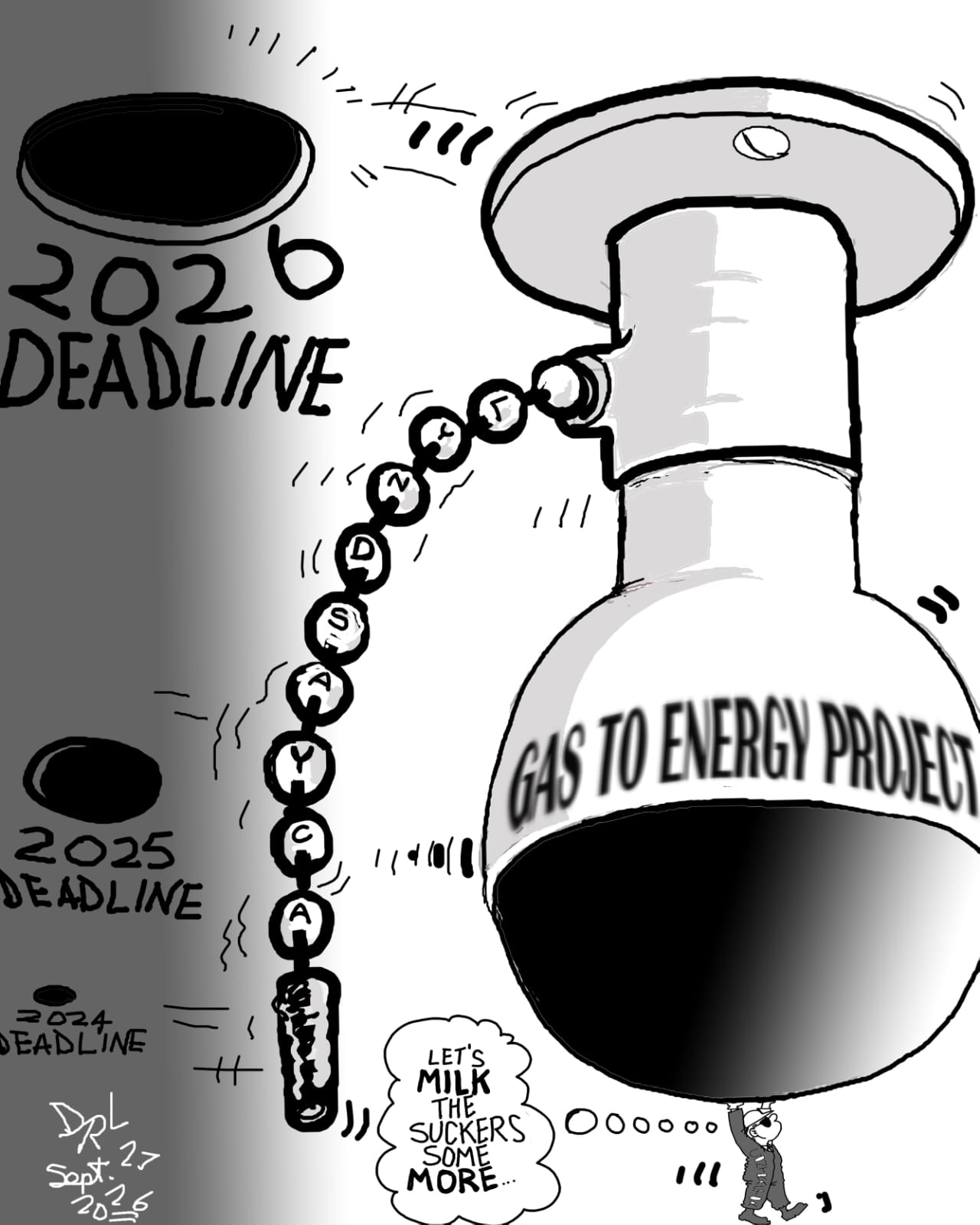
Weekend Cartoon