Latest update October 8th, 2026 10:30 AM



Latest News
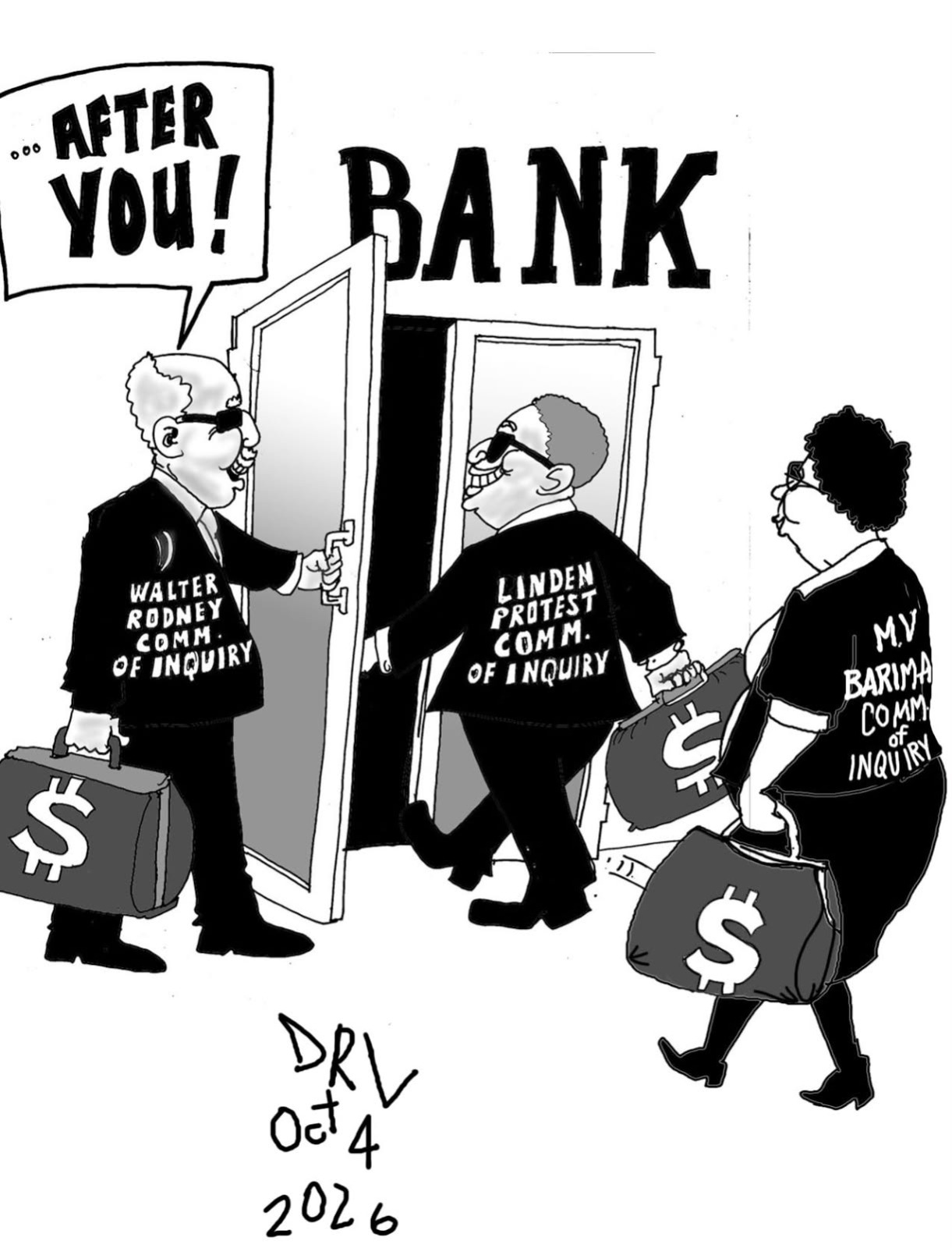
- BK wins $1.3B contract to salvage MV Barima
- Exxon to repair gas-to-energy pipeline off Crane
- ‘Who is responsible?’ — Barima COI Chairman vows to follow evidence wherever it leads
- Maduro to face new U.S. charges over alleged torture of Americans, official says
- President Ali blasts visa barriers, says Caribbean cannot build tourism with ‘stone age’ system
Bad news for Guyanese hopefuls
Kaieteur News – The COVID-19 pandemic only accelerated a trend that had started before. Since 2016, New Yorkers have been leaving the lush attractions of the City for elsewhere; and with the consequence of the first population decline since the decade of the 1970s. This is not good news for either the couple of hundred thousand Guyanese who call New York City their home and place of earning and growing, or for the many Guyanese hopefuls who patiently wait their turn in the emigration line over here, while counting the days until their names come up for that thrilling call.
According to a recent online article, “New York is not dead, but it is on life support” (BBC, January 7), things are bad, really bad. Since March of last year, “property firms and moving companies have reported a rush of demand from people leaving New York,” which took wing in the throes of the pandemic. As confirmed by Liz Nunan, president of property firm Houlihan and Lawrence, “so far, it has shown no signs of slowing.” In fact, the exodus from New York City had been so great that last year, it helped to push New York State to the biggest population decline of any state in the Union. Some of it started prior to the pandemic, then from the pandemic fears and anxieties themselves that sent people scampering for the exits, and last from the hard economic fallout, which is expected to outlast the virus.
William Frey, a demographer at the Brookings Institute said it well: “This is a difficult time for everybody” to which he added the million-dollar question: “The real issue is: can these cities hold their economic vitality? Straight from the hip, it appears, as based on the continuing pandemic related assaults on life in the city, that some of its lifelines are hemorrhaging at a rapid rate. The stark examples are that of the “closed theatres, emptied offices, halted tourism” that have “turned shopping and dining into hazards to be undertaken at your own risk.” The result is that those businesses and sectors that employed 20 percent of the City’s workforce have been gutted. They are closed and gone from vibrant entities to empty shells wondering what their chances of survival are, and for how much longer they can hold out. Some firms have left the city and they are not coming back, and the Partnership for New York City, a local business group, estimates that “as many as a third of the city’s small businesses may not survive the pandemic.”
It is a bad time for all, which includes Guyanese resident in the city, and who are bound to be affected through direct employment, or for services associated with those businesses, inclusive of delivery, maintenance, and construction. Nothing is doing and nothing is going on, which leaves many empty handed and wondering where this will lead and how it will end. The jobless rate is now 12 percent, which is twice the national average of the U.S. and homelessness is on the rise. In terms of unemployment, the immigrant is usually the one that feels the axe first.
In the meantime, there is talk of that despised two-fisted blow, which is raising taxes and cutting essential services. The first targets in the past have been transportation and garbage collection, both of which have serious impact on the quality of life. Things are worrying, which was what Michael Hendrix, director of state and local policy at the free-market Manhattan Institute think tank, had to say: “It’s not really so much the pandemic that is the greatest challenge to New York City. It’s really the second order consequences that have dealt a blow to the city’s recovery and its citizens.”
And as if to underscore the gravity of the situation, he said this, “New York City is not dead, but it is on life support.” He thinks any recovery – whether measured in months, years or decades – would be dependent upon the quality of leadership seen in the city. Clearly, a compelling figure is needed and urgently to whom stricken New Yorkers can rally around and vest their confidence. These are the circumstances, which anxious Guyanese here are likely to face, as they square up for their day at the Consulate and then off to the Big Apple. Right now, it doesn’t look so rosy, but rather dull and dispiriting.
Share this:

Discover more from Kaieteur News
Subscribe to get the latest posts sent to your email.
Similar Articles
Website Hits

Blunt of the day

Sports
Features/Columnists

Sir. Ronald Sanders

The GHK Lall Column

Weekend Cartoon