Latest update September 20th, 2026 10:05 AM


Latest News
- GNBS PROMOTING STANDARDS EDUCATION IN CLASSROOMS AND BEYOND
- “I Good” — The Psychology of Carrying Everything and Telling Nobody
- Ask-the-Consul Installment 26-09: The Citizen Liaison Volunteer Program in Guyana
- Oil dollars
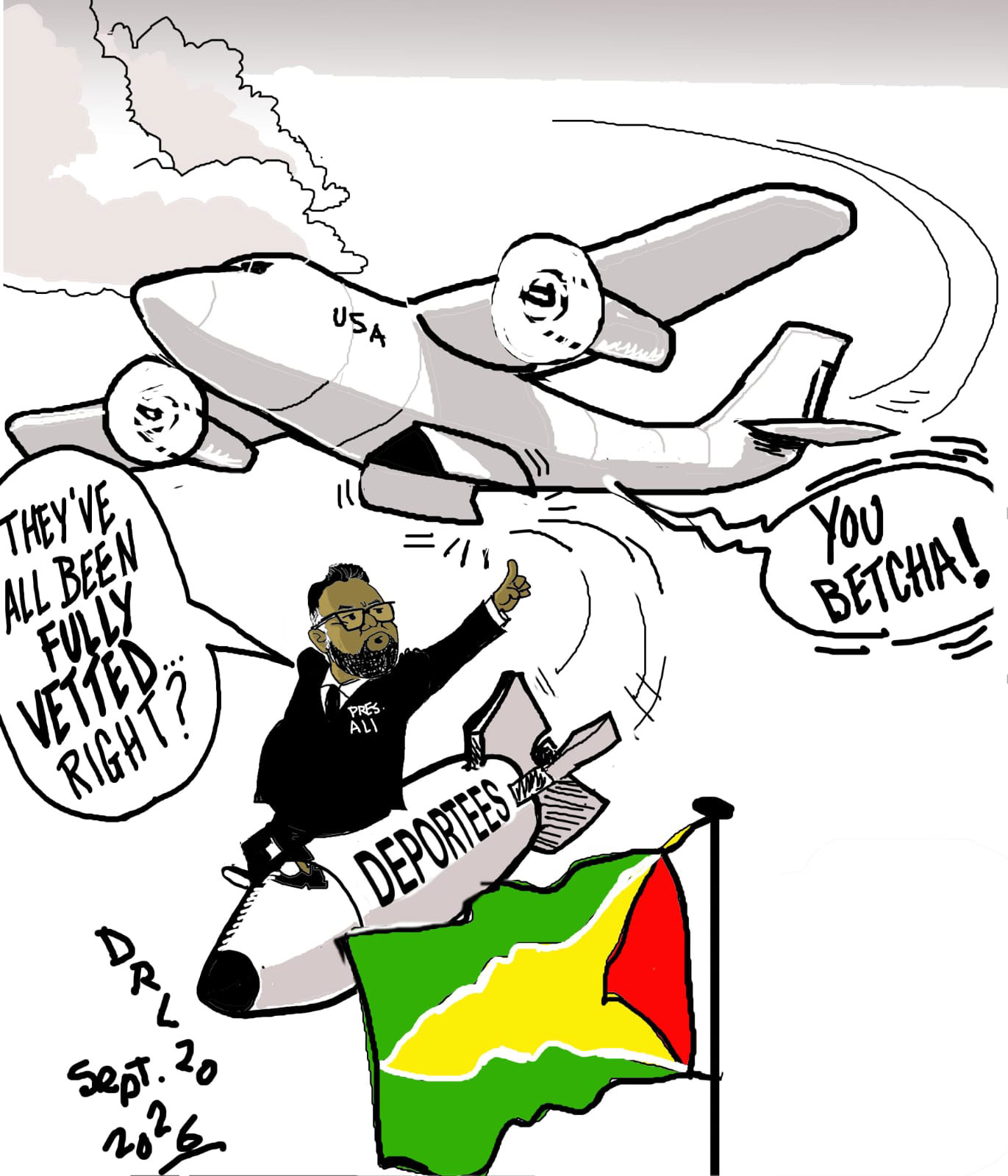
- Fear of return to home countries, diplomatic hurdles lead U.S. deportees to Guyana – sources
Guyana accepts pittance from oil companies for training when compared to other nations
Governments of numerous oil-producing nations try their utmost to ensure that citizens benefit the most from the petroleum industry. They ensure this is achieved by tying operators to several obligations in their contracts, one of which includes monetary contributions for training locals so that they can participate in the sector.

Liberia, Ghana and Uganda, also tie the contractors to a one-time payment that is usually US$500,000 to US$1M for funding the technological and infrastructural support that would be needed for the training of locals.
These compulsory contributions run into millions of US dollars. But that is not all. These governments such as those for Liberia, Ghana and Uganda, also tie the contractors to a one-time payment that is usually US$500,000 to US$1M for funding the technological and infrastructural support that would be needed for the training of these locals.
But when a closer look is taken at the deals some of these very operators have with the Government of Guyana, it appears that this soon-to-be oil producer is accepting a pittance for its people.
For example, Tullow, which is the lead operator for the Orinduik Block, is bound by its contract to pay during each year of the term of the Petroleum Prospecting License it has, or any renewal thereafter, US$25,000 for training. This money goes into an account, which is managed by the Guyana Geology and Mines Commission (GGMC).
In Uganda however, Tullow is required to deposit with the government, or its nominee for the exploration period, US$100,000 per six months; US$150,000 per 12 months for the development phase, and following the commencement of production, a deposit of US$300,000 per 12 months. In the case of Ghana, Tullow hands over US$300,000 annually. Both countries also benefitted from funding for the technological and infrastructural support, as mentioned earlier.
With respect to Repsol, which is operating Guyana’s Kanuku Block, GGMC collects US$30,000. Meanwhile, this Spanish multinational gives Liberia a “minimum” of US$250,000 annually and US$300,000 per year to Iraq. They too, benefitted from an allowance for technological and infrastructural support.
In the case of Anadarko, which holds the licence for the Roraima Block offshore Guyana, the government settled for US$40,000 while this company contributes US$1M annually to Liberia and Mozambique.
As for ExxonMobil’s subsidiary, Esso Exploration and Production Guyana Limited (EEPGL), and its two partners, Hess and CNOOC/NEXEN, the government comfortably accepts US$300,000. But in the case of Liberia, Exxon is required to hand over US$750,000 plus a US$500,000 IT support fee. It also gives US$500,000 annually for training of locals in Chad, along with the same IT support contribution that is granted to Liberia.
In the case of other operators, Guyana collects US$55,000 from Mid-Atlantic Oil and Gas, which holds the licence for the Canje Block while Ratio Energy and Ratio Guyana provide US$60,000 for the training of locals. CGX, which holds the licences for the Demerara and Corentyne Blocks give US$100,000 per block annually.
None of the Production Sharing Agreements (PSA) Guyana has with offshore or onshore operators, provide funding for technological and infrastructural support.
Tullow gives Guyana $25,000 yearly for training.
Tullow gives Uganda US$650,000 per year.
Tullow gives Ghana $300,000 per year
Liberia gets US$250,000 per year
Iraq gets US$300,000
Anadarko gives Guyana US$40,000 per year
Anadarko gives Liberia US$1M annually
Anadarko gives Mozambique US$1M per year
Liberia gets from ExxonMobil’s and its partners $1,250,000 plus a US$500,000 IT support fee while Guyana accepts US$300,000.
It also gives US$1M annually for training of locals in Chad, along with US$500,000 IT support.
Share this:

Discover more from Kaieteur News
Subscribe to get the latest posts sent to your email.
Similar Articles
Website Hits

Blunt of the day
Sports

Features/Columnists

Sir. Ronald Sanders

The GHK Lall Column

Weekend Cartoon