Latest update January 29th, 2026 12:35 AM

Sep 14, 2025 Features / Columnists, Peeping Tom
Kaieteur News – At a press conference some years ago, Vice President Bharrat Jagdeo was asked about his role in the natural resources sector. His response was as remarkable as it was troubling. He made it clear that he bore no ministerial responsibility for natural resources.
Instead, he explained, he was simply tasked with “overseeing” the sector, along with finance and the environment.
To the untrained ear, this may have sounded like a mere technicality. To constitutional lawyers, however, it raises a fundamental question: Can a Vice President in Guyana lawfully function without ministerial responsibility?
The answer lies in the Constitution of Guyana. And the short response is, in my estimation, no.
The Constitution of Guyana states, in unambiguous terms, that Vice Presidents “shall” be Ministers. This is not a matter of optional discretion or political convenience. The framers of the Constitution employed mandatory language. The word “shall” has been settled, through centuries of constitutional law and judicial precedent, as a word that imposes an obligation. It is not directory, it is compulsory. Where a statute or constitution states that an office “shall” be accompanied by certain powers or duties, the courts have consistently treated that requirement as binding.
Courts across the Commonwealth have repeatedly ruled that “shall” is not a permissive term. To interpret “shall” as merely permissive would be to hollow out the provision and render it meaningless.
Thus, when the Constitution declares that Vice Presidents shall be Ministers, it intends that Vice Presidents must hold ministerial portfolios, with all the legal and political responsibility that such portfolios entail. Anything less would render the provision redundant.
The logic behind this constitutional requirement is clear. Vice Presidents are not ornamental figures. They are not ceremonial placeholders in the Cabinet. They are intended to carry ministerial responsibility, to be accountable for specific portfolios, and to answer for the decisions and policies within their sectors. Ministerial responsibility ensures that the exercise of executive authority is tied to legal responsibility, both to Parliament and to the people.
To imagine a Vice President “overseeing” a sector without holding ministerial responsibility is to create a twilight zone of accountability. An overseer without formal ministerial designation can wield influence and make decisions but evade the scrutiny and legal liability that comes with ministerial office. That would subvert the very principles of parliamentary democracy and ministerial responsibility that the Constitution seeks to uphold.
In effect, Jagdeo’s claim that he is merely “overseeing” rather than holding ministerial responsibility puts him outside the constitutional frame. It transforms the role of Vice President into something the Constitution never intended: a supernumerary position without accountability, hovering above the Cabinet rather than being part of it.
But what is surprising—indeed, astonishing—is that over the past five years, no local litigator has mounted a constitutional challenge to Jagdeo’s appointment in this anomalous form. Guyana has a tradition of robust constitutional litigation. Attorneys routinely test the legality of governmental appointments, administrative actions, and even parliamentary procedures. That this issue has escaped challenge suggests either political caution or legal oversight.
Yet this issue is not a trivial technicality. It goes to the heart of constitutional governance. If a Vice President can function without ministerial responsibility, then the carefully drawn lines of accountability in the Constitution are blurred.
This matter cannot be left in limbo. The Constitution is the supreme law of the land. To allow deviations on so fundamental a point is to invite arbitrariness into executive governance. It is unacceptable that someone with the rank and privileges of Vice President should wield oversight and influence over entire sectors without the burdens of ministerial accountability.
Moreover, the principle at stake here is broader than one individual or one appointment. It concerns the structural integrity of Guyana’s constitutional order. If the word “shall” in Article 103 can be diluted, what prevents future governments from ignoring other mandatory provisions? Today it is a Vice President without ministerial responsibility. Tomorrow it could be a constitutional office holder without qualifications or a finance minister without budgetary authority. The Constitution must not be subjected to such casual disregard.
Bharrat Jagdeo’s role as Vice President without ministerial responsibility is, in my view, unconstitutional. The Constitution insists that Vice Presidents shall be Ministers. That is a mandatory requirement designed to preserve accountability and prevent the executive branch from creating positions of power unmoored from legal responsibility.
This issue demands judicial clarification. The courts must affirm what the Constitution already makes plain: Vice Presidents cannot merely “oversee.” They must hold ministerial office, with all the duties, obligations, and liabilities that accompany it. Anything less is unconstitutional and unacceptable.
(The views expressed in this article are those of the author and do not necessarily reflect the opinions of this newspaper.)
Subscribe to get the latest posts sent to your email.
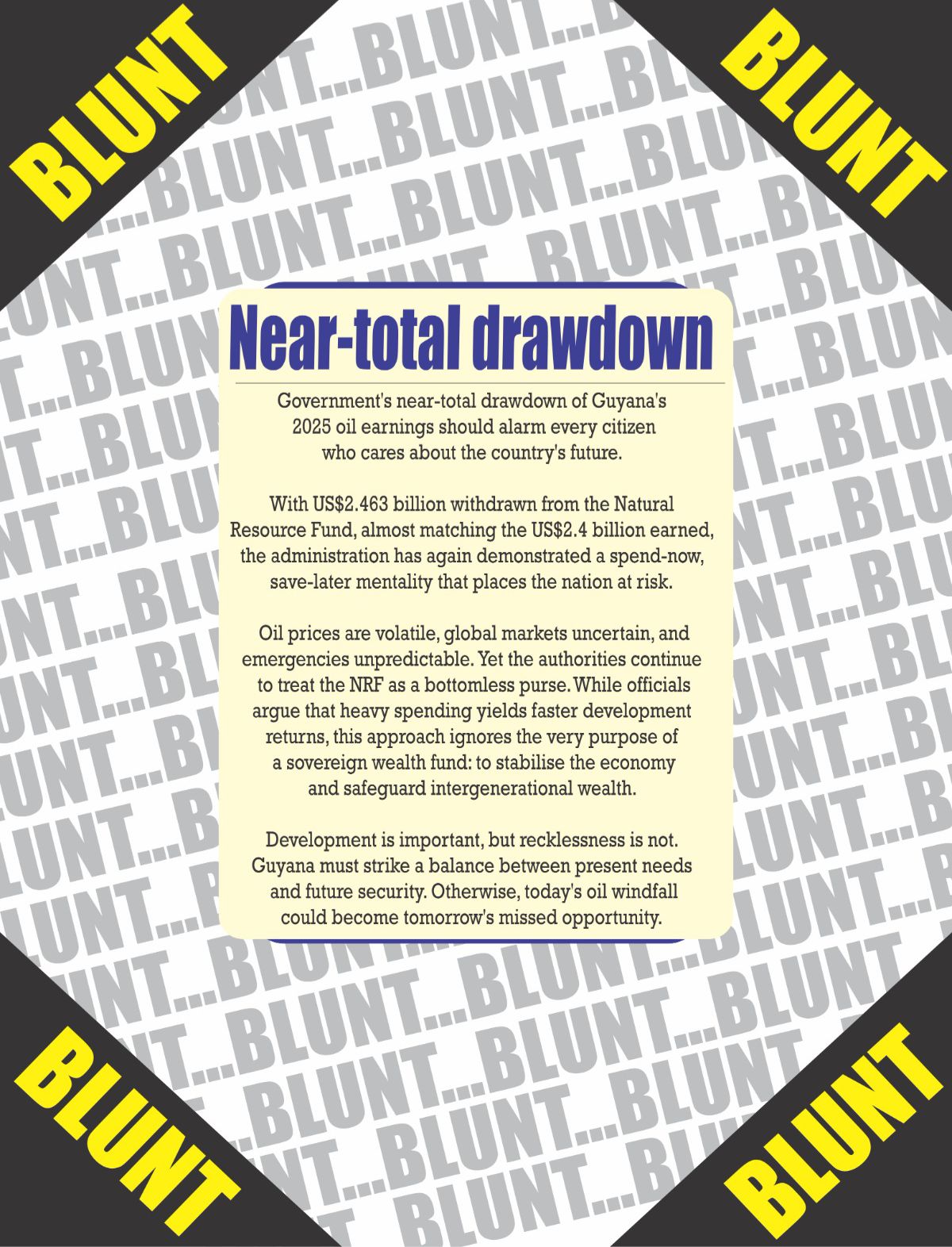
Your children are starving, and you giving away their food to an already fat pussycat.
Jan 29, 2026
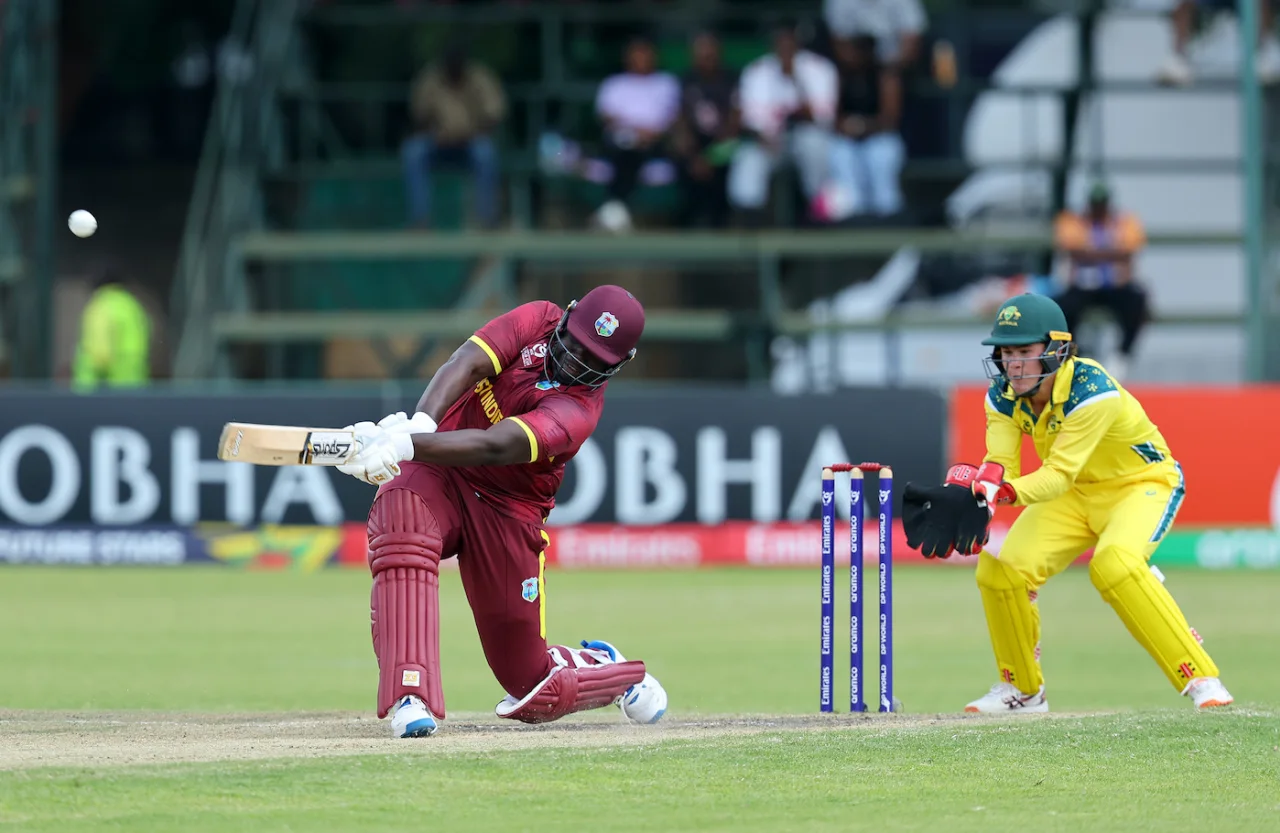
Carter gave West Indies a fighting chance in a tall chase but they ran out of steam ESPNcricinfo – Captain Oliver Peake’s 109 and pace bowler Charles Lachmund’s four-for made...Jan 29, 2026
(Kaieteur News) – In policy debates, especially in developing and small open economies, it has become fashionable to argue that in-kind grants are preferable to cash grants because they supposedly create less instability in macroeconomic fundamentals. The claim sounds responsible, even prudent....Jan 18, 2026
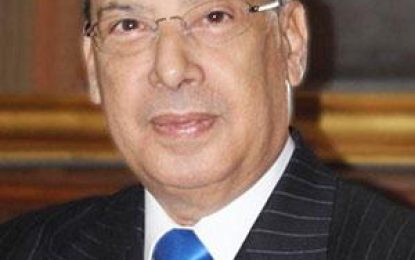
By Sir Ronald Sanders (Kaieteur News) – When powerful states act, small states are tempted to personalize the action. When small states fragment, powerful states do not need to explain themselves. That is the lesson CARICOM should draw from the recent U.S. decision to impose partial visa...Jan 29, 2026
If I were a rich man… I’d build a big tall house with rooms by the dozen… I’d fill my yard with chicks and turkeys and ducks and geese… I see my wife…looking like a rich man’s wife… (Kaieteur News) – Those lines cobbled together from Fiddler on the Roof announce to the world the...Freedom of speech is our core value at Kaieteur News. If the letter/e-mail you sent was not published, and you believe that its contents were not libellous, let us know, please contact us by phone or email.
Feel free to send us your comments and/or criticisms.
Contact: 624-6456; 225-8452; 225-8458; 225-8463; 225-8465; 225-8473 or 225-8491.
Or by Email: glennlall2000@gmail.com / kaieteurnews@yahoo.com