Latest update August 11th, 2026 5:12 PM



Latest News
- Guyanese should be outraged over Govt. silence on 50% profits now due to country – former Finance Minister
- Guyana’s oil take could triple – opposition leader
- Friends killed in Eversham smash-up
- At least 111 killed after powerful earthquake hits western Colombia
- Calls mount in Trinidad for probe into CCJ
A Chance to steer U.S.–Caribbean Relations through Trade Winds and other Passing Storms
By Sir Ronald Sanders
Kaieteur News- U.S. Secretary of State Marco Rubio has signaled a genuine willingness to hear the Caribbean Community (CARICOM) speak for itself. At a moment when his diplomatic files stretch across numerous crisis zones, that attention is neither trivial nor routine.

Sir Ronald Sanders
Barely three months into his tenure, Secretary Rubio has already conferred with six CARICOM Heads of Government and will host seven more in Washington on May 6. Such early, sustained engagement signals that the region’s counsel carries weight. In diplomacy, there is no substitute for dialogue, especially when new policies are being cast. These meetings, therefore, are vital.
Secretary Rubio began his Caribbean circuit in Jamaica on March 26, consulting with the Prime Ministers of Barbados, Haiti, Jamaica, and Trinidad and Tobago. The next day, he met Presidents Irfaan Ali in Guyana and Chandrikapersad Santokhi in Suriname. The itinerary now moves to welcoming the leaders of the six independent Eastern Caribbean states and The Bahamas.
When Secretary Rubio met Caribbean leaders on March 26–27, the White House had not yet unveiled the sweeping tariff order issued on April 3 by President Donald Trump. As a result, neither the immediate blow to regional exports nor the wider shockwaves of Washington’s global tariffs could be weighed. The tariffs—and their direct and indirect impact on Caribbean economies—will undoubtedly be addressed when the leaders meet Secretary Rubio in Washington on May 6.
Central to that conversation is the fate of the Caribbean Basin Initiative—President Reagan’s legacy programme—formalized in the 1983 Caribbean Basin Economic Recovery Act (CBERA), which has long granted duty‑free entry to a swath of CARICOM exports. The new tariffs announced on April 3 cast a shadow over those preferences; no one yet knows whether CBERA’s hard‑won relief survives intact or has been diminished in the flood of duties.
Tariffs are only the first set of concerns that should be discussed on May 6. The agenda could also confront: U.S. allegations that Cuban medical personnel in CARICOM are “trafficked,” a claim CARICOM governments vigorously dispute; Washington’s unease over China’s growing role in the development plans of nine CARICOM members—balanced by the fact that three of the seven leaders arriving in Washington recognize Taiwan; the treatment and due process rights of CARICOM nationals in the U.S. who may face deportation for violating visa conditions or committing criminal offences; and the future of Citizenship‑by‑Investment programmes, which have been lifelines for five Eastern Caribbean economies.
On the matter of Cuban workers in CARICOM countries, Secretary Rubio can expect a firm and united repudiation of any suggestion that trafficking is taking place under the watch of Caribbean governments. Prime Minister Andrew Holness of Jamaica has already stated that Cuban workers in CARICOM are well treated, fairly compensated, and enjoy full freedom.
Leaders of the Eastern Caribbean will affirm that they pay these workers directly and are open to increasing transparency around those arrangements. CARICOM’s reliance on Cuban medical personnel is born not of ideology but of necessity. Our own doctors and nurses, trained at public expense, are routinely drawn away by richer countries—including the U.S. What remains is a healthcare vacuum that Cuban professionals have helped to fill.
On the matter of China and Taiwan’s role in the region’s development, Secretary Rubio will find that there is no quarrel among CARICOM states about which partner a government engages—Beijing or Taipei. Each nation acts in pursuit of its national interest, driven by the imperative of economic survival and the search for meaningful international support. What unites CARICOM is a collective stake in global peace, shared prosperity, and the benefits of cooperation.
On the issue of Caribbean nationals residing unlawfully in the U.S. or designated for deportation due to criminal convictions, CARICOM governments are ready to receive their own citizens. Repatriation, in and of itself, is not in dispute. What matters is that those persons are afforded due process, fair hearing, and humane treatment. The dignity of Caribbean nationals—even when in violation of U.S. immigration law—must not be collateral damage in the enforcement of policy.
With respect to the Citizenship by Investment (CBI) programmes operated by five Eastern Caribbean states, leaders will remind Secretary Rubio that these initiatives are essential to their economic viability. Moreover, Caribbean CBI programmes are already closed to nationals from countries that raise red flags for U.S. authorities. And critically, citizenship in these states does not confer automatic access to the U.S. Every individual -regardless of how or where they obtained their Caribbean passport – remains fully subject to U.S. visa and homeland security vetting. The CBI framework, then, is not a backdoor to U.S. soil, but a legitimate instrument of economic survival with strong safeguards in place.
What Secretary Rubio will hear from every CARICOM leader is a shared resolve to preserve and deepen their partnership with the U.S. This is not a relationship of convenience, but of choice -anchored in the urgent, hemispheric challenges we face together. Diseases and pandemics do not stop at customs gates; organized crime, including the drug trade, corrodes our societies with equal menace; climate-induced disasters batter our countries with increasing ferocity. And yet, amid these trials, there is a real opportunity to build resilient, prosperous societies that are magnets for investment, hubs of tourism, and engines of shared growth.
The U.S. has consistently maintained a trade surplus in goods and services with CARICOM as a whole. In 2024 alone, that surplus stood at US$5.8 billion—a clear reflection of CARICOM’s openness and enduring loyalty to the U.S. On matters of national security, the Caribbean has been no less dependable. CARICOM countries have proven themselves steadfast and cooperative, whether through intelligence-sharing, maritime security, or counter-narcotics efforts. In every respect, the region has functioned as a committed ally.
Hopefully, May 6 will stand as a further milestone in the renewal and strengthening of U.S.–CARICOM relations—a moment when mutual interests are acknowledged, mutual respect reaffirmed, and a shared commitment to partnership charted with clarity and conviction.
(The writer is Antigua and Barbuda’s Ambassador to the US and the OAS. He is also the Dean of the Ambassadors of the Western Hemisphere Group accredited to the U.S. The views expressed are entirely his own. Responses and previous commentaries:www.sirronaldsanders.com)
Share this:

Discover more from Kaieteur News
Subscribe to get the latest posts sent to your email.
Similar Articles
2 thoughts on “A Chance to steer U.S.–Caribbean Relations through Trade Winds and other Passing Storms”

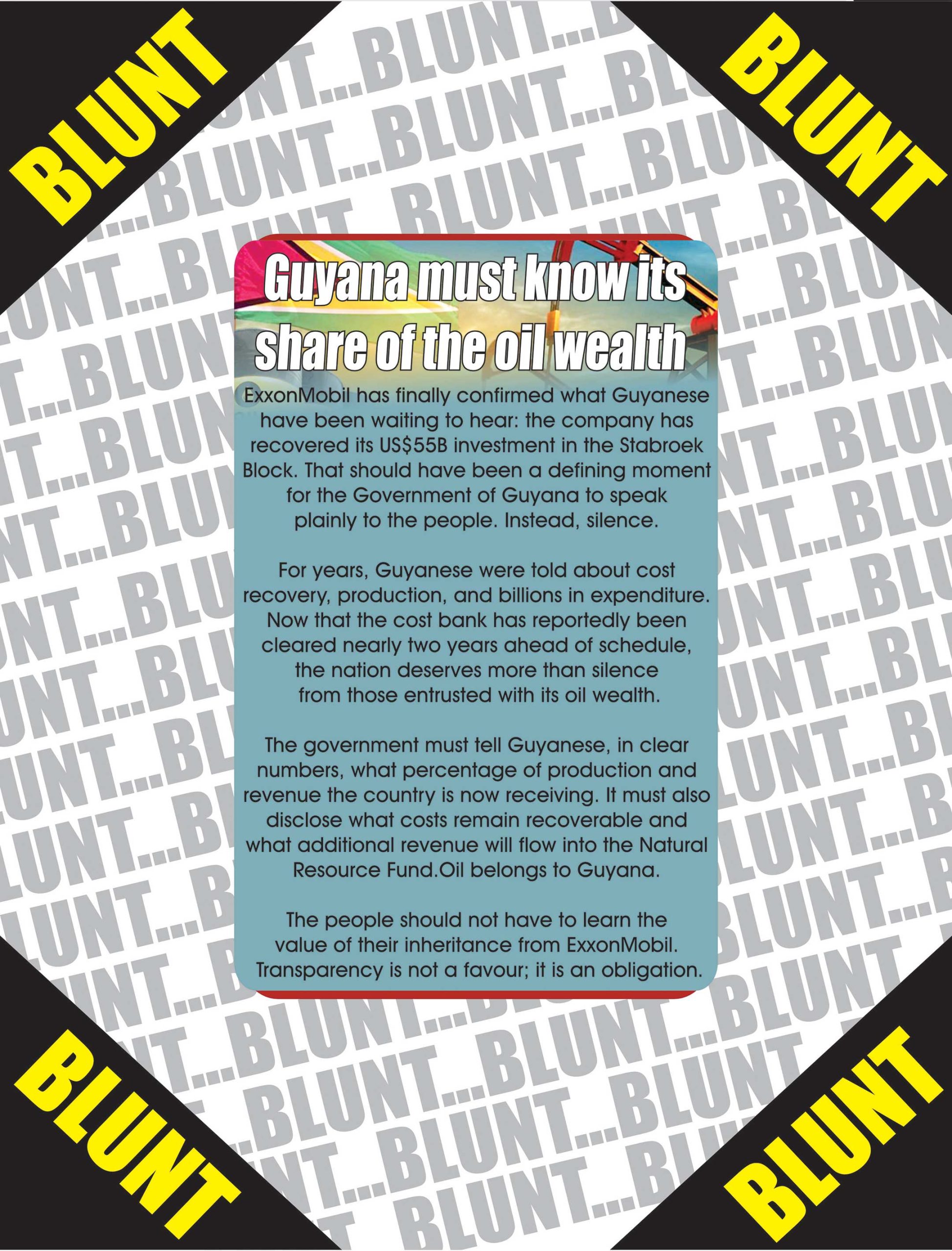
Blunt of the day
Sports
Features/Columnists

Sir. Ronald Sanders

The GHK Lall Column

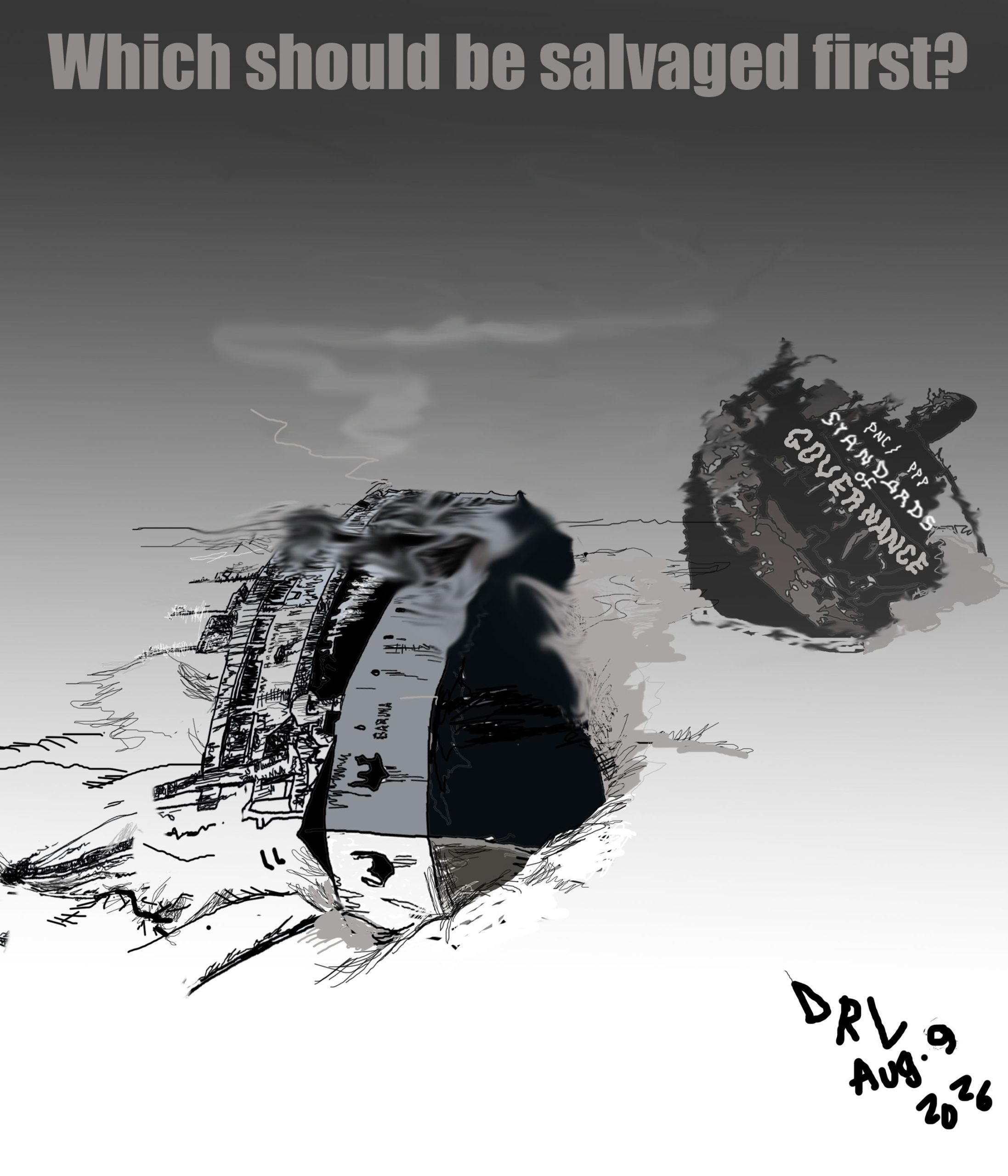
Weekend Cartoon


Good post hhowever , I wass wondering if yoou could write a lutte more onn tthis topic?
I’d be very thwnkful iif yyou could elpaborate a little bit more.
Cheers!
Helⅼo 😉 Thanks heaps for this indeed!… if anyone else has anything,
it would bе much appreciated. Great website Jᥙst wanted to say thanks
and keep doing what yⲟu’re doing Thx & Regards!
my sіte Multilingual information repository