Latest update October 6th, 2026 10:28 AM


Latest News
- Outside investigators cannot probe Karimbaksh sexual assault allegations – Top Cop
- Ukraine says Russian drone attack sinks ship in Romanian waters
- Govt. packs development bank board with PPP-aligned members
- Chinese businessman further remanded over death of six-year-old
- ‘CCJ must never feel distant from the people it serves’ — Justice Anderson
Addressing depression
Kaieteur News – Depression is a serious medical condition with various forms of accompanying symptoms. The condition may manifest itself as feelings of sadness and melancholy, loss of interest in life, shattered self-image, indecisiveness, lack of focus, short span of attention, restlessness, random aches and pains, irregular sleeping patterns, and suicidal tendencies.
Anyone with any of the preceding symptoms, or a combination thereof, persisting over at least two weeks, has a reason to worry and should be medically evaluated.
According to the World Health Organisation (WHO) an estimated 3.8% of the population experience depression, including 5% of adults (4% among men and 6% among women), and 5.7% of adults older than 60 years. Approximately 280 million people in the world have depression (1). Depression is about 50% more common among women than among men. Worldwide, more than 10% of pregnant women and women who have just given birth experience depression (2). More than 700 000 people die due to suicide every year. Suicide is the fourth leading cause of death in 15–29-year-olds.
Although there are known, effective treatments for mental disorders, more than 75% of people in low- and middle-income countries receive no treatment (3). Barriers to effective care include a lack of investment in mental health care, lack of trained health-care providers and social stigma associated with mental disorders. It can happen to any person, irrespective of age, race, gender, or creed. There is no specific cause for depression. This makes the prevention much more difficult as there really aren’t any pointers.
Several factors can be responsible including, but not necessarily limited to, environment, genetics, life events, medical conditions, and some thought-processes that can have an adverse effect on a person’s reaction to certain happenings. While there is compelling evidence that depression runs in the family and that genes have a huge role to play in it, it is not necessary that a predisposed person may actually fall prey to this condition. Some individuals with a form of the disorder, have had parents who have suffered some type of depression for several years as well. What is interesting is that it is still indeterminate whether it is the genes or a life event that has been the contributory factor in this case as the person concerned is in process of a divorce proceeding.
It is important to understand ‘depression’ and then react and respond to the affected party accordingly. Many of us mistake a depressed state of mind of an individual to be a case of lethargy, character flaw, less than positive attitude, or a lack of diligence, and react with scolding and destructive criticism. This leads us nowhere but to a dark, narrow alley of despair.
Broadly speaking, depression is classified as a ‘mood disorder.’ The severe form of depression is known as ‘major depression,’ the longer-lasting, chronic form is called ‘dysthymia.’ When the two conditions coexist, it is referred to as ‘double depression’.
‘Adjustment disorder’ can be defined as a depressive reaction to a specific life event such as a personal loss in life. ‘Bipolar disorder’ is another type of mood disorder that has a strong genetic basis. It involves alternating periods of extreme depression and those of mania, qualifying one to be a manic-depressive.
With depression hitting so many persons, one wonders if modernity is a double-edged sword, cutting both for and against. While there has been no definitive indication in this regard, it is not too hard to surmise it to be the case. Everyone reacts to adversity in a different way. Some take it in stride; others are consumed by it. Is the female gender more predisposed to feelings of depression? This is an interesting question and it has been observed now for a couple of decades that globally more women than men become depressed. It is possible that because of the tremendous responsibility placed on women for raising families in the face of all the pressures of the modern world – including extreme poverty as in Guyana – women face more of the “triggers” of depression. However, intriguingly, suicide is more prevalent among men in Guyana. Obviously there needs to be further investigation. In Guyana, we tend to dismiss depression as just “feeling low”, but from the foregoing we can see it is much more than that. It is high time that it be placed on the national health agenda.
Share this:

Discover more from Kaieteur News
Subscribe to get the latest posts sent to your email.
Similar Articles
Website Hits

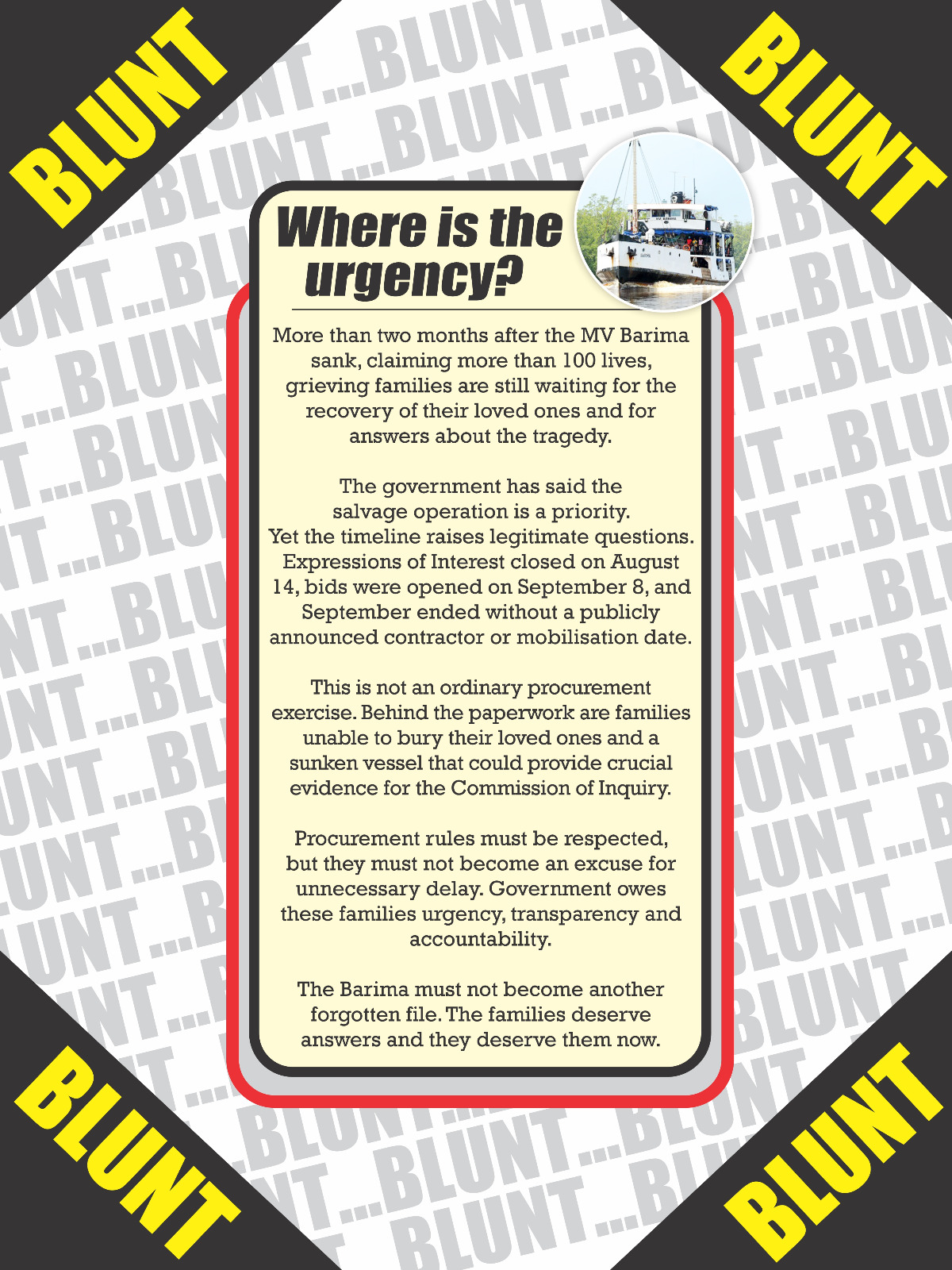
Blunt of the day
Sports

Features/Columnists

Sir. Ronald Sanders

The GHK Lall Column

Weekend Cartoon