Latest update October 3rd, 2026 6:00 AM


Latest News
- PPP activist fired from Home Affairs Ministry after slapping Rubis pump attendant
- Chinese businessman confesses to killing boy, 6, over US$3M dispute with parents
- Guyana’s oil reserves drop below 11B barrels – Exxon says
- Mazaruni prison officers rescue miner after boat mishap
- NIS pensioners allegedly owed arrears since 2021
The Promise Deferred or Abandoned?
Kaieteur News – At a recent press conference Vice President, Bharrat Jagdeo, made a startling revelation. He indicated that days after the government took office and even before Cabinet had been established, he met with ExxonMobil and made clear that the country would not be paying for the natural gas.
The disclosure made by Jagdeo regarding the early discussions with ExxonMobil sheds a glaring light on the inner workings of the PPPC administration. The fact that such significant decisions regarding the country’s most crucial sector were being made before the establishment of a Cabinet is deeply concerning.
It raises questions about the decision-making process within the government. The absence of Cabinet guidance prior to such an important undertaking suggests a disregard for the principles of collective decision-making and serves to reinforce the growing perception that the Cabinet’s role within the PPPC administration is being diminished to that of a mere rubber stamp.
For major decisions regarding the oil industry to be being made without the input or oversight of Cabinet members, calls into question the nature and effectiveness of the government’s decision-making framework. It is perplexing that mere days after assuming office, with the ink barely dry on the instruments of office, Jagdeo chose to engage with ExxonMobil on such a crucial matter without awaiting the establishment of Cabinet.
More germane however is what happened to the promise of renegotiating the oil contract? Prior to the elections, Jagdeo had publicly stated that the APNU+AFC had sold the country out and that the oil contract would be renegotiated.
But no sooner had the PPPC settled into office, Jagdeo made a U-turn and began to speak about the sanctity of contracts. The stark contrast between Jagdeo’s campaign rhetoric and his early actions in office raises concerns about the true intentions of his government.
Jagdeo’s pledge on the campaign trail to renegotiate the oil contract had resonated deeply with Guyanese citizens who by then were convinced that the country had been shortchanged. There was a yearning, and there still is, for a fairer deal.
The promise of renegotiation must have been one of the reasons contributing to the success of the PPPC’s election campaign. However, the ‘swift about-face’ by Jagdeo begs the questions: When did the commitment to renegotiation evaporate?
The principle of renegotiating contracts in the best interest of the nation seemed to have been conveniently abandoned in favour of embracing the notion of the sanctity of contracts. However, this sudden shift in stance warrants a thorough explanation from Jagdeo. Why the shift?
The failure to renegotiate the oil contract cannot be dismissed merely as a broken promise. It represents an act of betrayal.
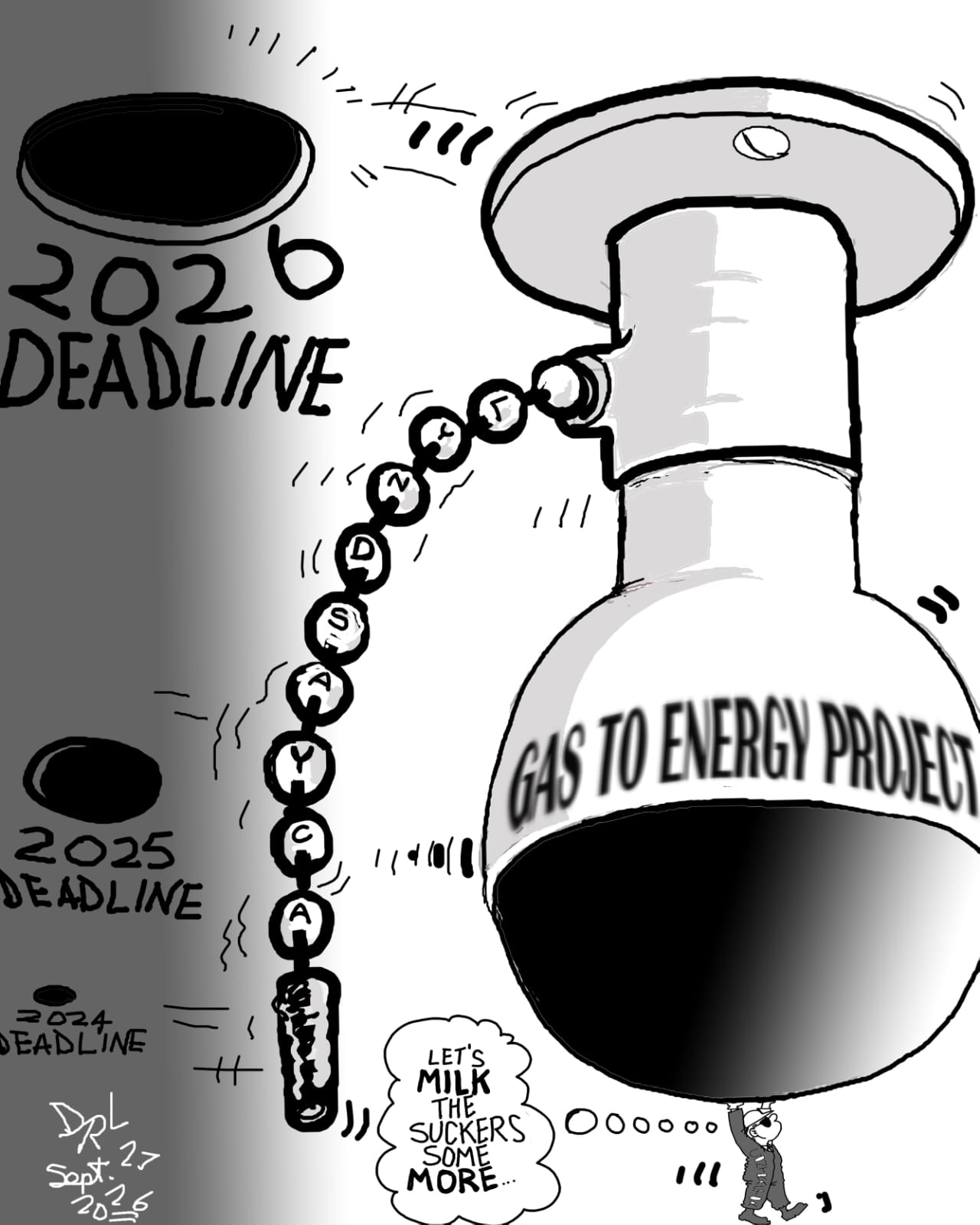
The specifics of the deal over natural gas need to be scrutinized. What exactly does “supplying natural gas for free” entail? Is it limited to the gas required for the gas-to-energy project, or does it encompass all future gas needs of the country? The lack of clarity surrounding this aspect only adds to the uncertainty and skepticism surrounding the government’s actions.
Jagdeo owes the Guyanese people a comprehensive explanation of his government’s actions. He must address the glaring inconsistencies between his campaign promises and his early actions in office. He also must provide assurances that the interests of the nation will be safeguarded in future dealings with oil companies.
During the previous PPPC’s government attempt to garner Opposition support for the Amalia Falls Hydroelectric Project, a Briefing was arranged for the then parliamentary Opposition which then held the majority in the National Assembly.
This precedent raises pertinent questions about the current government’s commitment to transparency and inclusivity. If the PPPC was willing to engage with the Opposition in a briefing session regarding a major energy project, why is there hesitancy to extend the same courtesy in the case of the gas-to-energy project? While such a briefing may not fully compensate for the perceived backtracking on the renegotiation of the oil contract, it would signify a positive step towards improving governance practices concerning the energy sector.
The energy sector is too crucial for Guyana’s economic development for the PPPPC not to at least seeking some bipartisan consensus in relation to governance and decision-making. Therefore, improving the governance framework to facilitate bipartisan engagement is one way for ensuring the best decisions in such a critical sector.
The Guyanese people deserve nothing less. The future of Guyana’s oil industry and the prosperity of its people depend on it.
(The views expressed in this article are those of the author and do not necessarily reflect the opinions and beliefs of this newspaper and its affiliates.)
Share this:

Discover more from Kaieteur News
Subscribe to get the latest posts sent to your email.
Similar Articles
Website Hits

Blunt of the day

Sports

Features/Columnists

Sir. Ronald Sanders

The GHK Lall Column

Weekend Cartoon