Latest update July 31st, 2026 12:35 AM



Latest News
- Bloomberg reports: Oil curse hanging over Guyana’s head
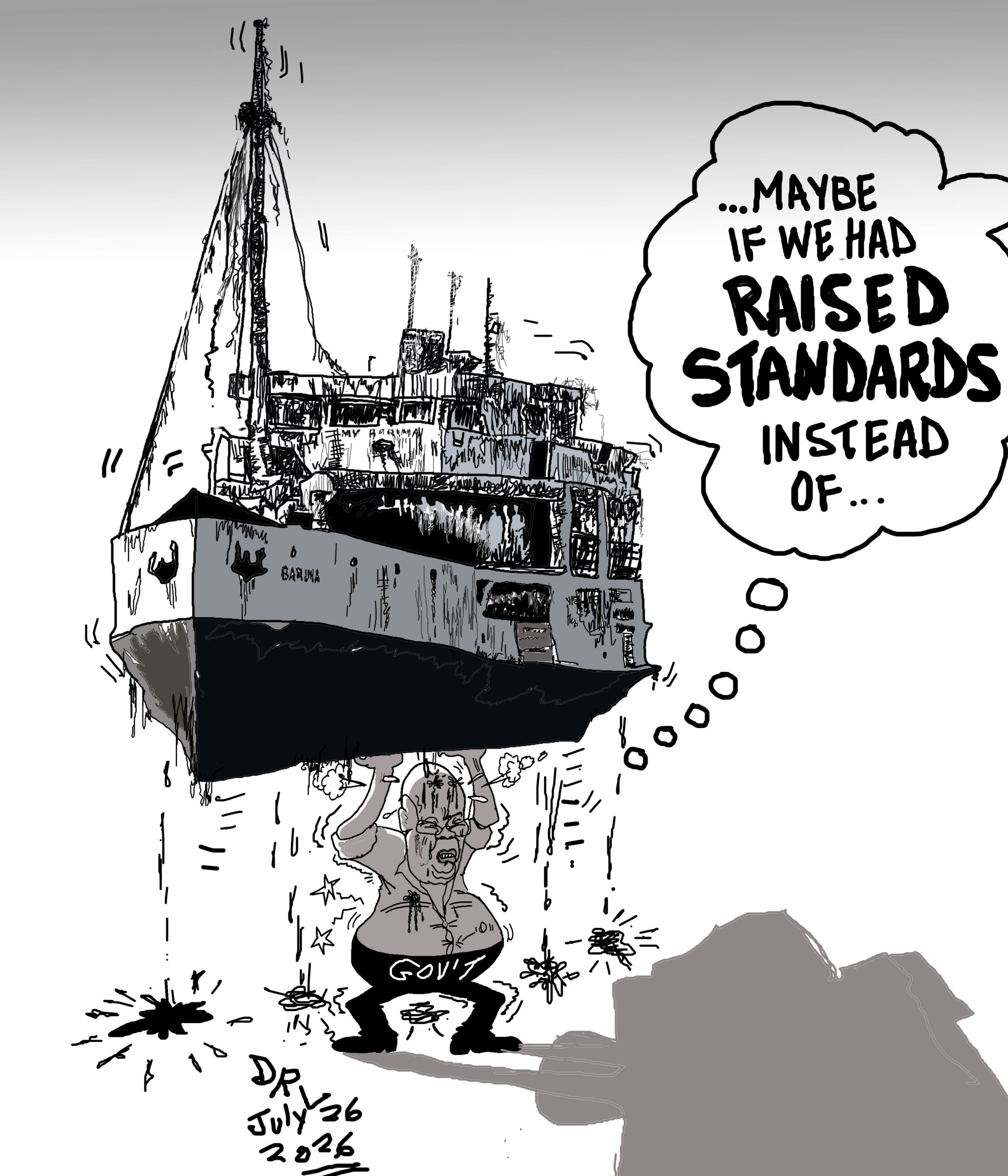
- ‘You can’t have both’ …Todd challenges parallel COI, murder prosecution of MV Barima crew
- Pres. Ali dodges media
- ‘Seaworthiness of MV Barima was MARAD’s responsibility, not charged crew’s’ – Dr. Todd
- ExxonMobil to conclude another exploration well next month
Ministry of Agriculture yet to release FAO study on fish decline
One month later…
Kaieteur News – The Minister of Agriculture, Zulfikar Mustapha has made it clear that his Ministry will not release the study on the declining fish catch that was conducted by the Food and Agriculture Organisation (FAO) on Kaieteur News’ timeline, but will do so when it is convenient to the government.

Minister of Agriculture, Zulfikar Mustapha
Mustapha gave this response to this publication weeks ago, following the official handing over of the study to the government on May 20, last. Since then, this publication has been following up with the Minister for a timeline in which the much anticipated study would be released. On Friday, calls to the Minister’s cell phone went unanswered. Messages sent to his Whatsapp also were ignored as the Minister was visibly online but refused to respond.
Oil giant ExxonMobil has warned in all of its Environmental Impact Assessments (EIA), prepared to date, that its offshore operations could impact marine species, including fish, but an “independent study” conducted by the FAO has found otherwise, Mustapha said in an earlier interview.
He explained that the study has concluded that the visible impacts to the local fisheries sector was merely as a result of climate change. According to him, “It’s not as a result of that (oil operations)…the report says about climate change and the fresh water that was responsible.”
On the other hand, the official added that there has been an increase in fish catches recently. However, when he was pressed to say how much of an increase and what method was used to determine the increase, Mustapha said he was in a meeting and would return a call.
The Minister did not keep his promise to call after his meeting and subsequent efforts to reach him by phone proved futile.
He had noted, during the earlier conversation, that the FAO report would be released shortly after the government peruses it.
Following the Minister’s pronouncement, Environmentalist Simone Mangal-Joly requested both government and the FAO to release the document, to assure the public of the report’s credibility.
In a letter addressed to the Assistant Director-General and Regional Representative for Latin America and the Caribbean, Mr. Julio Berdegue, Mangal-Joly explained that the statements made regarding the report must be immediately and publicly addressed by the highly respected institution.
“I hereby request that the FAO immediately and publicly address the matter of whether it has credible conclusions on offshore oil and gas impacts on fisheries and release the study to which Minister Mustapha refers with all supporting datasets. By providing this information, the public will be assured of the FAO’s comprehensiveness and neutrality, and the FAO will be able to maintain its image of respectability that the Guyanese People and indeed the People of the Caribbean deserve of a public agency,” she reasoned.
Fishermen in Guyana have been complaining bitterly of low catch over the past months, blaming the situation on oil giant, ExxonMobil’s operations offshore.
But even though high ranking government officials have shot down this claim, arguing that there is no data to prove this, Exxon’s subsidiary, Esso Exploration and Production Guyana Limited (EEPGL), which is gearing to startup production at the Yellowtail development, has warned that its operations can impact fish within the project site. In fact, this warning is included in all of the EIAs submitted by the company for its offshore operations.
For instance, deep within the EIA of the Payara Project are blatant admissions from EEPGL that this third oil development, which will produce over 220,000 barrels of oil per day, can have an impact on the migratory pattern of the local fish stock. It also warned that toxic effects can also be unleashed on these aquatic vertebrates.
Similarly for its fourth project, the Yellowtail development, EEPGL said marine fish could be impacted as a result of deteriorated water quality, from discharges generated during the project. In addition to poor water quality, acoustic effects or noise from the company’s operations can also cause fish to be impacted. These species can also be sucked into the equipment which Exxon will be utilising for oil production, the impact assessment cautioned.
Share this:

Discover more from Kaieteur News
Subscribe to get the latest posts sent to your email.
Similar Articles

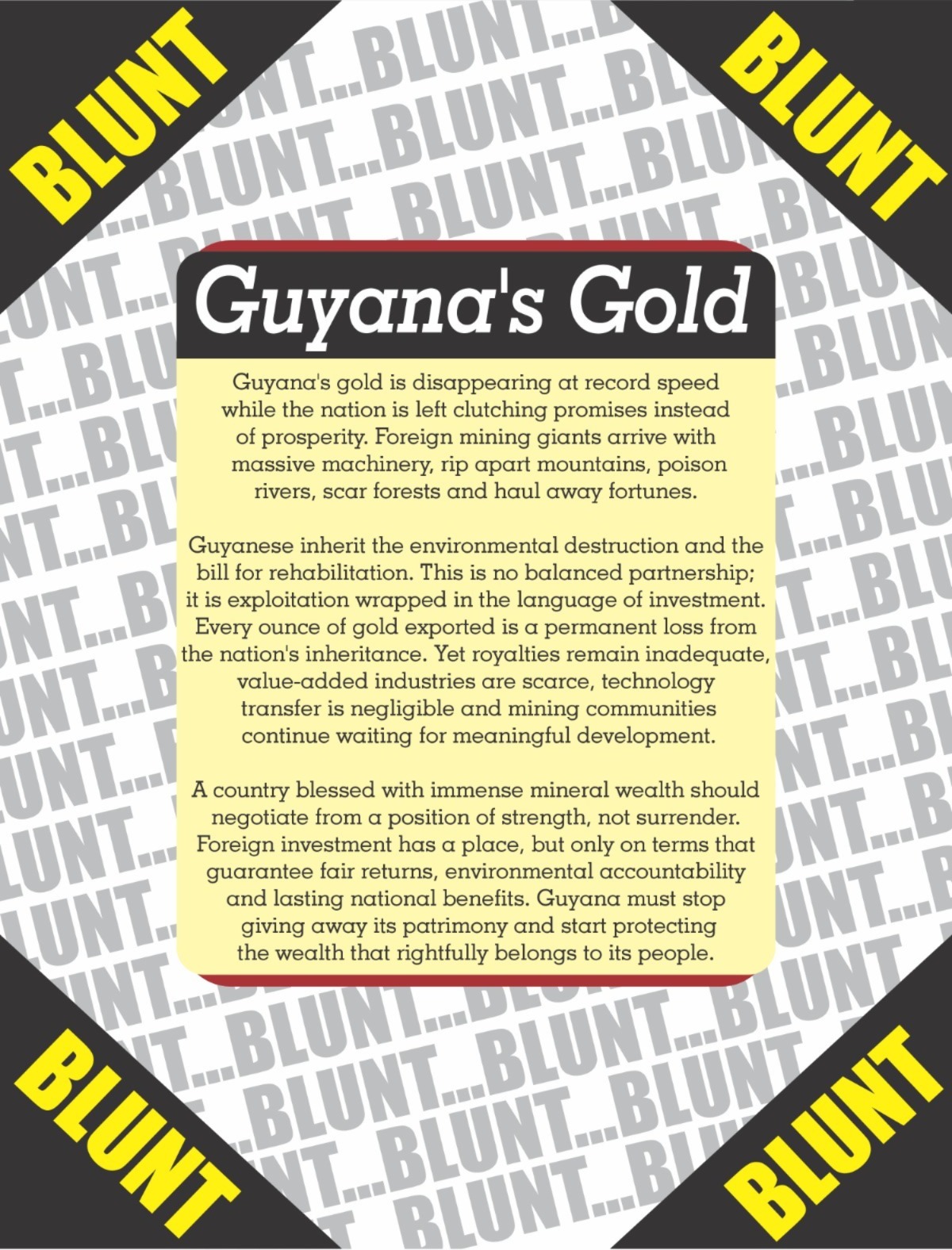
Blunt of the day
Sports
Features/Columnists

Sir. Ronald Sanders

The GHK Lall Column

Weekend Cartoon