Latest update October 14th, 2026 10:27 AM



Latest News
- Govt. briefs U.S. Justice Dept. on Mohamed shooting incident
- “Gun appeared out of thin air” – lawyer slams police over arrest of Mohamed
- U.S. wants tax incentives for American firms as Exxon enjoys tax-free deal
- Pope Leo diagnosed with cancer after surgery to remove part of lung
- US firm in move to take over Guyana gold project in US$4.2M deal
Food Security
Thus far, the focus has been on extending a helping hand to those who do not have the means to access the basics. The emphasis has been on the money that comes from stimulus relief, on timely assistance from government through releasing cash for small businesses and workers, especially those earning less. That is good, but now there are warnings of a bigger problem, which holds additional horrors. That would be food or, more precisely, lack of the personal and familial security made possible through access to whatever supplies are available.
The problem, sure to intensify, is on several fronts, but the emphasis here would be on quantity, availability, and prices. There was a jarring and troubling article on April 22 in the New York Times that brought home where things are and how they could deteriorate as early as by this yearend, a matter of mere months from now.
The caption said it all: “‘Instead of Coronavirus, the hunger will kill us.’ A global food crisis looms.” The stark and worrying gist of this piece is that this is an unprecedented hunger emergency, which could lead to a doubling to 265 million persons, across the globe that would face “acute hunger…by the end of this year.”
Unlike other food crises, the one that is being dealt with at present, which is almost certain to expand greatly, is not confined to any single region, but scattered through the continents. This is the story in Africa (Kenya), Asia (India) and Latin America (Columbia). “We don’t have any money, and now we need to survive” said a scared woman in Nairobi, who shares a home with five others, including her one child. The reality for her and family is “that means not eating much.”
This is, indeed, frightening, with more and more not working, while being forced to face a hungry present and a grimmer future with no resources to cushion or to carry forward. Food access and security, an always hovering problem-it may be because of war, poor weather, economic blight, or political instability-is now made worse by the effects of the Coronavirus plague. It is one of Biblical proportions that brings apocalyptic fears.
According to the New York Times, “National lockdowns and social distancing measures are drying up work and incomes and are likely to disrupt agricultural production and supply routes — leaving millions to worry how they will get enough to eat.”
It is a very physical and personal fear that batters the poor more than those at higher strata in society.
Guyana should be an exception, and this is even for those locked at the bottom of the food chain. On the plus side, we have abundant land and rich soil. We have many food crops that should comfort in a country that has a significant agricultural base. But there is the slowdown brought about by social distancing requirements, which is compounded by the instabilities of a never-ending political crisis that could not have occurred at a worst possible time.
From that is seeded all the simmering divisions that flourish so easily and reflexively in this untroubled and unmoved society. When we should be at our combined strongest, we are reduced to our weakest by our acute follies and chronic failures toward some form of unified national vision.
As the article pointed out, the COVID-19 virus could be reasonably and accurately termed the great equalizer relative to sickness, as it strikes and fells both rich and poor, without pausing to discriminate. On the other hand, regarding food availability and food access, the presence of the virus has “been the great revealer, pulling the curtain back on the class divide and exposing how deeply unequal this country is.”
That country is Kenya. According to Arif Hussain, chief economist at the UN’s World Food Program, there were 135 million living with acute food shortages, and another 130 million may be so affected by yearend.
Despite our agricultural pluses, this could be the future prospects of Guyanese poor, with the rich better positioned to eat. The warning is: be sensible, be ready to address this comprehensively and collectively. We cannot continue complacently here with the political limitations brought about by electoral conflicts.
Share this:

Discover more from Kaieteur News
Subscribe to get the latest posts sent to your email.
Similar Articles
Website Hits

Blunt of the day
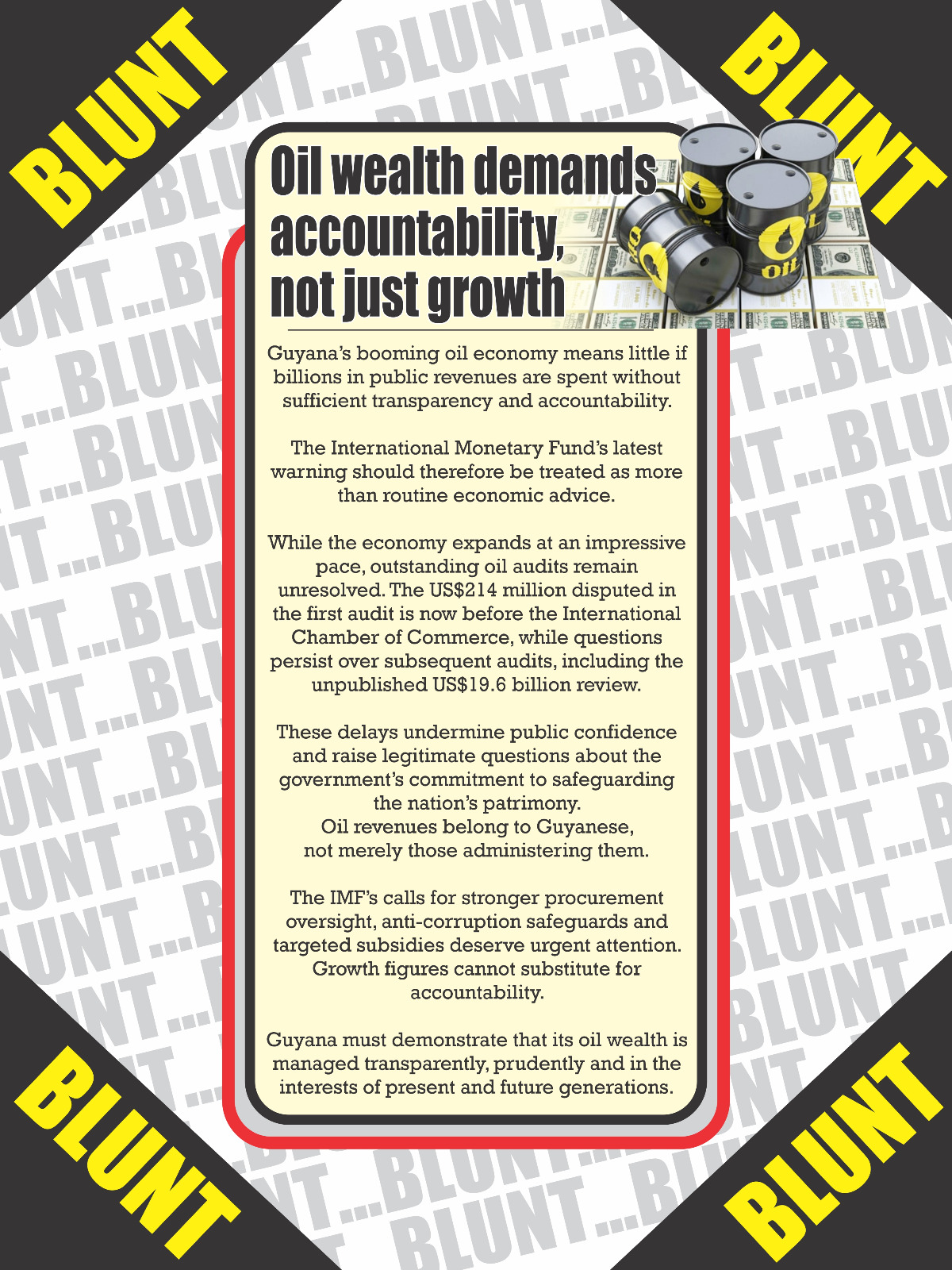
Sports

Features/Columnists

Sir. Ronald Sanders

The GHK Lall Column

Weekend Cartoon