Latest update September 3rd, 2026 10:25 AM


Fires are the result of poor building codes
Dear Editor,
There seems to be a dire lack of concern for the safety of people and property in Guyana by the Housing Authorities. Just a few months ago I indicated that Guyana has poor building codes and non-existent safety enforcement procedures. The recent fire at Cummings Lodge and at the Medical Storage bond in Patentia (West Demerara) bears sad testimony to this. A mere six months ago Fazia’s Collection building on Avenue of the Republic fell victim to similar tragedy. The fire at Gafoor’s bond a year ago further supports this analysis. Guyana needs a complete overhaul of its archaic building codes and safety standards. Here are some solutions:
1. Buildings in Guyana have no classification. Single family homes are converted into tenant occupied portions so that homeowners can accommodate family members and get some income. The flaw in this is that there is the same original plumbing and electric systems that now have to support more lighting and appliances. As Guyana is entering the technology era, a host of appliances are utilized—almost always, invariably, from one outlet. A microwave oven, an air conditioner and an iron can total as much as 4,000 Watts—enough to induce overloading and precipitate (sparks) fire. Extension cords, most times hidden under carpet, with their multiple connections pose extreme fire hazard. Then there is the scenario where persons break off one of the prongs in three way plugs to accommodate plug-ins. The earth safety is thus discarded and overloading is facilitated.
2. Single Room Occupancy (SRO) buildings, prevalent in the University vicinity, need to be registered with the Building Department and given a Registration number. In this way inspection, say on a yearly basis, can be carried out, safety designs instituted, and complaints taken and investigated. A phone # must be established for this. 35 persons occupying uninsured building borders on insanity.
3. Commercial buildings need sprinkler systems: a series of road-side connections to connect fire hoses which will distribute water inside a building in event of fire. Automated oxygen retardant systems need to be installed inside where an increase in temperature (say at 110 F) will trigger off the chemical spray. As this chemical sucks out the oxygen the fire will be greatly contained. Smoke alarms are cheap and should be installed along corridors which are the principal pathways for smoke.
4. Bonds, regardless of what is stored, need to be sectionalized, much like the compartments in ships such as oil tankers. Concrete separating walls with steel (fire-proof) connecting doors must be the code for storage warehouses. This, coupled with periodic safety inspections, must be the way forward. Storage of cooking gas containers must never be inside a closed building. Propane is highly flammable (after all people cook with it) and needs to be stored outdoors: any leakage/explosion will dissipate harmlessly into the atmosphere.
5. Perhaps the worst aspect of construction in Guyana is the electrical system, material and installation codes. This is in serious need of overhauling. Systems such as 100 Amperes distribution with Fly Back Breakers are the standard for commercial buildings such as warehouses, offices, shopping centres, and night clubs and so on. This is virtually non-existent. JFI outlets (with built in overload kick-out) rarely exist while electric wiring is predominantly vinyl coated (easily combustible) copper wire. Additionally, old wiring, coupled with corroded fuses, which do not trip or ‘blow’, poses severe risk of fire. As evidenced in the Cummings Lodge case.
6. The Bureau of Standards must arise from its slumber and monitor the very poor quality of electrical fittings and accessories (mostly from China) that flood the Guyanese market. And the Housing Authority must determine the safety features and occupancy of commercial buildings. The partitioning of buildings with the mere addition of a few walls to obtain an ‘apartment’ to get rental income has proven to have fatal consequences.
Leyland Chitlall Roopnaraine
Real Estate Builder (New York)
Share this:

Discover more from Kaieteur News
Subscribe to get the latest posts sent to your email.
Similar Articles
Website Hits

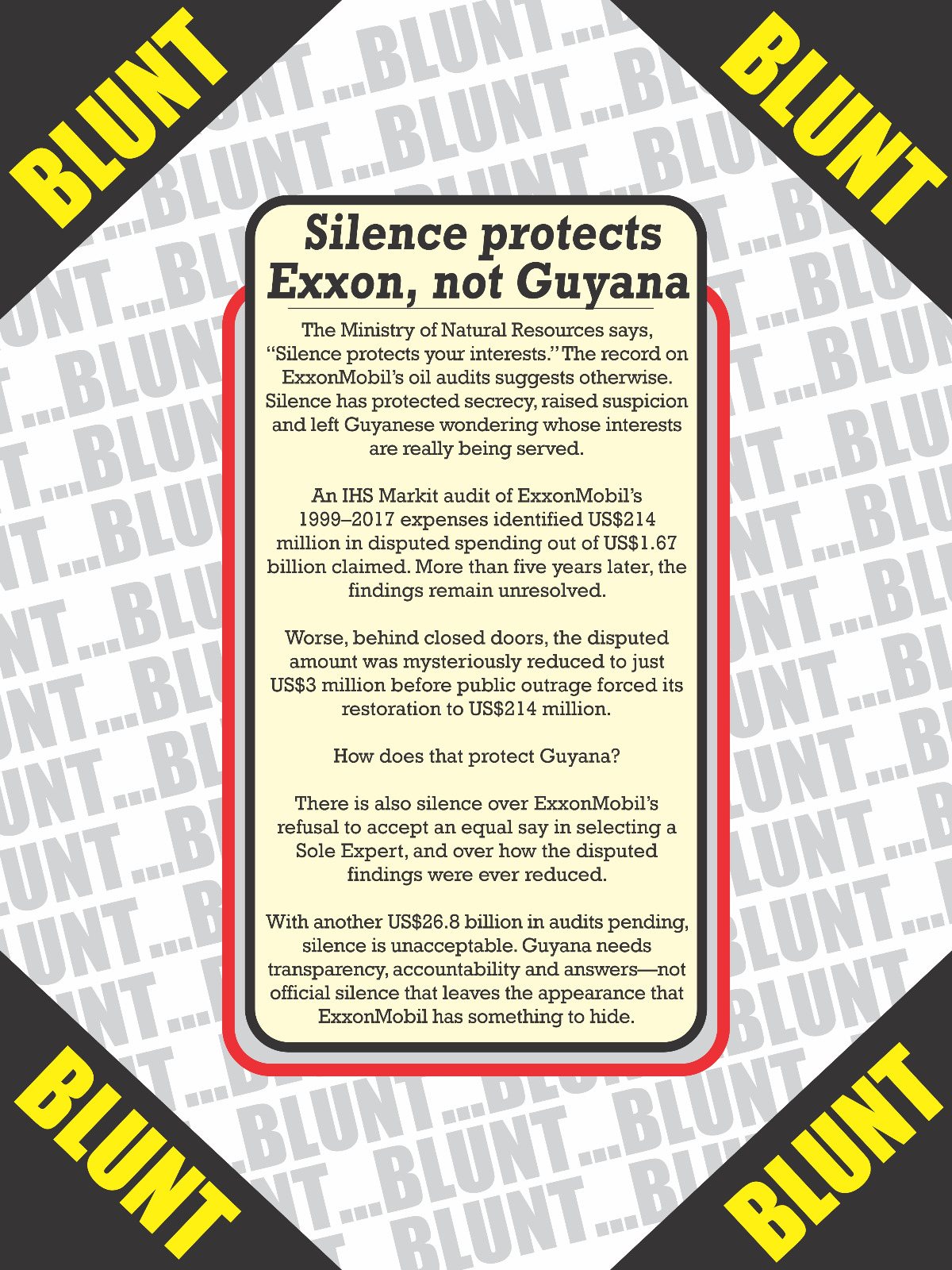
Blunt of the day
Sports

Features/Columnists

Sir. Ronald Sanders

The GHK Lall Column

Weekend Cartoon


