Latest update October 16th, 2026 10:24 AM



Latest News
- Ivor English applies for mining permit renewal after Govt. claimed no involvement in sector
- “Old technology of eyeballs” hampered night search for MV Barima survivors
- Guyana bids final farewell to Robert Corbin
- Jagdeo warns PPP, PNCR face extinction if they fail to adapt
- Man wanted by INTERPOL nabbed in Lusignan
Sexual offences
Editorial…
(Kaieteur News) – The rape of a 26-year-old woman in West Bank Berbice last week is one of those crimes that should make every decent citizen angry.
According to the victim’s account, she was asleep in her home with her young daughter when her brother-in-law allegedly entered, grabbed her by the throat, threatened to kill both mother and child, and then raped her.
During the ordeal, the terrified woman pleaded repeatedly for him to stop. He ignored her.
Afterwards, he reportedly drank a beverage from her refrigerator, boasted about enjoying himself and suggested there would be another encounter.
The cruelty of the allegations is chilling. The brazenness is even more disturbing. This was not a crime committed in a dark alley by a stranger. It was allegedly committed by a man known to the victim, inside her own home, in the presence of a child who was so frightened that she pretended to be asleep while listening to threats against her mother’s life.
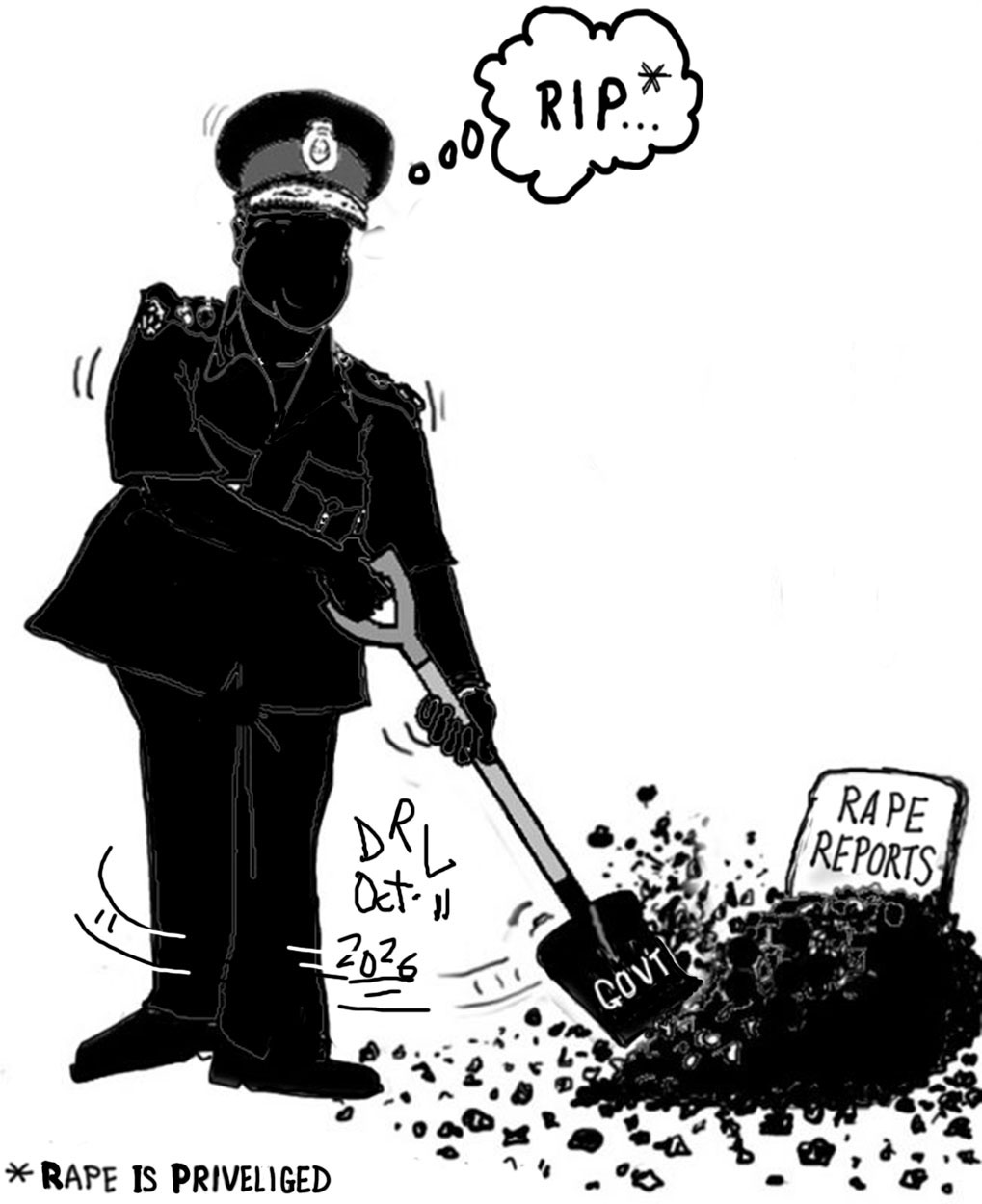
As Guyanese digest the details of this horrifying case, another national debate is unfolding over government’s proposed closed sex offender registry. Officials have argued that the names of convicted sex offenders should not be publicly available. The rationale offered ranges from rehabilitation concerns to fears of stigmatisation.
But cases such as this expose the dangerous flaw in that thinking.
A sex offender registry exists for one reason above all others: public protection. It is not intended to comfort offenders. It is not intended to shield reputations. It is not intended to help predators avoid the social consequences of their actions. It exists to provide information that allows citizens to make informed decisions about their own safety and the safety of their children.
The question government supporters have failed to answer is simple: Who benefits from secrecy?
Certainly not victims.
Certainly not parents.
Certainly not communities.
When a person is convicted of a serious sexual offence, society has a legitimate interest in knowing who that individual is. Sexual crimes are unlike many other offences. They often leave victims with lifelong trauma. They frequently involve vulnerable persons. Recidivism remains a concern. Families, schools, churches and neighbourhoods deserve the ability to protect themselves.
Imagine a convicted rapist moving into a community. Under a closed registry, neighbours may never know. Parents may never know. Single mothers may never know. Employers responsible for vulnerable workers may never know. Citizens would be expected to trust that the State alone can monitor and manage every risk.
That is not realism. That is wishful thinking.
The current controversy has exposed a troubling philosophy: that the privacy of convicted sexual predators should sometimes outweigh the public’s right to know. That position turns justice on its head.
What about the privacy of victims whose lives are shattered?
What about the freedom of women who must constantly assess threats in their surroundings?
What about the right of parents to know whether a convicted predator lives near the route their children walk to school?
A closed registry effectively transfers risk from offenders to the public. It shields the identities of those who committed grave violations while leaving ordinary citizens uninformed.
No one is suggesting vigilantism. No one is suggesting mob justice. Convicted offenders who have served their sentences retain legal rights. But the public also has rights—particularly the right to information necessary for personal safety.
The woman in Berbice will carry the scars of this alleged attack long after headlines fade. Her daughter will likely remember that night for years. Countless other victims across Guyana have similar stories, some even more horrific.
It is therefore astonishing that, at a time when sexual violence remains a major national concern, policymakers are contemplating a system that conceals the identities of convicted sex offenders from the very people who need that information most.
The State’s responsibility is first and foremost to protect the innocent. A registry hidden from public view does not protect the innocent. It protects information. And when information about convicted sexual predators is hidden, the people left exposed are ordinary citizens.
A society that keeps rapists secret is not standing with victims. It is standing between victims and the knowledge they need to protect themselves.
Share this:

Discover more from Kaieteur News
Subscribe to get the latest posts sent to your email.
Similar Articles
Website Hits

Blunt of the day

Sports

Features/Columnists

Sir. Ronald Sanders

The GHK Lall Column

Weekend Cartoon