Latest update January 13th, 2026 12:59 AM

Oct 28, 2025 News
In response to the urgent need to improve medical waste management, 13 countries in Latin America and the Caribbean are updating strategies and technical capacity to manage and safely dispose of medical waste like syringes, used laboratory and biological products, and electronic parts.
The programme, implemented by the Pan American Health Organization (PAHO) and funded by the Canadian government, is building a network of public health officials immersed in medical waste management. With PAHO’s support, public health leaders are updating laws and technical standards, investing in infrastructure, and strengthening transport and final disposal systems through proper licensing, tracking, and environmentally safe landfills.
Some 70% of the waste generated by hospitals and medical facilities in Latin America and the Caribbean is inadequately managed, posing a risk to public health and the environment. Much of this waste, which often contains bodily fluids, is either dumped in landfills or worse, carelessly discarded and eventually ends up in the ocean. Poor management risks the spread of disease and pollutes the water, air, and soil.
“The tremendous need for medical waste management became even more stark when the COVID-19 pandemic drove a dramatic increase in the generation of waste,” said Luis Francisco Sánchez Otero, regional advisor on chemical safety in PAHO’s Environment and Climate Change unit. “With Canada’s support, we’ve been able to help countries make progress in developing and implementing better disposal strategies.”
With PAHO’s support, five of the thirteen countries – Costa Rica, Cuba, the Dominican Republic, El Salvador, and Panama – already have national strategies. In parallel, PAHO has trained 70 health professionals from Bolivia, Costa Rica, and El Salvador to develop plans for managing waste from generation to final disposal at individual health facilities. Panama is next and training will begin soon, according to Dr. Sanchez. PAHO has also provided Bolivia with technical support to help update a 20-year-old waste management law.
In August 2025, PAHO organized a three-day fact-finding and learning mission in Medellin, Colombia, bringing together 21 public health professionals from 13 countries to study and share best practices in efficient medical waste management. The group visited a handful of health facilities in Medellin, including basic health posts and hospitals that provide advanced care. The workshop promoted structured dialogue and urged participants to identify and document the gaps in medical waste management in their respective countries. On the itinerary was the Pablo Tobón Uribe Hospital, a facility with specialized medical services, diagnostics, and treatment methods. Here, Herlyn Danilo Vitola, an environmental engineer, took the group on a tour of the hospital to demonstrate how biological, chemical, and ordinary waste is separated. “The waste is weighed, and the scale automatically captures the data, including which floor the waste came from,” he said. “Then the hospital knows, for example, where and why waste could be increasing, which allows us to manage it more accurately.”
For Óscar Orellana, chief of recycling and waste for El Salvador’s recently created National Solid Waste Authority, known as ANDRES, the visit opened his eyes to new ways of managing biological and electronic waste. “There is a lot to learn from the experiences of other countries,” Orellan said. “We want to take what we have learned here and adapt it to our own circumstances, improving our system for managing biological waste and the waste generated by X-ray devices.”
One lesson gained from the visit and workshop is the need to improve the regulatory frameworks governing medical waste management in Caribbean countries, especially for island nations like the Bahamas and Jamaica, which are geographically limited and already dealing with solid waste management challenges. “We found that most of the countries here are ahead in terms of legislation. So, we need to work faster and more efficiently in terms of developing our policies, guidelines, and standards,” explained Jennifer Savariau, Jamaica’s director of Medical Waste Management.
The participants conducted stop gap analyses that highlight missing strategies, resources, skills, or technologies needed to reach sustainable targets. In addition, by understanding these gaps, PAHO can develop targeted action plans to improve technical assistance and how donor funds are spent in the future. The 13 countries participating in the program include Bahamas, Belize, Bolivia, Colombia, Costa Rica, Dominican Republic, Ecuador, El Salvador, Guatemala, Honduras, Jamaica, Paraguay, and Peru.
Subscribe to get the latest posts sent to your email.
Your children are starving, and you giving away their food to an already fat pussycat.
Jan 13, 2026
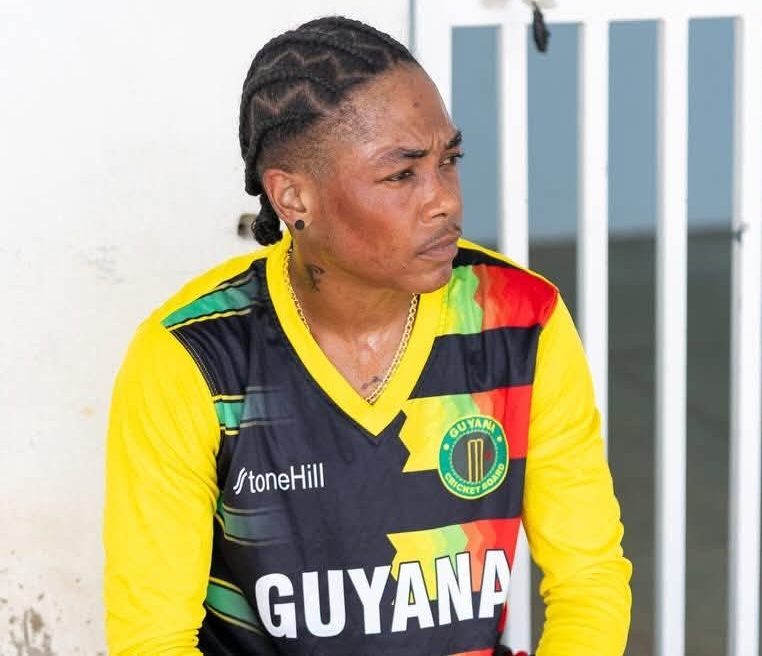
CWI Women’s Blaze T20 Championships Round 1… Kaieteur Sports – The defending champions Guyana face-off against Windward Islands today in St. Vincent, as the Cricket West Indies (CWI)...Jan 13, 2026
Kaieteur News – In the blood-soaked dawn of 3rd January 2026, when American bombs fell on Venezuelan soil, when Venezuela’s president was abducted by force and spirited away to a New York jail, and when the United States’ warships stalked Caribbean waters like predatory leviathans, one...Jan 04, 2026
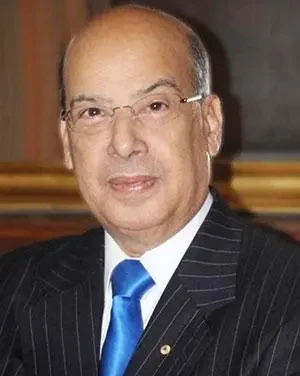
By Sir Ronald Sanders (Kaieteur News) – As 2025 draws to a close, the Caribbean Community stands at a moment that calls for less rhetoric and more realism. CARICOM is experiencing a period in which external pressure is intensifying, new norms are hardening among powerful states, and the need for...Jan 13, 2026
Kaieteur News – Note is taken of Guyana-US talks about this country accepting the citizens of other countries here (Demerara Waves, Jan 05, 2026). It is polite to call that process talks, which may already have concluded. Guyana gets to look good: it is locked in discussions with the mighty...Freedom of speech is our core value at Kaieteur News. If the letter/e-mail you sent was not published, and you believe that its contents were not libellous, let us know, please contact us by phone or email.
Feel free to send us your comments and/or criticisms.
Contact: 624-6456; 225-8452; 225-8458; 225-8463; 225-8465; 225-8473 or 225-8491.
Or by Email: glennlall2000@gmail.com / kaieteurnews@yahoo.com