Latest update October 4th, 2026 10:26 AM


Latest News
- UG set to graduate more than 3,700 students at 60th Convocation
- TGA eyes direct Georgetown-Cayenne flights after Guyana-France air deal
- Ram: If court is the only language NIS understands, then court it will be
- No apology but King Charles will not shy away from slavery issue during Caribbean tour, Buckingham Palace says
- Guyana, Uganda forge aviation cooperation pact
Road Safety Week
Kaieteur News – This year’s UN Road Safety Week theme has significance, could save lives. “Rethinking Mobility” has a lot to recommend it, one of which is that there is a diversion of risks, and another being diffusing the concentration of mechanical energy on the roadways, while at the same time something is being done with what goes up into the atmosphere and endangers this planet further, quicker. At the crux of the theme of “Rethinking Mobility” is the getting out of the car and start walking, cycling, and using public transportation. There can be no question of the benefits that flow from that sensible bag of recommendations, and we think that it should be given a try right here.
Right away, notwithstanding potential road safety pluses, we run into some concerns. It is easier to get a Guyanese to undergo a root canal than to get him or her to leave the SUV or sedan. Drivers will complain long and hard about the traffic congestion that is now a daily norm in the morning and evening rush hour, but they will not come out of their vehicles. Similarly, they will lament at length about how many hours are lost in the daily roundtrip commute to work, school, or business, but they will not leave their machines. Further, parking in the capital city, the heart of Guyanese activity, is a daily purgatory, but nobody is willing to leave their personal 4-wheeled mobility apparatus behind.
We do well to remind everyone of the war that broke out, when a move was made to bring some order to the chaos that is Georgetown, through the introduction of parking meters. The reasons were many, with some good ones, but the primary one was that most Guyanese have grown fond of the freedom to park anywhere they wish, and the closer to their destination the better, since such would mean doing as little of any of those three elements that go under the UN’s Road Safety Week theme. If they have to park illegally (block a private residence or place of business), then that is what will be to a good degree because of how much Guyanese drivers have fallen in love with driving.
Then, there is the matter of fear, the legitimate fear of local road users to walk on our roads due to deep anxieties about becoming a victim of reckless, dangerous drivers, who have as much respect for Traffic Laws, as they do for women, children, and the elderly. Walking is certainly a healthy activity, but with roads tight and no space to walk in, too many places on our roadways, to walk is to take one’s life into one’s hands. Or, putting it into that of a speeding driver. Areas (zones) earmarked for walking exclusively are just not available, which means that walkers and cyclers are sharing the same narrow spaces with drivers. It is an invitation to danger. We would heartily support getting out of vehicles and getting onto the roads, but only on the condition that there are lanes set aside for both walking and cycling.
Regarding public transportation, that is a safe and secure environment, and usually a far more economical one, in the developed countries. In Guyana, public transportation largely means minibuses, and just the mention of the word is enough to bring a wave of chills. There is simply too much speeding, too much vulgarity, and too much lawlessness, which are some of the more memorable aspects of the public transportation culture in Guyana. We have difficulty visualizing any driver, particularly a female one, leaving her private vehicle behind, and taking a chance with a minibus.
Realistically, some things have become too deeply embedded in the Guyanese assessment and outlook on life for such radical steps as walking, cycling, and taking public transportation to be warmly received, when one’s own vehicle has to be left behind. We think that robust and consistent application of Traffic Laws can be a big contributor to road safety locally. A greater police presence on our roadways, with an emphasis on known danger areas, has its own values. Serious and clean enforcement of the Traffic Laws can save the day, if not lives.
Share this:

Discover more from Kaieteur News
Subscribe to get the latest posts sent to your email.
Similar Articles
Website Hits

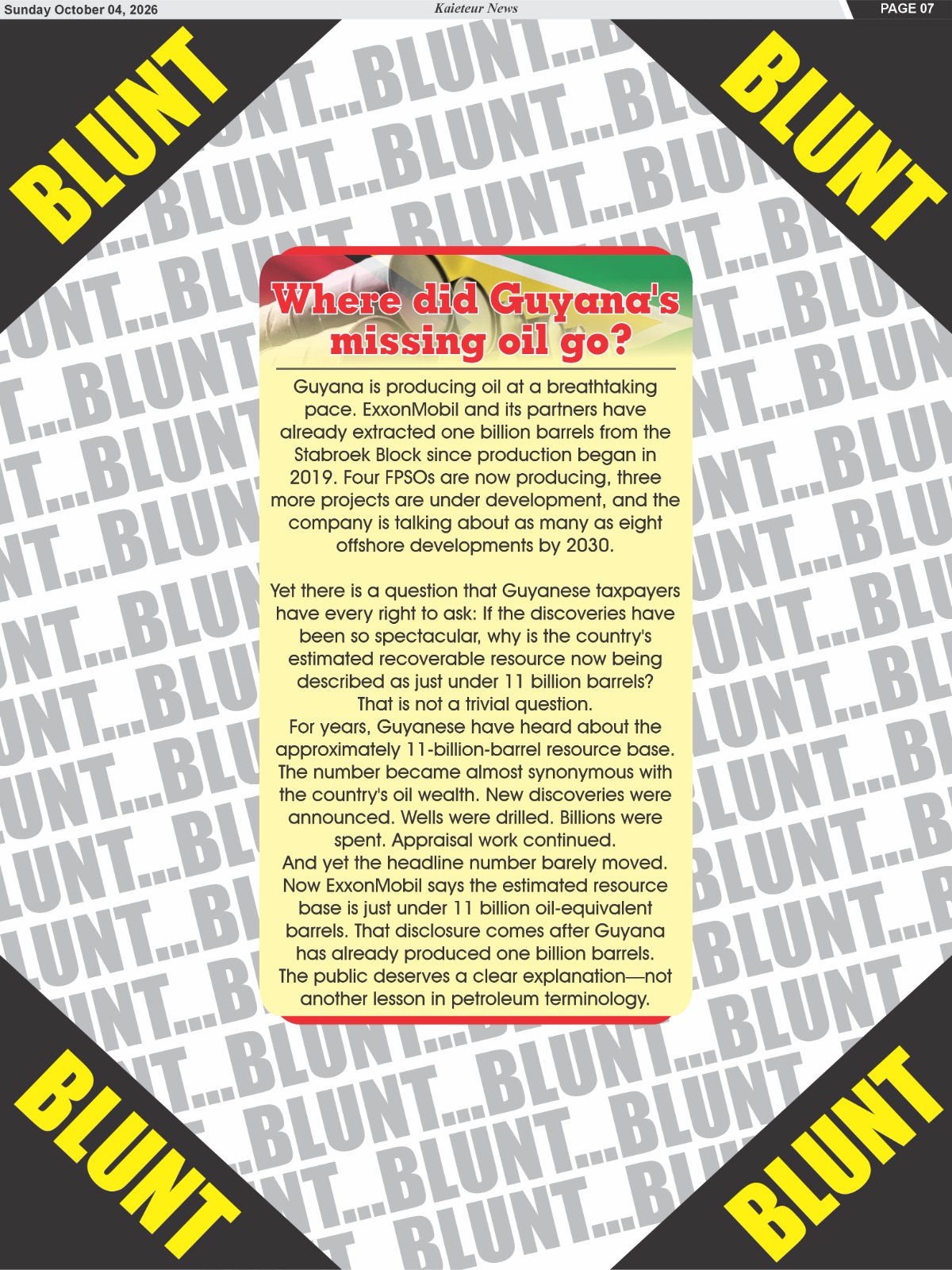
Blunt of the day
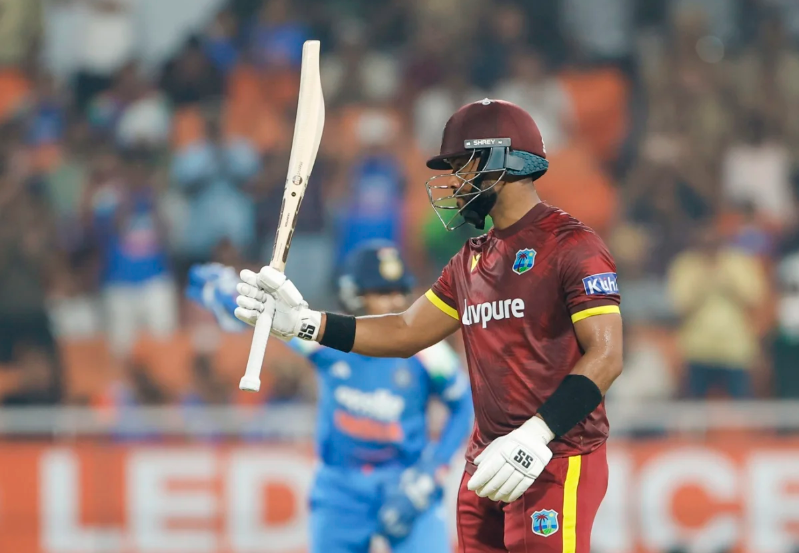
Sports
Features/Columnists

Sir. Ronald Sanders

The GHK Lall Column

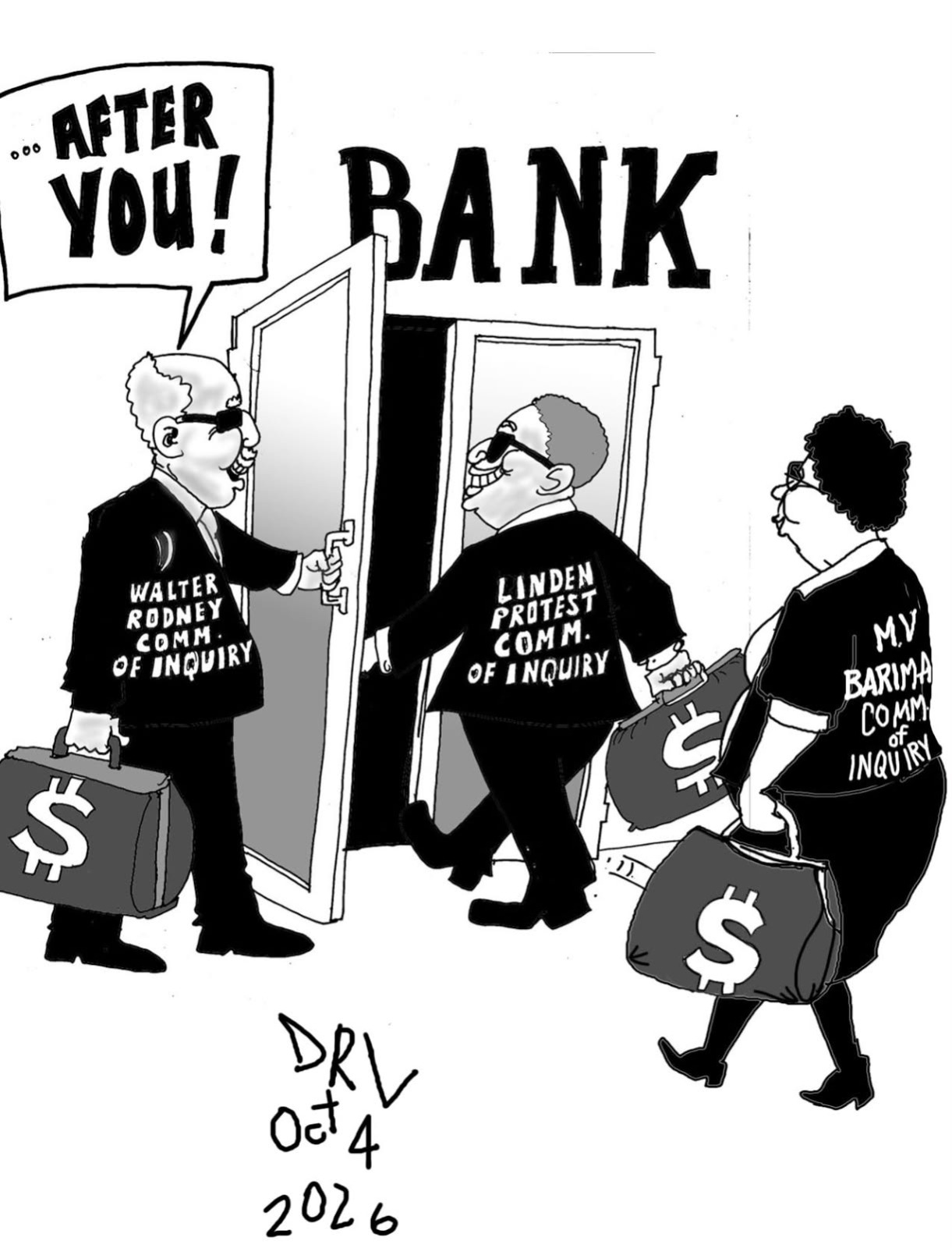
Weekend Cartoon