Latest update October 15th, 2026 10:30 AM



How prepared is the under-40 generation for nation-building?
Dear Editor,
I’m writing to follow-up two recent letters which were based on a review of the 2012 population Guyana census published last year. In those letters I focused primarily on the continuing contraction of the Guyana population since 1980 (Our falling population: shouldn’t we be concerned about this? KN, 30 July) and the massive impact of emigration in that contraction (The national discourse cannot afford to ignore large-scale emigration, KN, 6 August). In this letter I want to focus on another feature of particular significance for Guyana, that is, the fact that 70 percent of the current population is below the age of 40.
The high proportion of young people in the population is not remarkable in itself. This is what you expect in a population with a significant rate of natural increase. In fact, the proportion of under 40s in the Guyana population has actually declined – it was 75 percent up to 2002.
This fact, however, has special significance in the Guyana context. It means that well over 70 percent of the Guyana population was born since 1970, and therefore their perceptions and sense of normalcy have been molded entirely by the nightmare experience of the last forty-odd years.
To see what I mean try to tell anyone in that age group about the time before and see the stunned look of disbelief on their faces. Try to tell them that there was a time when there were no blackouts, that water flowed freely and there were no black tanks on rooftops, that there were hardly any homeless people parading the streets of Georgetown and other communities.
True enough, there were a few well-known street characters – ‘Honey B Bottle’, ‘Walker the British’ and ‘Peas Head’ come readily to mind – but although I had no idea where lived, you certainly didn’t find them sleeping and otherwise performing their daily lives on the street. In Costello Housing Scheme where I grew up, the thought that showering and flushing toilets upstairs could be a problem simply never occurred and there was no need to equip the house with a black tank or pump. Crime and the sense of insecurity that comes with it was nowhere on the scale that it has reached and homes were not grilled like prisons.
We could never find the door key so we simply left the window next to the door unlocked. One Guyana Dollar was worth forty US cents. Nowadays, two Guyana Dollars will barely give you one US cent. Georgetown was covered by one well-run bus service and there were no mini-buses. A bus fare was seven cents.
Why do I drag up the past like this? The point I want to make is that the conception and execution of the way forward will depend largely on this very generation in their forties and under, and it is therefore important to confront the distorted sense of normalcy and attitude of resignation that have emerged.
Since my return to Guyana I have had occasion to draw attention to things that don’t seem right only to be greeted with a shrug and the expression “this is Guyana”. It is as if I should know better than to expect high standards and improvement in Guyana. With blackouts occurring frequently, I sometimes wonder if part of the problem is not that people have become so accustomed to them that the sense of urgency to solve the problem once-and-for-all has been blunted. This may be the case with other things that need fixing in the country.
Our country needs reform on many levels if our future is not to be a sad rerun of past failures. It is natural to expect the under 40 generation to play a dominant role in moving the country forward. Democracy demands it. It is therefore important for that generation to understand its subjective biases resulting from the traumatic experience of past decades if it is to rise above the errors of the past. As we attempt to go forward, it will be necessary to have a profound understanding of where we stand in order to be able to project a progressive future vision to act upon.
Desmond Thomas
Share this:

Discover more from Kaieteur News
Subscribe to get the latest posts sent to your email.
Similar Articles
One thought on “How prepared is the under-40 generation for nation-building?”
Website Hits

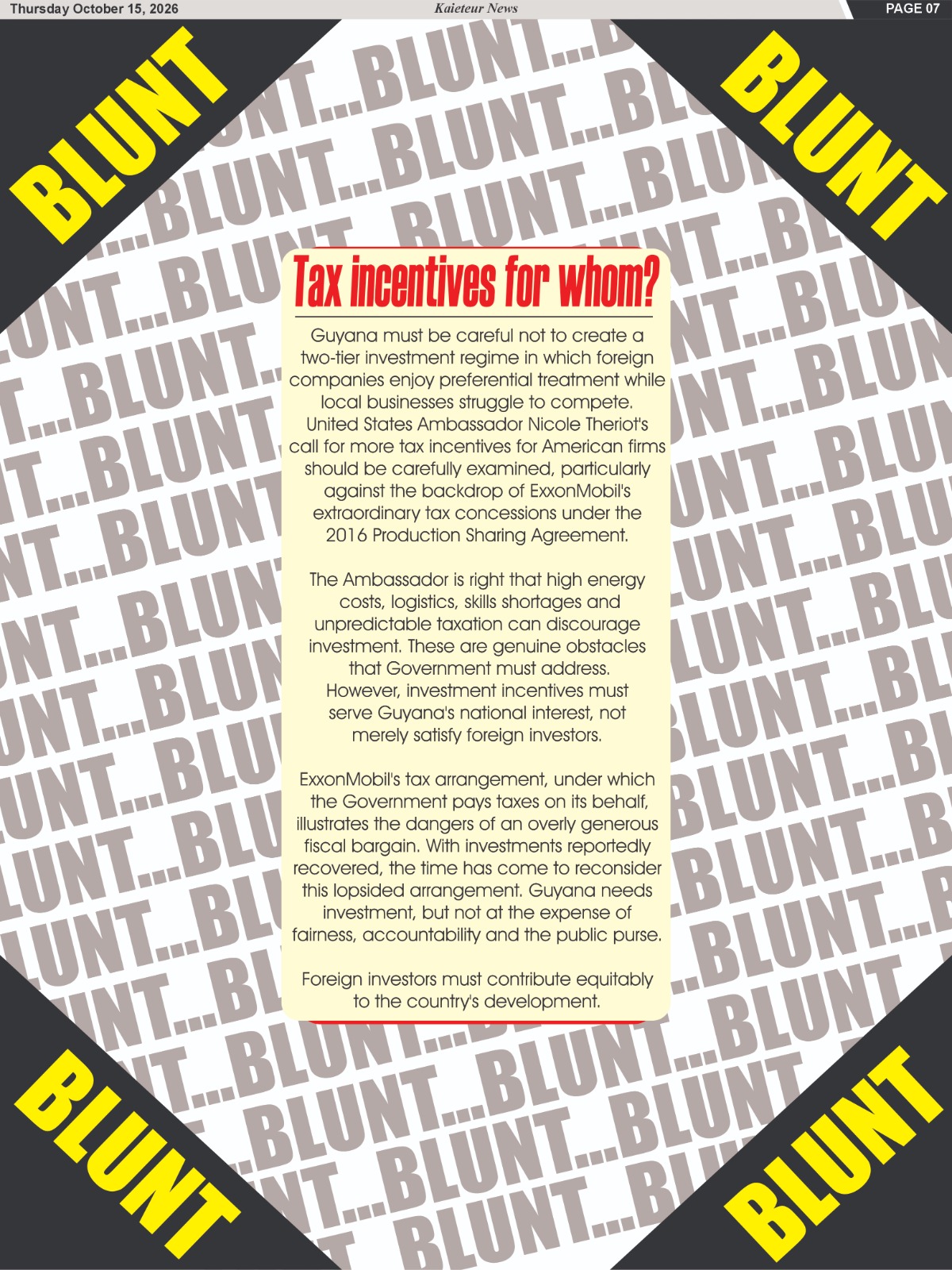
Blunt of the day
Sports

Features/Columnists

Sir. Ronald Sanders

The GHK Lall Column

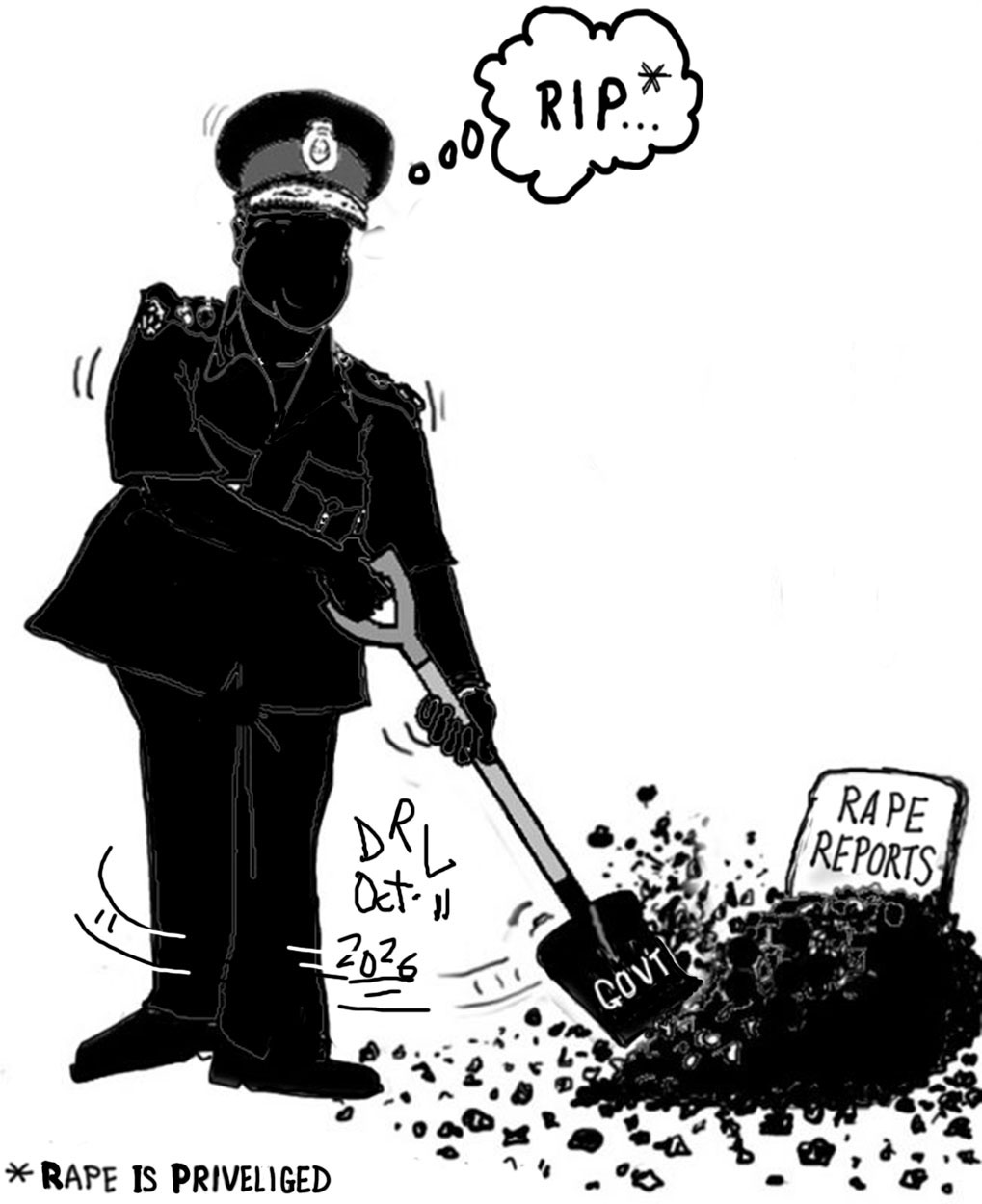
Weekend Cartoon


The under forties are never going to gain the necessary experience for positions of responsibility when it seems you have to have reached, or are fast approaching dotage / senility to obtain employment in those positions.