Latest update March 16th, 2026 10:23 AM


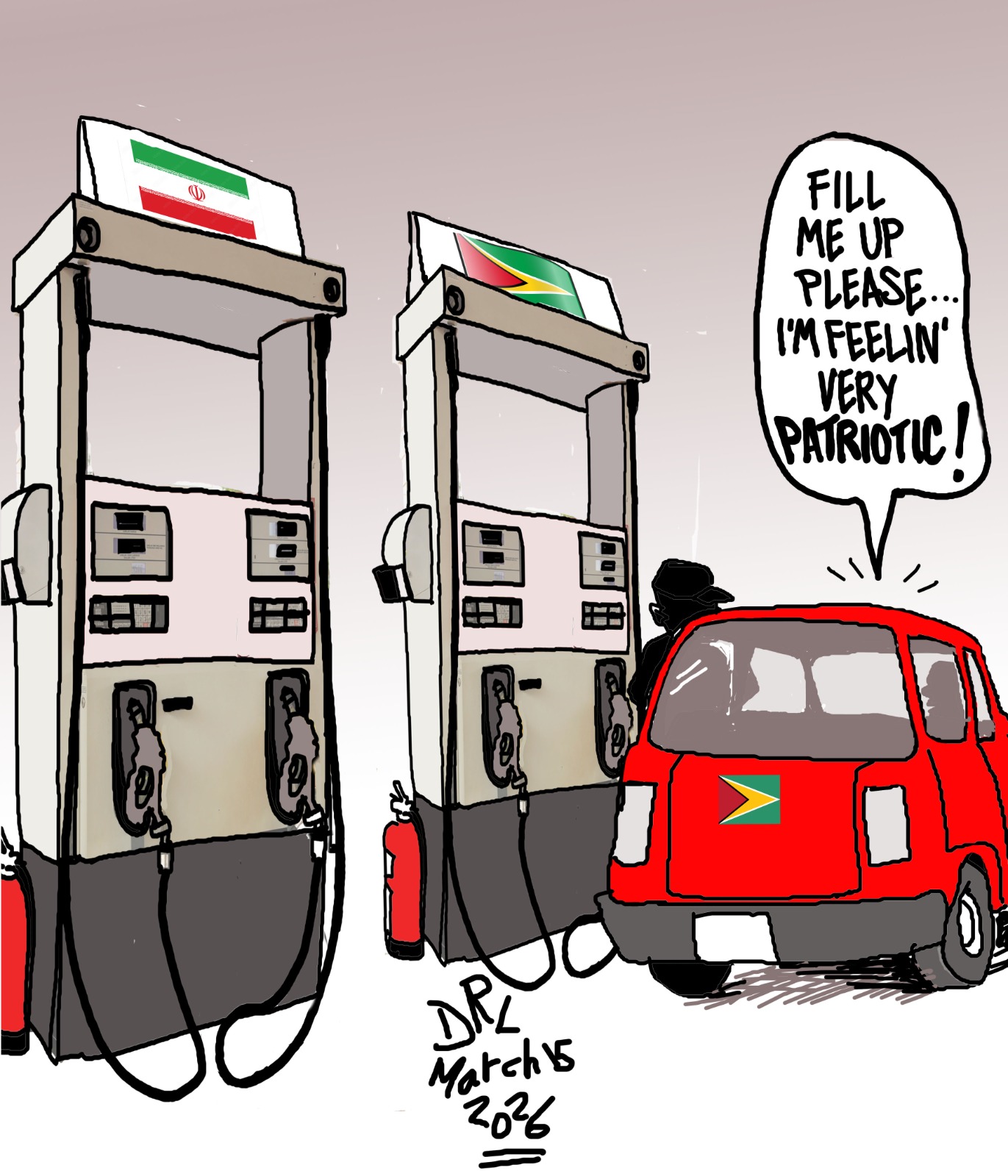
Iran holds the key to reopening global energy markets
(Reuters) – When Saudi Aramco told its oil buyers in a letter this week that it had no clear idea which port it would use for April exports, it laid bare a new reality: Iran, not the United States, holds the key to reopening the global energy market.
The letter, sent Saudi oil buyers around the world, said they might receive oil from the Red Sea, but they might still get it from the Gulf.
“I might as well call Iran to find out when this war ends so I can get my oil,” one regular Saudi oil buyer said upon receiving the letter as war raged across the Gulf and Iran shut down the Strait of Hormuz.
The comment reflects the growing conviction inside and outside the Middle East that while the United States and Israel could declare the war over at any time, Iran will have the final say about the duration of what the International Energy Agency has described as the most severe oil and gas supply disruptions ever.

The U.S. and Israel-led war in Iran has now entered week three, causing the biggest oil disruption in history (CNN photo)
U.S. President Donald Trump has repeatedly said the United States is close to winning the rapidly escalating war, but his indicated timeframes range from days to weeks.
Iran has retaliated against the U.S.-Israeli attacks on it by firing drones and missiles at ships in the Strait of Hormuz, effectively shutting down the flow of around 20% of global oil and LNG supply to refiners, petrochemical and power plants, and energy-intensive industries around the world.
Executives at Middle Eastern companies and their Western peers warn it will require more than just U.S. assurances of safety to restart shipping traffic and production even if the fighting ceases immediately.
Tehran’s capacity to produce and deploy low-cost drones means Iran has an ability to disrupt or paralyse shipping that could long outlast a declaration from its attackers that combat operations are over.
Trump has said the U.S. might send military escorts to help restore traffic through Hormuz and urged allies to send warships to secure the strait.
Naval escorts, however, would fail to normalise traffic unless the U.S. and Israel agree terms with Tehran that include it halting its attacks or threats on shipping, a senior Gulf energy industry official said, adding that his tankers would stay put until Iran guarantees safe passage.
If the U.S. and Israel declare victory on terms that Iran does not accept, then Tehran would want to show it has not been defeated by causing more disruption with mines and , said Neil Quilliam from think tank Chatham House.
Drones also targeted the UAE’s oil loading hub in Fujairah on Saturday, just hours after the U.S. hit military targets on Kharg Island, home to Iran’s main oil export terminal.
Iran is sending a message that there is no safe harbour in this conflict and that Washington will not control the terms of escalation, said RBC Capital’s Helima Croft, a former CIA analyst, pointing to the possibility of proxy attacks from Yemen, in Iraq and elsewhere.
Yemen’s Iran-allied Houthis could further raise the stakes for the energy and shipping industry, and by extension the global economy, by attacking Saudi Arabia’s Red Sea port of Yanbu, the kingdom’s only current alternative oil-export route.
COLLAPSE IN CONFIDENCE
The crisis has collapsed confidence in supply routes and exposed the region’s weakness in defending its energy system, an Iraqi government energy adviser said. Repairs will take months and insurance for shipments will be more expensive and harder to find because of the perceived higher risk, he added.
Iranian attacks have caused shutdowns at refineries in Saudi Arabia, the UAE, Bahrain and Israel, sending oil and gas prices surging by as much as 60%.
Even a quick resolution to the conflict would see weeks of market disruption, analysts including from Morgan Stanley said.
Global oil companies might be slow to return to the Gulf, delaying restarts at some fields and risking damage to reservoirs, analysts from Rapidan Energy said.
The closure of shipping lanes has also forced producers to cut output as they can no longer export their barrels. Aramco has shut production from two large offshore fields, Safaniya and Zuluf, reducing output from OPEC’s biggest producer by 20%.
In No. 2 producer Iraq, production has dropped 70%, while in the UAE, OPEC’s No. 3 producer, output has halved, according to analysts.
Total oil output cuts in the Middle East now stand at 7-10 million barrels per day, or 7-10% of global demand, according to analysts’ estimates.
Qatar fully shut its liquefied natural gas production, cutting 20% of the world’s LNG supplies, and told customers they may not receive cargoes until May.
“It is simple – it is safety. We cannot risk lives,” said an industry source.
Discover more from Kaieteur News
Subscribe to get the latest posts sent to your email.
Similar Articles

THE BLUNT OF THE DAY

Sports

Features/Columnists

Sir. Ronald Sanders

The GHK Lall Column

Weekend Cartoon