Latest update January 18th, 2026 12:37 AM
Jan 18, 2026 Features / Columnists, Peeping Tom
(Kaieteur News) – There is a curious focus by the world’s media. It picks the bright, the flamboyant, the scandalous. But when bombs fall in the south, when the night sky over Caracas is torn by explosions and the cries of the wounded, too often there is only a hushed mention — a paragraph, a dispatch, a flicker on the wire.
The great engines of international journalism have, in these past few weeks, behaved as though the most extraordinary episode of militarised force in the Americas in recent times had occurred on another planet. That silence speaks.
On January 3, 2026, the United States military forces mounted a strike on Venezuela that culminated in the capture of President Nicolás Maduro and his wife, Cilia Flores. This was a dramatic operation the U.S. government framed as law enforcement backed by military precision.
Yet by any reasonable measure, this was not a measured police action. It was a military assault: bombardments across northern Venezuela, strikes on infrastructure, and special forces advancing into Caracas.
Amid this inferno, 32 Cuban military personnel lost their lives, defending, according to Havana, their ally’s sovereignty. In Cuba, they were mourned as heroes. In the broader hemisphere, their deaths barely registered. The Cuban government declared a period of national mourning, draping flags at half-mast and commemorating the dead as comrades in arms, yet few in the global press echoed the gravity of this mourning.
Beyond those 32, Venezuela’s own defence minister has acknowledged additional fatalities among Venezuelan soldiers, bringing total reported deaths in the dozens. Even these figures are conservative compared to some independent reporting that suggests the toll — including civilians — could be substantially higher. Yet the chorus of concern, the globe’s moral alarm bells, remain muted.
Where are the front-page investigations into shattered families? Where are the columns demanding accountability? Where is solidarity — even symbolic — from nations that profess to uphold humanitarian values?
One would think that the death of more than 60 souls in a foreign intervention — civilians, soldiers, allied military personnel — would be a story that haunts editorial boards. Instead, it flickers like an inconvenient footnote. Headlines have been dominated by geopolitics: who gains control of Venezuelan oil, who manages the transitional government, what Washington’s next strategy will be. Human life, beneath these dry analytical debates, is seldom the human story.
And here, in the silence, is where weirdness becomes moral failure.
Cuba — a nation used to standing apart, used to carrying its grievances into the open winds of global scrutiny — declared mourning. Its citizens, its leaders, acknowledged loss. The gesture itself was an appeal: we are part of a shared humanity; these losses matter. Yet that appeal echoed unanswered.
Closer still, consider the silence — not just in distant capitals — but in Georgetown. Guyana did not issue even a statement condemning what some reports have called a massacre. One account told of American troops came out firing to kill, not to disarm. In a region that has known the heavy footprints of outside powers, this absence of solidarity is not just diplomatically discreet. It is emotionally cold.
And yet, across the globe, the narrative has been allowed to settle into something distant: an American strike, a controversial capture, an issue for specialists in international law. But for the families of the 32 Cubans returned home in coffins, for the Venezuelan soldiers who fell under shrapnel, for the unnamed civilians caught in the blast radius, this was not an abstraction.
There are journalists who know this. There are analysts who, in quieter forums, speak of war crimes and violations of sovereignty. Legal scholars have noted that the operation’s scale, the cross-border use of force, and the deployment of military means raise grave questions under the UN Charter and international humanitarian law. Yet such skepticism finds only a fraction of space in mainstream reporting, pushed to the margins like an unwelcome truth.
For a modern media saturated with imagery and outrage, the lack of sustained attention to this episode suggests a deeper malaise — selective empathy, prioritised violence, and a willingness to overlook death when it suits certain geopolitical interests. If the dead of Russia, Ukraine, Gaza, or Myanmar command our headlines and our horror, why do the dead of Caracas and Havana not stir the same collective conscience?
Deaths in conflict matter regardless of who pays homage, regardless of which governments choose to proclaim days of mourning. Each life extinguished by shell or bullet or drone is a life that should cause the world to pause. The reportage that can illuminate, the voices that can humanise, are not happening here — at least not widely enough.
This is not just a geopolitical miscalculation. It is a moral oversight. The muted response to the carnage witnessed in Venezuela and Cuba reveals something about how we choose to pay attention — and equally, how we choose not to.
And that silence, in its own way, is a story worth telling.
(The views expressed in this article are those of the author and do not necessarily reflect the opinions of this newspaper.)
Subscribe to get the latest posts sent to your email.
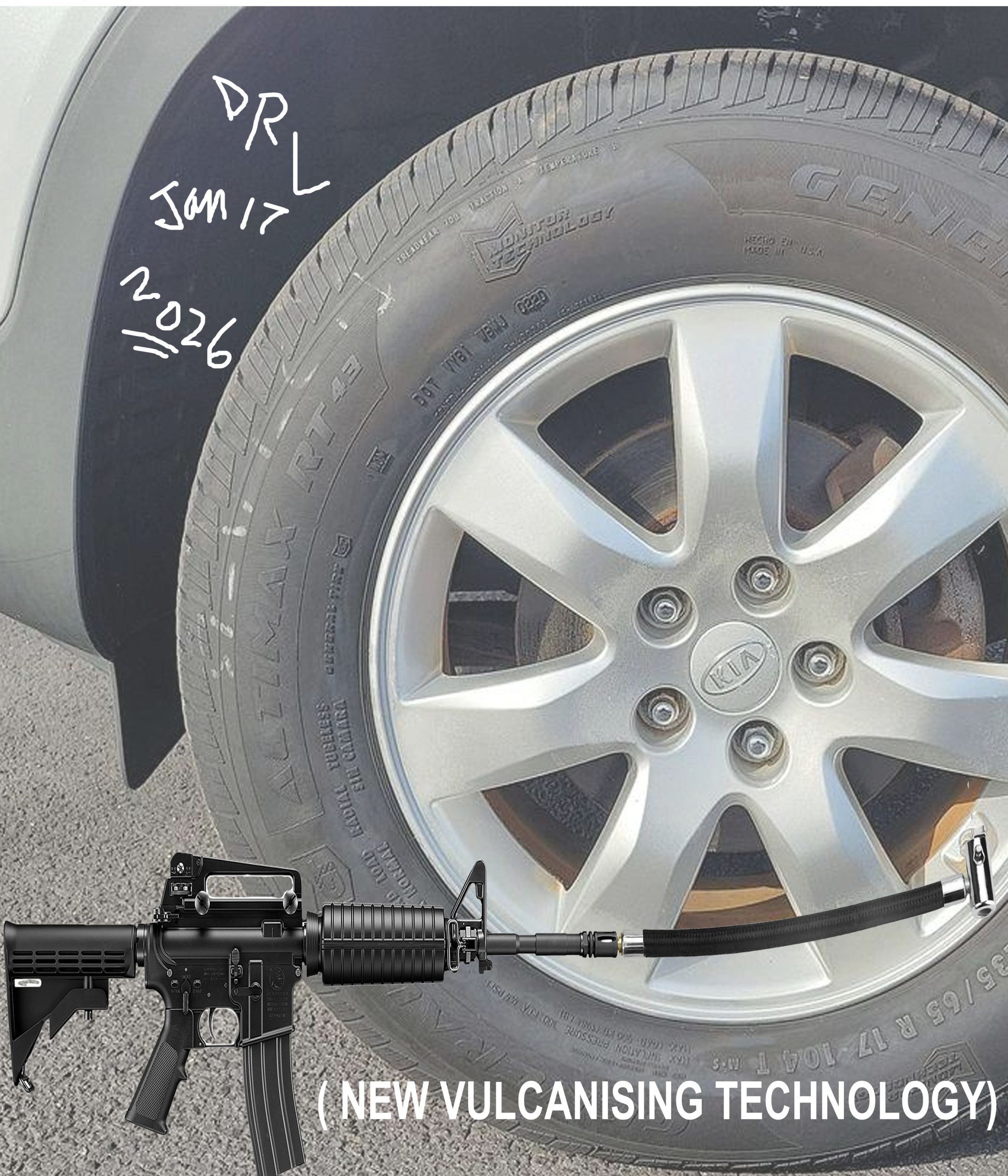
Your children are starving, and you giving away their food to an already fat pussycat.
Jan 17, 2026
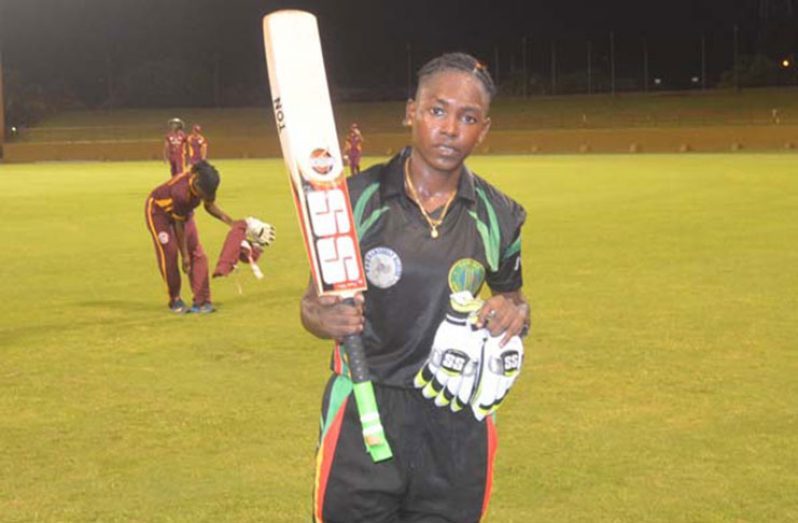
Kaieteur Sports – Guyana skipper Shemaine Campbelle scored an unbeaten 50, while her bowlers continued to deliver exceptionally well as the champs wrapped up a 4-wicket win over Jamaica last...Jan 18, 2026
(Kaieteur News) – There is a curious focus by the world’s media. It picks the bright, the flamboyant, the scandalous. But when bombs fall in the south, when the night sky over Caracas is torn by explosions and the cries of the wounded, too often there is only a hushed mention — a paragraph,...Jan 18, 2026
By Sir Ronald Sanders (Kaieteur News) – When powerful states act, small states are tempted to personalize the action. When small states fragment, powerful states do not need to explain themselves. That is the lesson CARICOM should draw from the recent U.S. decision to impose partial visa...Jan 18, 2026
Hard Truths by GHK Lall (Kaieteur News) – I think it is. Since the arrival of oil, Guyana has crawled on its belly, instead of soaring like an oil producer closing in on a million barrels a day. The 2 percent money made a mush of the minds of leaders. All they can think of is […]Freedom of speech is our core value at Kaieteur News. If the letter/e-mail you sent was not published, and you believe that its contents were not libellous, let us know, please contact us by phone or email.
Feel free to send us your comments and/or criticisms.
Contact: 624-6456; 225-8452; 225-8458; 225-8463; 225-8465; 225-8473 or 225-8491.
Or by Email: glennlall2000@gmail.com / kaieteurnews@yahoo.com