Latest update March 13th, 2026 11:54 AM
Jan 12, 2026 Letters
Dear Editor,
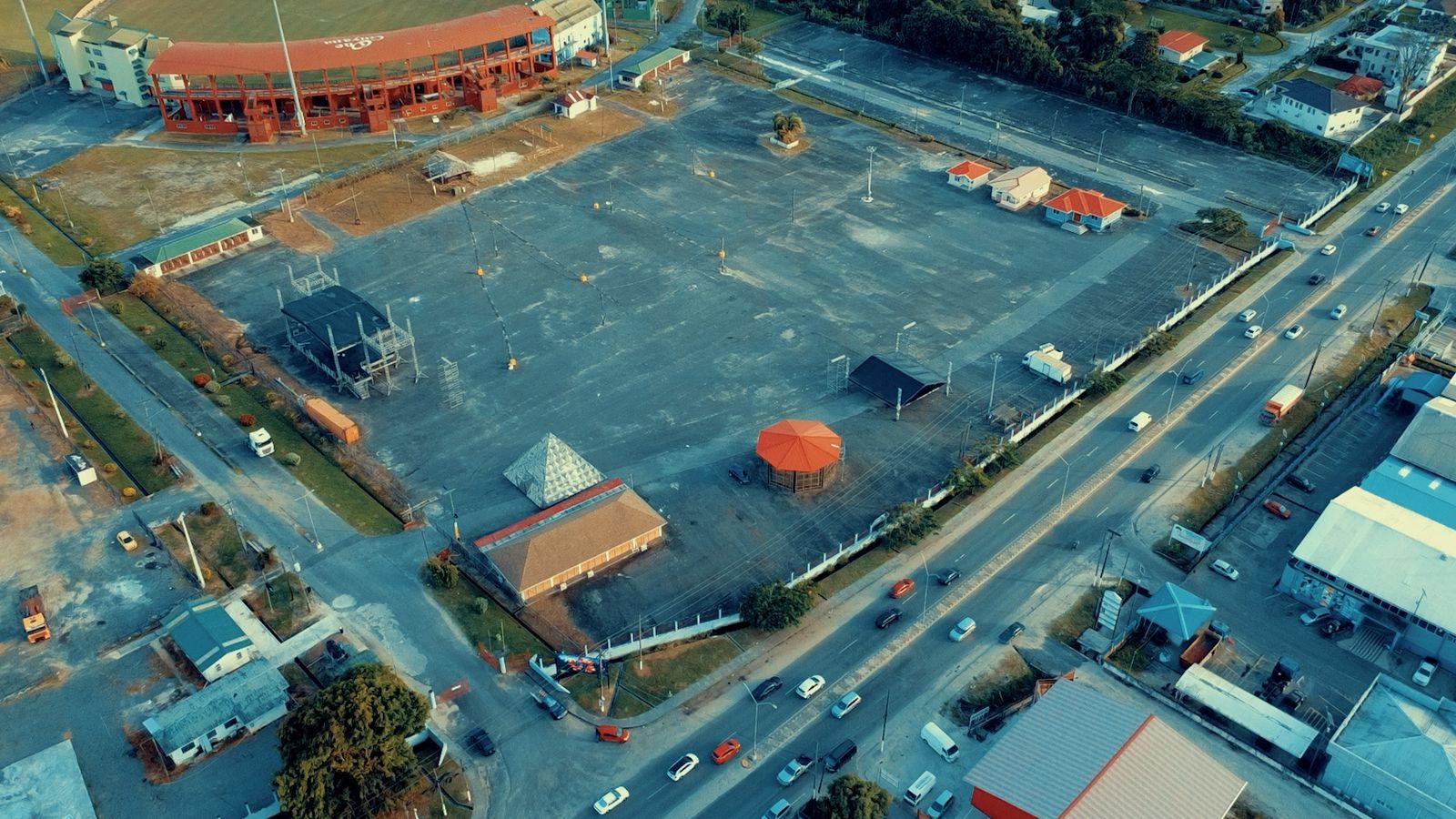
I want to strongly commend the recent initiative taken by the Guyana Government to rehabilitate a number of airstrips in the hinterland regions of Guyana. While I certainly believe that the positive impact on Guyana’s infrastructure is commendable, it is even more imperative to point out that rehabilitation of these airstrips has a direct impact on Guyanese people, business and national development.
Travel by air in the hinterland is necessary. The travel time on roads and rivers is often prohibitive, river travel can be dangerous at certain times of the year, and weather and terrain can make it impossible to reach certain locations by land or river at certain times. Reliable airstrips are not a luxury in Guyana, but a critical means of transportation for many.
Repairing and maintaining hinterland airstrips provides multiple benefits. First and foremost, having airstrips that are in good condition is a boon for safety. A safe, predictable and well-maintained runway helps minimise the risk of accidents during landing and takeoff, which are the most critical parts of any flight. Measures such as flattening the terrain, improving drainage, removing obstacles, strengthening runway edges and generally improving minimum standards help pilots have better control over their planes during critical flight operations, and lead to less wear and tear on aircraft overall. Safer airstrips also allow for better planning of trips, since flights are less likely to be cancelled as a result of substandard runway conditions.
Rehabilitated airstrips can also help reduce the cost of air travel. Poorly-maintained airstrips mean higher costs for operators and airlines, as well as higher risks. Everything from increased aircraft maintenance to potential loss of business caused by reputation-damaging cancellations or flight delays can raise the cost of operations, which then must be passed on to passengers. Better infrastructure should lower these costs in the long term and can make routes more viable for air operators, enabling lower fares. While airfare is also a function of several other variables, improvements to airstrips may be a critical first step to making air travel more affordable for students, workers, families visiting loved ones and patients seeking medical care.
The interior airstrip upgrades can also lead to more frequent visits. Improved infrastructure means that it is easier for teachers, healthcare professionals, technicians and government employees to travel to and from hinterland communities on a regular basis. Service delivery and accountability can be significantly strengthened as a result. In addition, family members who live on the coast will find it easier to visit relatives in the interior when travel is safer and more reliable. An increase in traffic between Guyana’s regions ensures that interior communities are better connected to the rest of the country and helps to ensure that they are not left behind in Guyana’s development.
Economic activity can also be a beneficiary of this type of infrastructure. Access by air is a boon for local small businesses, the tourist industry and for transporting goods that need to move quickly, such as fresh food or time-sensitive supplies. Tourism in the interior, in particular, is reliant on the comfort and confidence of visitors, and those start with safe and well-run entry points. Better airstrips open up possibilities for local employment and business opportunities while also allowing visitors to access the hinterland’s cultural and natural riches.
National resilience is also boosted through the rehabilitation of airstrips in the hinterland. In the case of an emergency—medical evacuation, disaster response, or transportation of urgently needed goods and services, airstrips provide a vital line of response. Repair and maintenance of these airstrips make the country more able to respond quickly and effectively to save lives and livelihoods.
For these reasons, the rehabilitation of hinterland airstrips is a very welcome initiative. It will increase safety, reduce costs, improve access, and enable economic activity. I encourage the Guyana Government to continue with this work, maintain the airstrips on a consistent basis and work with local communities to protect and preserve them, so that these benefits can be enjoyed by future generations.
Respectfully,
Philip Inshanally
Subscribe to get the latest posts sent to your email.
Your children are starving, and you giving away their food to an already fat pussycat.
Mar 13, 2026
Kaieteur Sports – The Petra Organisation, in collaboration with title sponsor Massy Distribution, officially launched the 12th Annual Under-18 Secondary Schools Football Championship on Thursday...Mar 13, 2026
(Kaieteur News) – Only days ago, the country was being reassured that tensions with Venezuela had eased. The President himself suggested that following recent developments in Venezuela there had been a noticeable softening of the rhetoric coming out of Caracas. Well, that diplomatic intermission...Mar 08, 2026
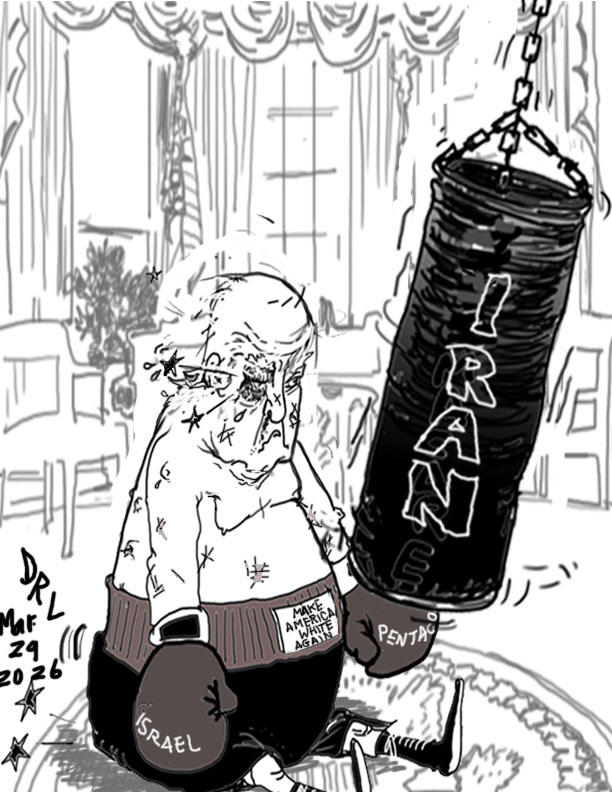
By Sir Ronald Sanders (Kaieteur News) – It is a mistake to believe that the war in Iran and the retaliatory actions in the Gulf are too far away to matter to the Caribbean. The fallout is already reaching the region, pushing up the costs of fuel, freight, and everyday goods across the region....Mar 13, 2026
(Kaieteur News) – I’m getting a better handle on Iran, now cornered and trapped in a war that pummels it from all sides. Air and sea; and with tanks massed at its border for the first steps in a potential ground offensive. American technological power unleashed from many angles, with the...Freedom of speech is our core value at Kaieteur News. If the letter/e-mail you sent was not published, and you believe that its contents were not libellous, let us know, please contact us by phone or email.
Feel free to send us your comments and/or criticisms.
Contact: 624-6456; 225-8452; 225-8458; 225-8463; 225-8465; 225-8473 or 225-8491.
Or by Email: glennlall2000@gmail.com / kaieteurnews@yahoo.com