Latest update January 1st, 2026 12:36 AM

Jan 01, 2026 Features / Columnists, Peeping Tom
(Kaieteur News) – There is a small but telling ritual in democratic politics that rarely makes the textbooks but looms large in practice: the end-of-year press conference. It is not ceremonial in the way of a budget speech or a state opening of parliament. It is looser, messier, and for that very reason more revealing.
For decades, political leaders in mature and emerging democracies alike have stood before skeptical reporters at year’s end to account for what was done, what failed, and what lies ahead. The tradition is rooted less in pageantry than in necessity—the need for power to submit itself, at least briefly, to unscripted questioning.
The modern version of this ritual took shape in the mid-twentieth century, as mass media expanded and politics learned to coexist with the glare of persistent scrutiny. Franklin Roosevelt’s press conferences, though carefully managed, established the idea that the head of government owed reporters regular access.
Later, leaders like de Gaulle, Nixon, and Thatcher—each in their own way suspicious of the press—nonetheless understood the value of an annual reckoning. Even authoritarian-leaning governments learned that refusing the press outright only fueled speculation and distrust. The end-of-year press conference became a pressure valve: a chance to project confidence, to frame the narrative, and to signal that the leader was not afraid of questions.
In smaller economies and newer democracies, the tradition took on added weight. Where institutions are still consolidating and political power can feel concentrated, regular press engagements serve as a proxy for deeper accountability. An end-of-year press conference tells citizens that their questions—filtered through the press—are legitimate. It reassures investors, civil society, and ordinary voters that the government is prepared to defend its record in real time, without the comfort of scripted applause.
That is why one of the more disappointing notes as 2025 drew to a close in Guyana was the absence of such an engagement by the Head of State with the mainstream media. This was not a year marked by economic embarrassment or political retreat. On the contrary, the government has boasted—often and loudly—about the performance of the economy, growth across multiple sectors, and ambitious plans for the future.
In such circumstances, history suggests not caution but confidence. Most politicians governing an economy like ours, flush with positive indicators and forward-looking projections, would be eager to celebrate their achievements before the nation’s press corps.
Yet that moment never came. Instead of a traditional end-of-year press conference, the President opted for what was presented as an interview with a select group of individuals. The setting was controlled, the tone deferential, and the questions—if one is being charitable—predictable. This was not accountability as the term is commonly understood in modern democratic practice. It was not the rough-and-tumble exchange that forces leaders to clarify contradictions, defend choices, or acknowledge missteps. It was a curated exercise, closer to a promotional segment than a public reckoning.
There is something unsettling about this preference for selective engagement, especially when it becomes habitual. Governments that are confident in their record do not usually fear the mainstream press; they manage it. They show up, absorb the uncomfortable questions, correct the record where necessary, and move on. Avoidance, by contrast, breeds suspicion. It suggests either a discomfort with scrutiny or a belief that scrutiny itself is illegitimate unless tightly controlled. Neither interpretation reflects well on a government that insists it has little to hide.
The absence of regular, open press conferences also diminishes the role of the media as an intermediary between power and the public. Mainstream journalists, for all their flaws, represent a diversity of audiences and concerns. To bypass them in favor of a hand-picked few is to narrow the national conversation and to erode a long-standing democratic convention.
Over time, this practice normalises opacity and lowers expectations. Citizens begin to accept that access to power is a privilege granted selectively, not a right exercised routinely.
As 2026 approaches, one hopes this silence is not a permanent feature but a temporary misjudgment. Traditions matter in politics precisely because they shape behavior and expectations. An end-of-year press conference is not a threat to authority; it is a demonstration of it, properly understood. It says that the President is prepared to stand before the nation, through its mainstream media, and answer for the year that was.
If the coming year brings a return to regular, open press conferences—real ones, not carefully stage-managed substitutes—it will signal a welcome recommitment to transparency and democratic confidence. Guyana’s progress, by the government’s own account, should be strong enough to withstand a few hard questions. In a modern state, that is not too much to ask.
(The views expressed in this article are those of the author and do not necessarily reflect the opinions of this newspaper.)
Subscribe to get the latest posts sent to your email.
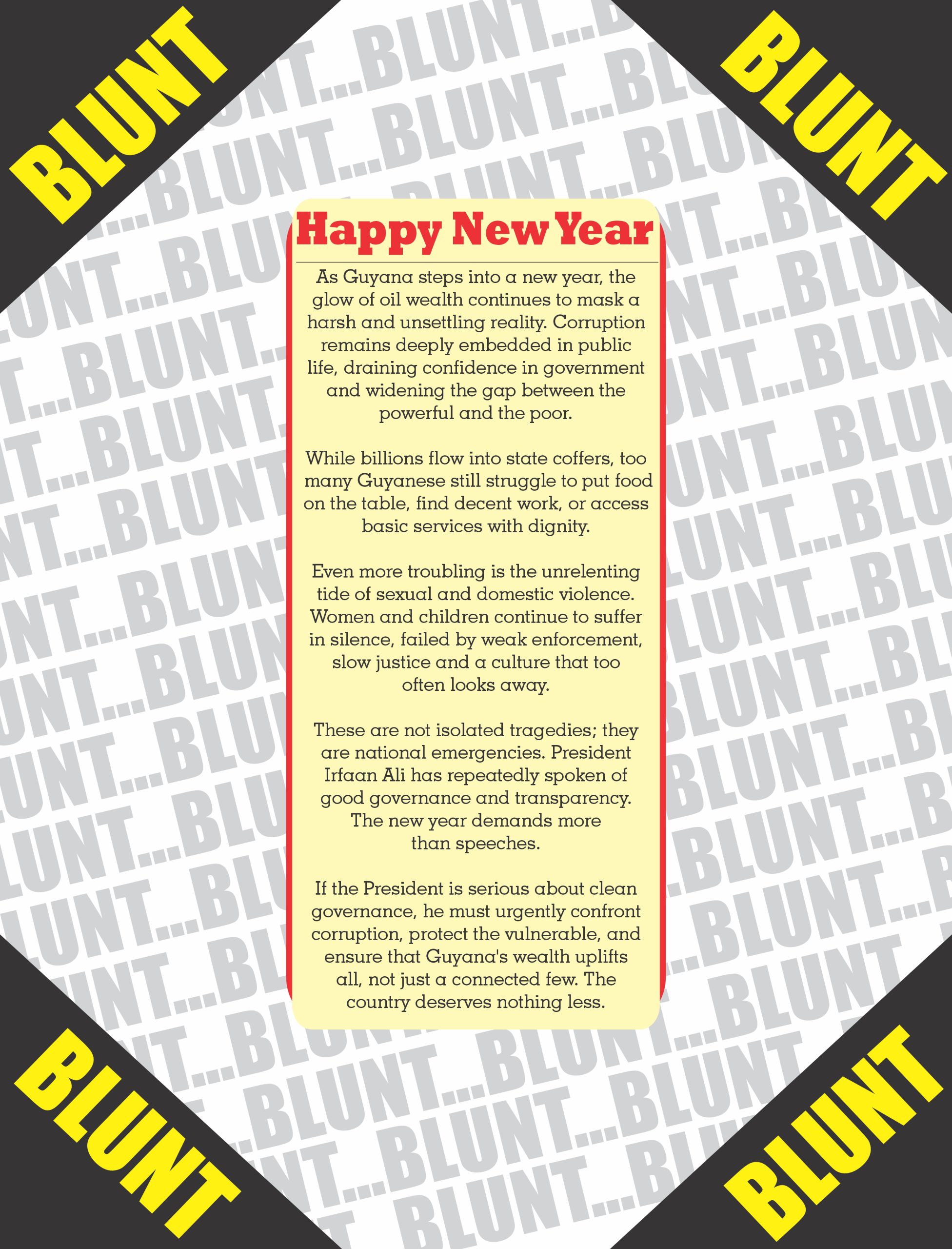
Your children are starving, and you giving away their food to an already fat pussycat.
Jan 01, 2026
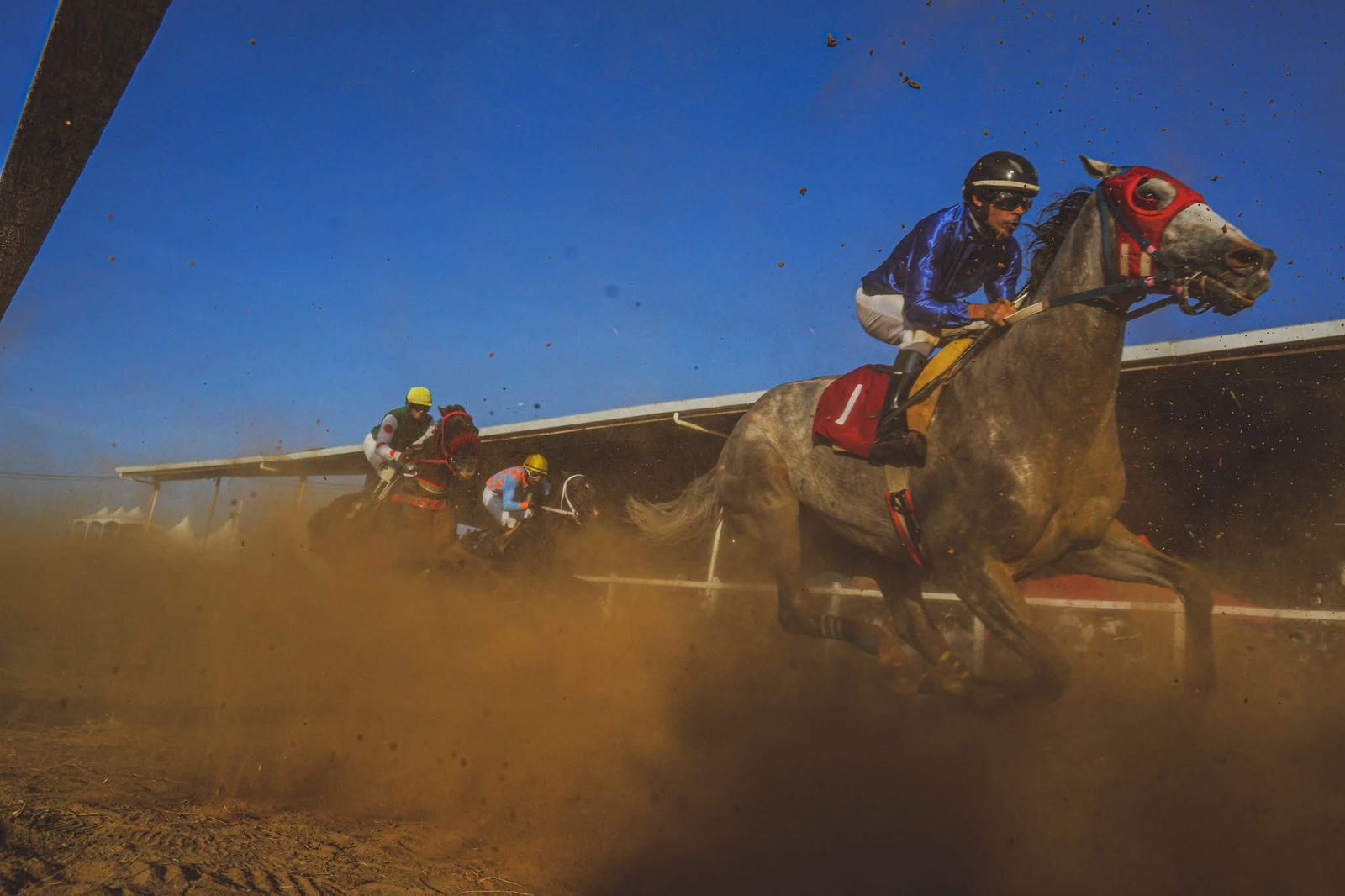
Kaieteur Sports – Guyana’s horseracing season explodes into life on January 4 as two of the country’s most dominant Thoroughbreds, both undefeated, both champions, are set to collide in what...Jan 01, 2026
(Kaieteur News) – There is a small but telling ritual in democratic politics that rarely makes the textbooks but looms large in practice: the end-of-year press conference. It is not ceremonial in the way of a budget speech or a state opening of parliament. It is looser, messier, and for that...Dec 21, 2025
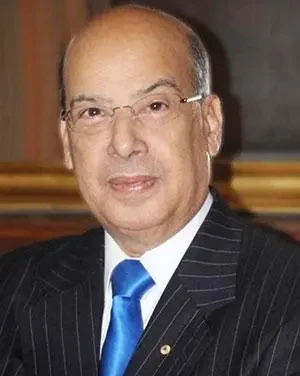
By Sir Ronald Sanders (Kaieteur News) – The recent proclamation issued by the Government of the United States, announcing its intention to suspend the entry of nationals of Antigua and Barbuda and the Commonwealth of Dominica, effective at 12:01 a.m. on 1 January 2026, has understandably caused...Dec 31, 2025
(Kaieteur News) – The reaction from the PPP Government was immediate and sharp. Objection! Objection to the 2025 US International Narcotics Control Strategy Report (INCSR) on Guyana. Objection to the INCSR about pervasive corruption. Paralyzing corruption. Forget about corruption with...Freedom of speech is our core value at Kaieteur News. If the letter/e-mail you sent was not published, and you believe that its contents were not libellous, let us know, please contact us by phone or email.
Feel free to send us your comments and/or criticisms.
Contact: 624-6456; 225-8452; 225-8458; 225-8463; 225-8465; 225-8473 or 225-8491.
Or by Email: glennlall2000@gmail.com / kaieteurnews@yahoo.com