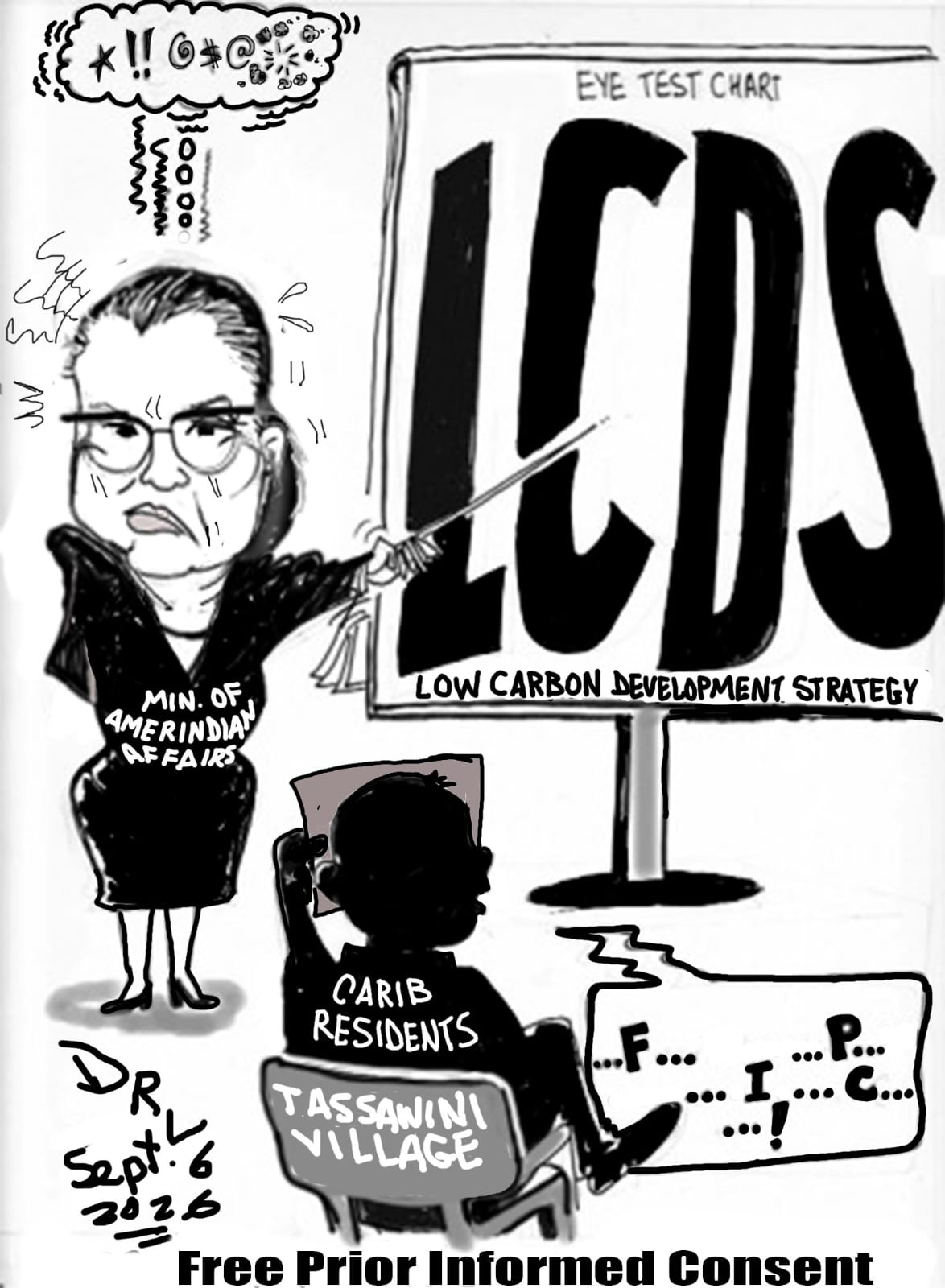
Latest update September 6th, 2026 7:34 PM


“Integrating Trade Facilitation into Climate Strategies”
Dear Editor,
In the face of an escalating global climate disaster, global supply chains play a critical role, accounting for more than 60 percent of overall greenhouse gas (GHG) emissions from international trade in fossil fuels. As climate change threatens to disrupt these supply chains and negatively impact international commerce—including increasing trade costs—the need to address the climate crisis becomes more crucial. Climate adaptation and mitigation are two complementary approaches used to tackle these challenges. The Intergovernmental Panel on Climate Change (IPCC) defines climate mitigation as man-made interventions to reduce the sources or enhance the sinks of GHGs, and climate adaptation as the modification of natural or human systems in response to actual or anticipated climate stimuli or their effects, aimed at minimizing harm or leveraging favorable circumstances.
Beyond the adaptation and mitigation efforts pursued by each country under its Paris Agreement-based Nationally Determined Contributions (NDCs) to achieve their targets and bolster their responses to the climate threat, trade facilitation, along with its associated protocols and regulations, is vital for promoting sustainable economic growth and development, enhancing trade competitiveness, and serving as a gateway into regional and global value chains. The World Trade Organization (WTO) defines trade facilitation as the streamlining, harmonising, and modernising of export and import procedures to make international trade more efficient and effective. Trade facilitation not only accelerates the transfer of goods across borders, enhancing accessibility, cost efficiency, and firms’ competitiveness, but it also requires attention to the linkage between climate change and trade facilitation to achieve alignment and sustainability.
To gain a better understanding of how concerted action may result in equitable growth, resilience, and environmental sustainability, this SRC Trading Thoughts seeks to demonstrate the nexus between trade facilitation and climate change.
Green Trade Facilitation Policies
To maintain strong economies and supply chains and contribute to climate objectives, green trade is essential. Green trade facilitates businesses in conducting environmentally friendly transactions, which may include trading in renewable energy and energy efficiency markets. By incorporating environmental provisions into trade agreements, alliances, and policies, green trade facilitation can reduce the negative environmental impacts of global trade. UNCTAD estimates that the maritime transport sector accounts for 2.8 percent of all global GHG emissions. Achieving a net-zero carbon footprint in the transportation process can be attained by promoting environmentally friendly practices such as carbon-neutral shipping using non-plastics and bulk packing, as well as energy-efficient logistics. Prominent logistics companies like the US-based United Postal Service (UPS) aim to achieve a 12% reduction in carbon emissions by 2050. Similarly, FedEx’s GoGreen programme aims for carbon neutrality by 2050, and the European courier DPD Group has committed to being carbon-neutral by 2025.
Climate-Resilient Infrastructure and Connectivity
Developing climate-resilient infrastructure and connectivity is critical for extending asset life, safeguarding asset returns, and mitigating the increasing risks and disruptions that supply chains face as a result of climate change. Particularly in the Caribbean, transitioning from climate threats to opportunities involves securing supply chains and diversifying source locations and trade routes against environmental effects like extreme weather events, sea level rise, and natural disasters. Climate technology also plays a key role in creating more resilient operations and strategies. Consequently, commerce can be bolstered by investments in reliable transportation networks, ports, and digital infrastructure, along with adaptation strategies to reduce the risks and disruptions caused by climate change. UNCTAD projects that, without appropriate corrective action, infrastructure including seaports and airports will be more vulnerable to coastal flooding as early as the 2030s.
Sustainable Supply Chains and Circular Economy Practices
According to one survey, approximately 70 percent of supply chain companies have incorporated circular economy principles into their innovation and design processes. Therefore, by encouraging resource efficiency, waste minimization, and the reuse and recycling of materials throughout the manufacturing and distribution processes, trade facilitation frameworks may support sustainable supply chains and circular economy strategies. Additionally, long-term material utilisation allows for the extraction of its full value, potentially unleashing millions of dollars in economic value while generating employment and cutting harmful environmental emissions. This is known as a circular economy. Implementing eco-labeling programmes, responsible sourcing programmes, and green procurement rules that encourage climate-responsible trade practices also requires cooperation and prioritisation among governments, corporations, and civil society.
Technology and Innovation for Climate-Resilient Trade
Leveraging technology and innovation can enhance trade facilitation processes while addressing climate challenges. Digital platforms, blockchain technology, and data analytics can enable real-time monitoring of supply chains, reducing emissions and optimizing resource allocation. Additionally, public-private partnerships and research collaborations can also drive the development of climate-smart technologies, such as renewable energy-powered transport systems and smart logistics solutions, which can mitigate environmental impacts and enhance trade efficiency.
Capacity Building and Knowledge Sharing
Capacity development and information exchange are essential for promoting best practices in green trade facilitation and climate resilience. International organisations, development agencies, NGO’s and other experts in the relevant field can be engaged to help nations integrate climate issues into their trade policies and goals by providing technical assistance, training programmes, and information-sharing platforms.
Concluding Thoughts
In the face of this climate crisis trade, facilitation must be integrated with climate change adaptation and mitigation to promote resilient and sustainable economic growth in light of the climate crisis. A more sustainable and inclusive future may be achieved by enabling synergies between trade facilitation and climate action. Green trade practices, investments in climate-resilient infrastructure, the promotion of sustainable supply chains, the use of technology and green innovation, and the encouragement of capacity building and information exchange may all help to accomplish these synergies.
Regards,
Kamisha Redhead
Share this:

Discover more from Kaieteur News
Subscribe to get the latest posts sent to your email.
Similar Articles
Website Hits

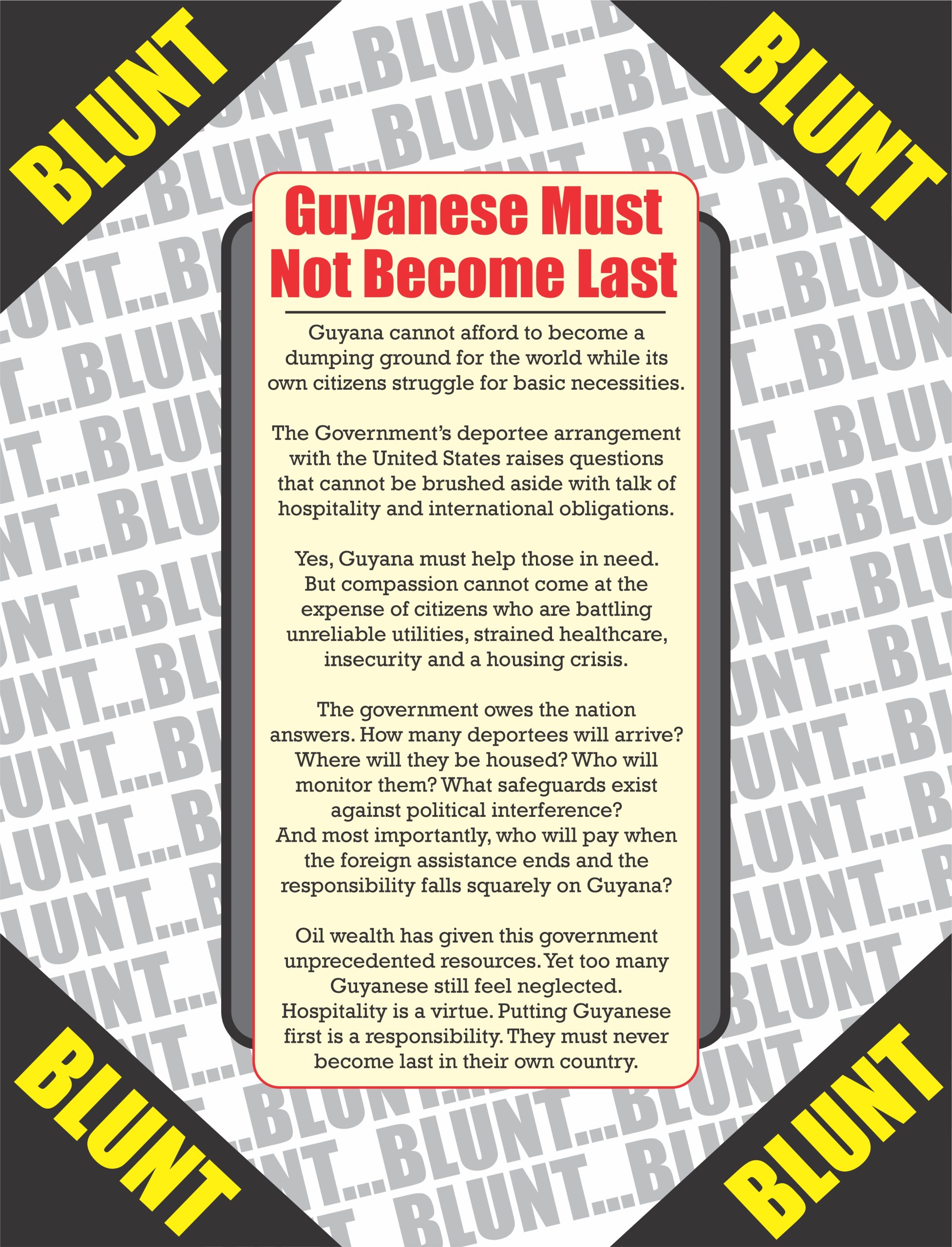
Blunt of the day
Sports

Features/Columnists

Sir. Ronald Sanders

The GHK Lall Column

Weekend Cartoon