Latest update September 21st, 2026 2:51 PM


Latest News
- Three killed in Baramita clash
- Defense accuses Police of misrepresenting court testimony, Magistrate says court unfazed by media
- Mohamed alleges political hand behind review of Justice Persaud’s U.S. visa
- ‘Stop blaming ‘sanctity of contract’ for keeping 2016 oil deal – Chris Ram tells Pres. Ali
- Iran and U.S. trade threats after Houthi attacks escalate regional conflict
CARICOM heads to consider dismantling marijuana prohibition
To decriminalise, or not to discriminalise, or other.
That’s the task of Caribbean Community (CARICOM) Heads of Government who have placed the marijuana issue high on the agenda of its Thirty-Ninth Regular Meeting in Jamaica, on 4-6 July 2017, and will consider the Report of the Regional Marijuana Commission (RMC).
The people of the Community look forward to a decision, one way or another.
The benefits/advantages/disadvantages have been thoroughly ventilated over the course of the last four years when this journey began with the decision of the Heads at their Thirty-Fifth Regular Meeting in Antigua and Barbuda, in 2014, according to CARICOM in an editorial.
“That meeting decided to establish a RMC. It decided also that the mandate of the RMC was to conduct a rigorous enquiry into the social, economic, health and legal issues surrounding marijuana use in the Caribbean and to determine whether there should be a change in the current drug classification of marijuana, thereby making the drug more accessible for all types of usage (religious, recreational, medical and research). The Terms of Reference of the RMC also required it to recommend the legal and administrative conditions that should apply, if there is to be a re-classification.”
This Thirty-Ninth meeting will receive the recommendations of that enquiry and, in fact, will decide on the regional position on the way forward.
“This, in light of the national positions taken by several members, including Antigua and Barbuda, Belize, and Jamaica which have already initiated action on the issue; and those states where decisions have already been taken to engage in law reform, or those that have already done.”
The journey has been a rigorous one. It included the establishment of a ten-member commission of experts in the scientific, medical, legal and social science fields, as well as a representative each from the religious community and youth. Its methodology included examining and analysing the scientific data and engaging with a wide cross section of the people. The latter is in keeping with the Community’s objective of inclusivity as it seeks to strengthen its social resilience, articulated in its Community Strategic Plan (2015-2019).
Such engagement in nine countries was structured in two parts: Town Hall Meetings and in-depth discussion with focus groups which included representatives from the National Drug Councils, or their equivalents, law enforcement personnel, youth organisations (in and out of school) and organisations and entities that work with them, faith–based organisations and Special Interest Groups such as researchers, medical practitioners, Non-Government Organizations, practitioners of alternative medicine and advocates for medicinal use of marijuana.
In addition, further undertakings were made to capture the views, perspectives and experiences of adolescents and youth through a social media survey as well as the review of household and secondary school surveys.
These consultations succeeded in harnessing a wide variety of perspectives.
According to a status report released in February, these perspectives included personal testimonies from persons who have used marijuana, (either at home or abroad); persons who had been arrested for small amounts of the substance, as well as those who argued for the legal permission to do so for medical and other reasons.
There were many commonalities in the discourse across the region. Many persons had vital information and strong opinions about marijuana and its use, including strong lobbying for use for medical reasons from a group of persons living with disabilities and in wheelchairs.
Just as many had important questions and wanted more information and education and are looking to the Commission’s Report to provide those answers. The need for more public education and a more coherent regional approach has also been raised in those states where decisions have already been taken to engage in law reform on marijuana, or which have already done so.
The Community says that it looks forward to the findings and recommendations of the RCM and the decision of its Heads of Government.
Share this:

Discover more from Kaieteur News
Subscribe to get the latest posts sent to your email.
Similar Articles
Website Hits

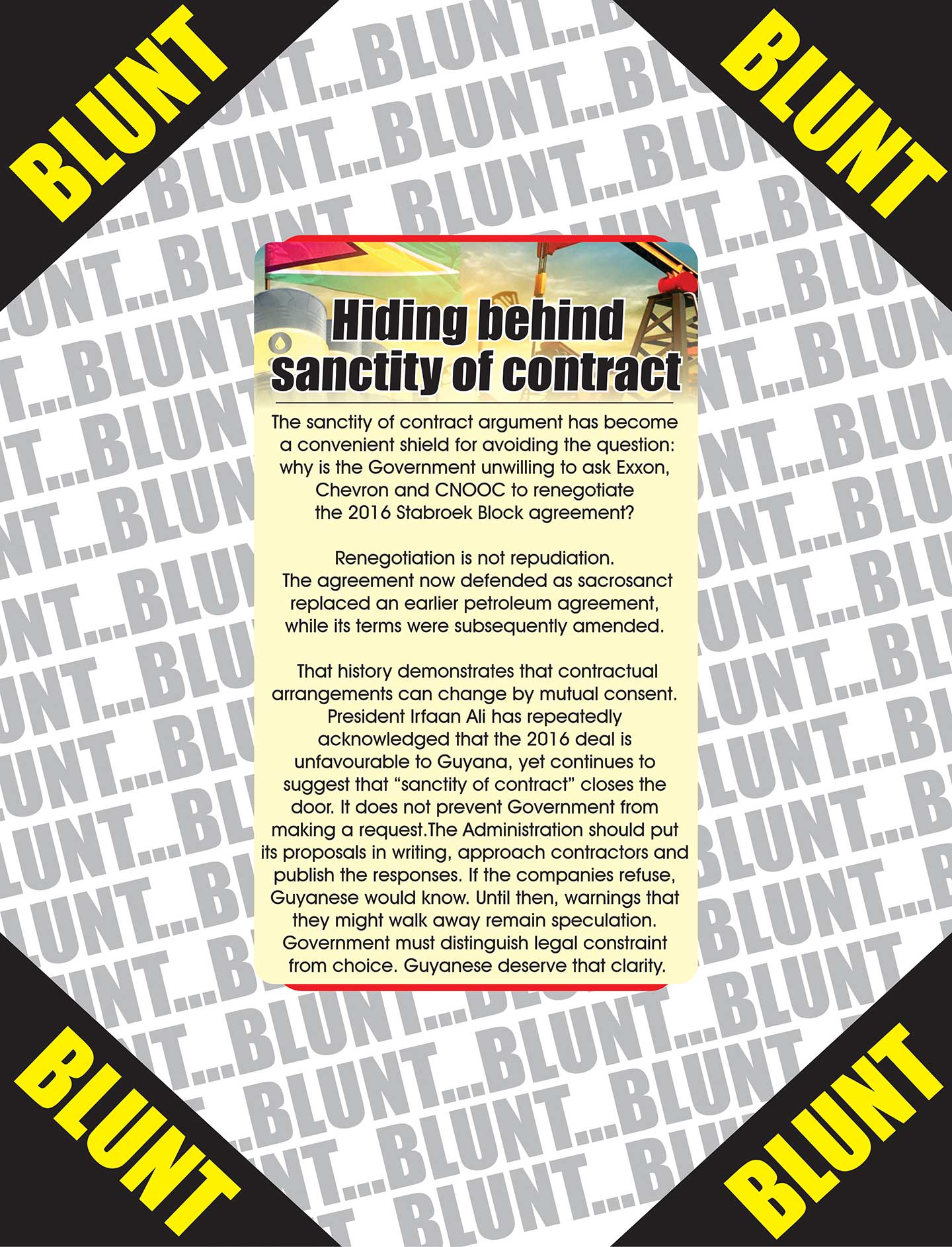
Blunt of the day
Sports

Features/Columnists

Sir. Ronald Sanders

The GHK Lall Column
Weekend Cartoon