Latest update August 2nd, 2026 12:45 AM



Latest News
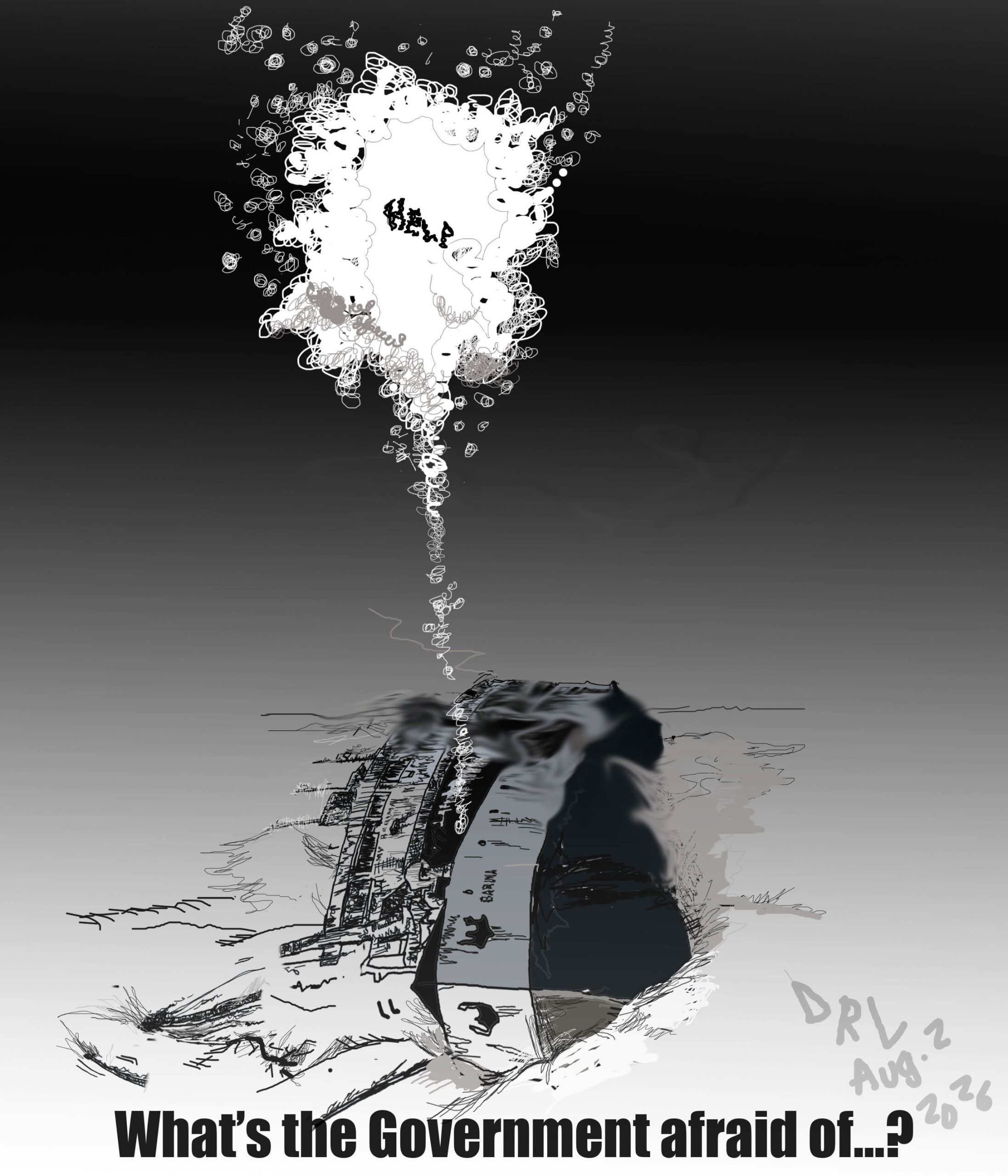
- Govt. backs down on Barima memorial plan
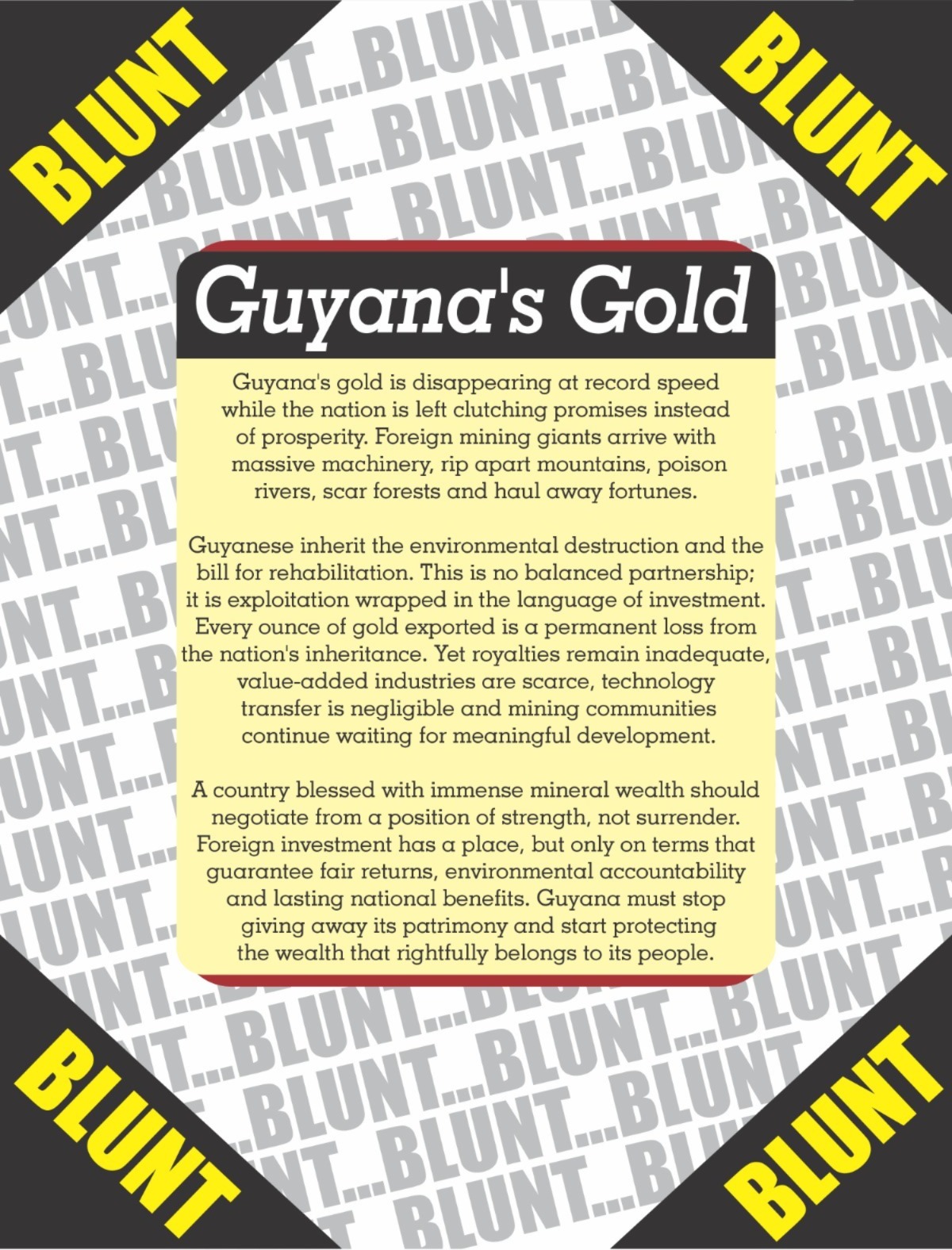
- ‘Billions flow overseas while Guyana gets nothing’ – Glenn Lall says in fresh broadside against gold deals
- “Bones, not concrete’: Families of Barima victims demand their dead
- Israeli strikes kill four across Gaza, destroy medical supply warehouse
- Oil’s curse is hanging over the World’s fastest-growing economy – Bloomberg report
Will U.S. Layoffs Have a Local Impact? Guyana’s Vulnerability in the Age of AI
Karen Abrams – MBA, AA Doctoral Candidate

Karen Abrams, MBA, AA, Doctoral Candidate
Kaieteur News – This year, I’ve watched U.S. headlines with growing unease, more than 806,000 jobs have been cut by August 2025, more than all of 2024, with layoffs up 75 percent year over year. Retail losses up 249 percent, nonprofits 413 percent, government workforce cuts of 292,000, and nearly 90,000 tech jobs erased, a 36 percent jump from last year. Even ConocoPhillips, an oil giant, is laying off a quarter of their staff by the end of the year.
At first glance, these numbers may appear distant, but for Guyana, these numbers could portend something dire. Over US$500 million in remittances continue to flow into Guyana annually. That money keeps families fed, children in school, and roofs over heads, it isn’t discretionary. A layoff in New York or Florida could be a lifeline cut in Guyana, resulting in a silent tightening in our economy where painful realities of poverty are obscured by the strong GDP numbers.
Cost-cutting and weaker consumer demands are the stated reasons for much of the layoffs in the US, but technology, especially artificial intelligence, is a growing specter. A World Economic Forum survey shows 41 percent of companies globally expect to reduce staff over the next five years due to AI. Firms like Oracle, CNN, Dropbox, and Block have already cited AI in their restructuring. Amazon’s CEO hinted that generative AI will allow “fewer people” to do jobs currently held by employees.
The New York Fed; in a blog post based on their August 2025 Regional Business Survey for the New York-Northern New Jersey region, notes that AI hasn’t caused mass job losses yet, instead, retraining seems to be the norm, but warns the trend could change as firms embed AI more deeply into operations. Essentially, the layoffs may still be building.
If the steady income of remittances for thousands of families is under threat, it would obviously result in less local spending, less demand for goods and services, more local business closures, increased social strain. Additionally, U.S. companies may divert capital into AI and automation, shifting away from expansion and international ventures. That could stall Guyana’s non-oil growth ambitions; whether in tourism, agriculture, or tech. Oil isn’t a shield, either. Even U.S. oil industries are cutting staff amid mediocre prices so just because we have reserves doesn’t mean we’re immune.
Guyana’s oil revenues can still be a welcome cushion against the bruises caused by a US economic tightening if our government extends social protections beyond one-off cash grants. What Guyana needs is an expansion of a structured, predictable social protection system, which includes programs like unemployment insurance, child allowances, and targeted subsidies that extends well beyond emergencies.
When governments provide sustained social support, households spend that money on essentials, food, transport, school fees, healthcare. That spending ripples through the economy, benefiting shopkeepers, service providers, farmers.
In contexts like Ethiopia’s safety net program, for every US$1 transferred, the local economy gains between US$1.08 and US$1.84, thanks to the multiplier effect which becomes real economic stimulus.
The World Bank, in a 2020 report titled “A Pivotal Moment For Guyana…” calls our social safety net “rudimentary and poorly targeted,” urging reforms before scaling up assistance. The IMF notes that a 1 percent boost in non-oil GDP through public investment yields a 0.5 percent overall growth Whether it’s social transfers or public works, properly designed and financed support circulates throughout the economy, stimulating demand, creating stability, and building resilience.
With remittances likely to shrink in the future, we cannot afford gaps in support that leave families exposed and local economies unstable. Sustainable social protection can cushion the blow, preserve spending, and keep our economy moving even when external shocks strike. If the United States is laying off workers and betting on AI to boost efficiency, we must respond by anchoring our own resilience.
Share this:

Discover more from Kaieteur News
Subscribe to get the latest posts sent to your email.
Similar Articles

Blunt of the day
Sports

Features/Columnists

Sir. Ronald Sanders

The GHK Lall Column

Weekend Cartoon