Latest update March 9th, 2026 12:30 AM


Latest News
- Exxon’s profits soar while Guyanese struggle with rising cost of living
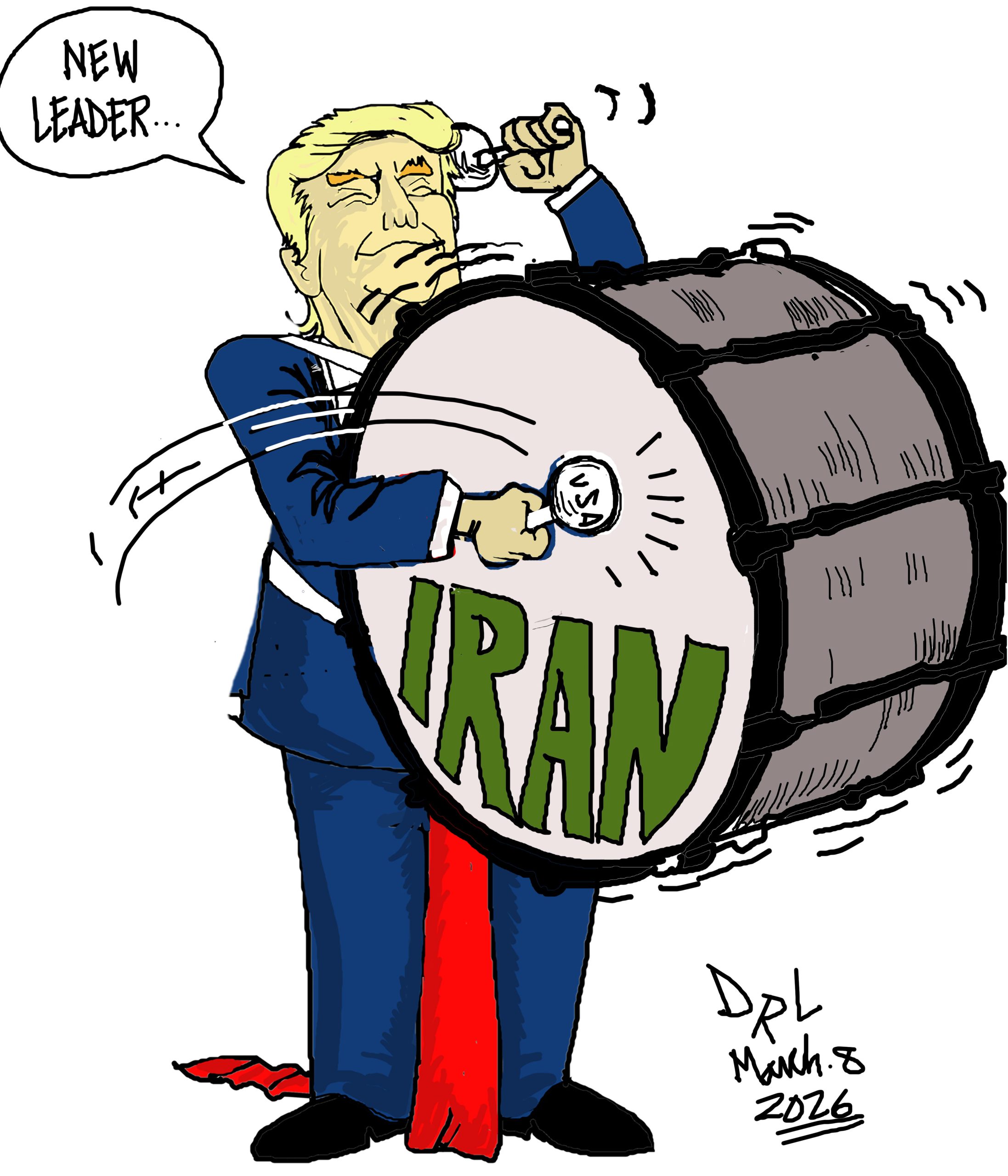
- Iran defies Trump, names Khamenei’s son as new supreme leader
- Iran conflict could benefit Caribbean commodity exporters, hurt tourism economies – CDB
- Search ends in tragedy as Pomeroon toddler found dead in river
- Man kills mother of six, survives suicide attempt
Reclaim truth or risk ‘hell of unfreedom’ in AI era
─ UG Vice Chancellor tells journalists
Kaieteur News- Vice Chancellor of the University of Guyana, Professor Paloma Mohamed Martin, has warned that journalism is at risk of losing its democratic function if media professionals fail to confront the growing influence of fake news, synthetic facts, and unchecked technological control.
Her remarks came during her keynote address at the opening of the 2025 Caribbean Media Summit, held Friday in the George Walcott Lecture Theatre (GWLT), University of Guyana’s Turkeyen Campus.

President of the Media Institute of the Caribbean Kiran Maharaj
Hosted by the Media Institute of the Caribbean (MIC) in partnership with the University of Guyana, the two-day summit is themed “Evolving Media Business Models in Turbulent Times: AI, Journalism, and the Future.” It convened journalists, academics, and industry leaders from across the region to explore the intersection of journalism, technology, and sustainability.
In her address, Professor Martin emphasised the urgent need for traditional media outlets to reinvent themselves amid a rapidly evolving digital information landscape dominated by artificial intelligence (AI) and social media.
“Traditional news outlets must leverage their unique strengths or change radically to survive and stay relevant,” she told participants. “The triangle of trust and credibility that bona fide news should bring is increasingly tenuous in the face of fake news, synthetic facts, disconnection from live reality in favour of virtual reality, and the concentration of globally powerful and pervasive channels in the hands of a powerful few.”

President of the Guyana Press Association (GPA) Nazima Raghubir
Martin highlighted the dire consequences that could arise if journalists fail to act accordingly. “The work that you do matters. The way you do it matters even more. And what you do at this summit and elsewhere will ensure the world we know continues or whether we will live in the hell of unfreedom for a long, long time,” she cautioned.
She urged media houses to embrace new technologies and use them responsibly and ethically. “Media houses must become deeply engaged in mastering new technologies and learn to manipulate and deploy such tools to gather and disseminate media content responsibly, accurately, widely, and with collective fidelity to efficiency, speed and present realities,” Martin said.
Martin pointed out changes in how people consume news and urged journalists to rethink traditional content formats. “Long-form reporting may no longer align with the evolving preferences of current and future consumers. What is needed is the adoption of QUUC—Quick, Understandable, Ubiquitous, and Comprehensive,” she explained. “Those journalists and media houses capable of achieving this balance are likely to succeed in the evolving media landscape.”

Vice Chancellor of the University of Guyana Professor Paloma Mohamed Martin
Echoing Martin’s concerns, Kiran Maharaj, President of the Media Institute of the Caribbean, acknowledged both the promise and threat of AI in modern journalism.
“Artificial intelligence, while offering powerful tools for automation, data analysis, and audience engagement, also brings risks deepening inequities, enabling the spread of misinformation, and threatening the financial viability of independent journalism,” Maharaj said. “Without robust governance, it may erode public trust and the very foundations of our media institutions.”
Describing the summit as a “call to action,” Maharaj reaffirmed MIC’s commitment to promoting ethical, sustainable, and inclusive journalism.
“The Caribbean must continue to tell our stories and amplify our news. We must persevere to serve the public good, even in the most turbulent times,” she stated.
Nazima Raghubir, president of the Guyana Press Association (GPA), also addressed the gathering and highlighted the deep challenges media organizations face amid financial pressures and shifting digital trends.
“These factors have significantly impacted how journalism is practised and how media houses sustain their operations,” she said. “With traditional revenue streams in decline and digital platforms continuously reshaping the landscape, media practitioners and institutions must innovate while maintaining their ethical compass and journalistic integrity.”
Raghubir underscored the need for collaborative strategies and innovation grounded in professional ethics to protect media independence in the region.
Discover more from Kaieteur News
Subscribe to get the latest posts sent to your email.
Similar Articles

THE BLUNT OF THE DAY

Sports

Features/Columnists

Sir. Ronald Sanders

The GHK Lall Column

Weekend Cartoon